Couples may soon be able to legally wed in homes, pubs, beaches and even aboard cruise ships under sweeping reforms to marriage laws in England and Wales, in what the UK government describes as the most significant overhaul of wedding regulations in nearly 200 years.
At present, marriages and civil partnerships are only legally recognised if they take place at approved venues.
According to BBC, the government says the proposed changes are aimed at modernising what it considers outdated marriage laws, making weddings more affordable while giving couples greater flexibility over where they exchange their vows.
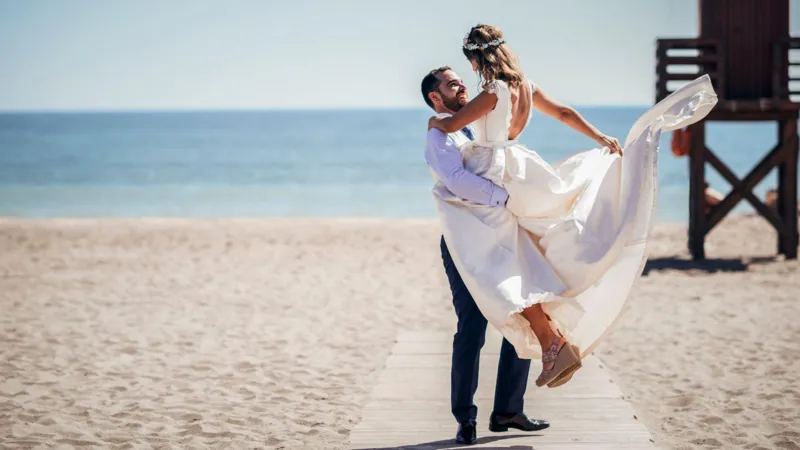
If approved, couples could marry in a wide range of locations, including castles, beaches, hot-air balloons and cruise ships in international waters, provided the venue is authorised by a registered officiant.
However, the reforms would introduce a “dignity framework” designed to prevent ceremonies that could undermine the seriousness of marriage.
Activities “such as skydiving, white-water rafting, rollercoasters or other amusement rides” would “fall short of the standard,” the government said in its consultation document.
But it added, “This would not preclude the inclusion of light-hearted elements such as a reading from Shakespeare, a sing-along to Sweet Caroline or other similar contributions, so long as these remain within the bounds of dignity and do not amount to excessive or inappropriate displays.”
The consultation also proposes that food and drinks, including alcohol, should not be “casually/recreationally consumed during the ceremony.”
In addition, restrictions on religious content during civil ceremonies could be eased, allowing couples to include features such as Bible readings.
The reforms would also recognise legally binding weddings conducted by non-religious belief organisations, including Humanists.
Deputy Prime Minister and Justice Secretary David Lammy said marriage laws in England and Wales had “not kept pace with the social and cultural changes that have shaped modern Britain.
“They say you can’t put a price on love – but too often, the cost of weddings puts this commitment out of reach,” Lammy said.
“That’s why I’m reforming archaic rules, so couples have more freedom to say ‘I do’ on their own terms, while strengthening safeguards to protect the meaning and permanence of marriage.”
Under the proposals, the essential legal requirements for a civil marriage would be the couple’s consent and the signing of the marriage documents in the presence of an authorised officiant.
The government will announce the final details of the reforms after the consultation closes on September 24.
Any changes would require new legislation to be passed by Parliament, meaning the new rules are unlikely to take effect before next year.
According to a report released earlier this year by Hitched, the average cost of a wedding in the UK has risen to £21,990, with ceremonies in London and south-east England being the most expensive.
Hobbs of Henley, which hosts wedding receptions on boats along the River Thames, welcomed the proposals, saying its business had “declined for the last twenty years as organisers have wanted a one-stop shop venue”.
England and Wales legalised outdoor weddings in 2021, although ceremonies must still be held at licensed venues.
Scotland already allows civil and religious weddings to take place in almost any location, enabling couples to marry in remote glens, ancient castles and uninhabited islands.
In Northern Ireland, religious weddings can be held without location restrictions, while civil ceremonies remain limited to approved venues.
The UK government pledged last year to reform marriage laws in England and Wales and is now consulting on proposals based on recommendations made by the Law Commission in 2022.
In its 2022 report, the Law Commission concluded that marriage laws, which date back to the 18th and 19th centuries, were “complicated, inefficient, unfair and needlessly restrictive”.