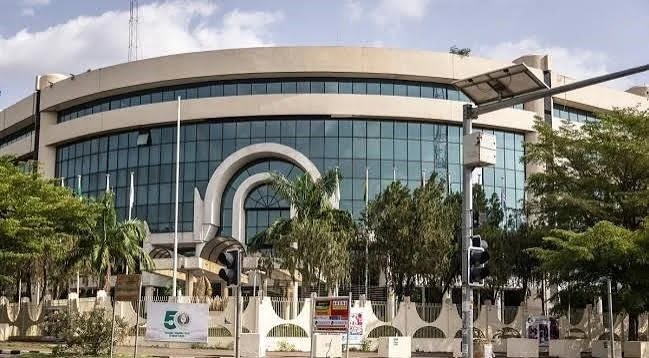
The 95th Ordinary Session of the Economic Community of West African States, Council of Ministers concluded on Friday, December 12, after three days of intensive discussions on regional security, political stability, and economic integration.
The meeting, held from December 10 to 12 in Abuja, was chaired by Sierra Leone’s Minister of Foreign Affairs and International Cooperation, Timothy Kabba.
Ministers reviewed pressing issues including violent extremism in the Sahel, circulation of small arms, transnational organized crime, maritime insecurity in the Gulf of Guinea, and unconstitutional changes of government.
In his closing remarks, Kabba highlighted the council’s commitment to democratic governance across the region.
“During our discussions, we confronted with precision the key issues shaping our region’s trajectory. We examined security threats that jeopardize stability, including violent extremism, the proliferation of small arms, and transnational crime,” he said.
Kabba also emphasized the importance of political stability.
“We reflected deeply on the political situations in some member states and their impacts on democratic governance.
Sierra Leone remains fully committed to ECOWAS’s vision of a region where democracy, constitutional order, and the rule of law are non-negotiable principles,” he added.
Economic integration featured prominently in the discussions, with ministers urging the acceleration of key initiatives such as the ECOWAS single currency, free movement of persons, and the Customs Union.
Kabba noted that global economic uncertainties make it imperative for West African states to strengthen intra-regional trade and reduce structural vulnerabilities.
The session also addressed humanitarian and climate-related challenges, including food insecurity, displacement, health emergencies, and climate shocks.
“Whether addressing food insecurity, displacement, epidemics, or natural disasters, we must adopt a coordinated and proactive approach,” Kabba stressed.
At the close of the session, the council developed recommendations to be forwarded to the ECOWAS Authority of Heads of State and Government.
“It is now our duty to maintain the momentum by implementing agreed decisions, coordinating among our national and regional institutions, and keeping communication open as we face new challenges,” Kabba said.
West Africa continues to grapple with political instability, with Mali, Niger, and Burkina Faso under military-led administrations and Guinea-Bissau recently joining the bloc following a military intervention.
An attempted coup in the Republic of Benin was also recently foiled, underscoring the fragility of democracy in the region.