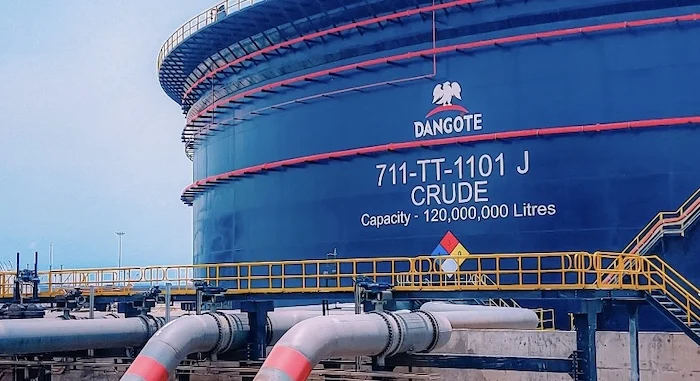
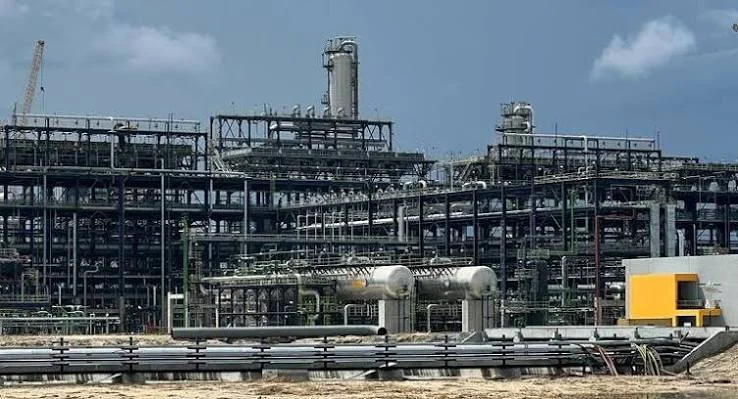
The Dangote Petroleum Refinery has increased its Premium Motor Spirit gantry price by ₦101 per litre, pushing the ex-depot rate from ₦774 to ₦875 per litre. The move has intensified concerns over potential nationwide fuel price hikes.
A senior refinery official confirmed the adjustment to The PUNCH on Monday, explaining that the revision was prompted by recent swings in global crude oil prices.
“Yes, the price has been reviewed. The new gantry price is now N875 per litre from N774. The review became necessary due to changes in global crude fundamentals and replacement costs,” the official said.
Verification on petroleumprice.ng indicated that the updated price is already in effect, suggesting a wider realignment in downstream petroleum pricing standards.
The increase followed the refinery’s suspension of petrol loading, which began at midnight on March 2, 2026, after international crude oil prices jumped past the $80 per barrel mark overnight.
Industry sources confirmed that PMS loading ceased at exactly midnight, halting product offloading and the issuance of Proforma Invoices, effectively pausing new petrol transactions. Diesel, or Automotive Gas Oil, was unaffected and continued normal loading operations.
The refinery’s action sparked reactions across the downstream sector, with several private depot operators halting petrol sales during Monday’s trading.
“Several depot owners suspended PMS sales because of the crude rally. The market is already factoring in risk premiums. Nobody wants to sell below replacement cost,” a downstream operator said.
The price adjustment comes amid heightened volatility in the global oil market. Rising tensions between the United States and Iran have stoked fears of supply disruptions, particularly through the strategic Strait of Hormuz.
Five energy experts, speaking separately to The PUNCH on Sunday, warned that Nigeria could see further increases in petrol and diesel prices if crude oil surpasses $90 per barrel.
They added that prolonged Middle East conflicts could disrupt global supply routes, driving up shipping and insurance costs and, consequently, import and refining expenses—even as Nigeria ramps up domestic refining capacity.