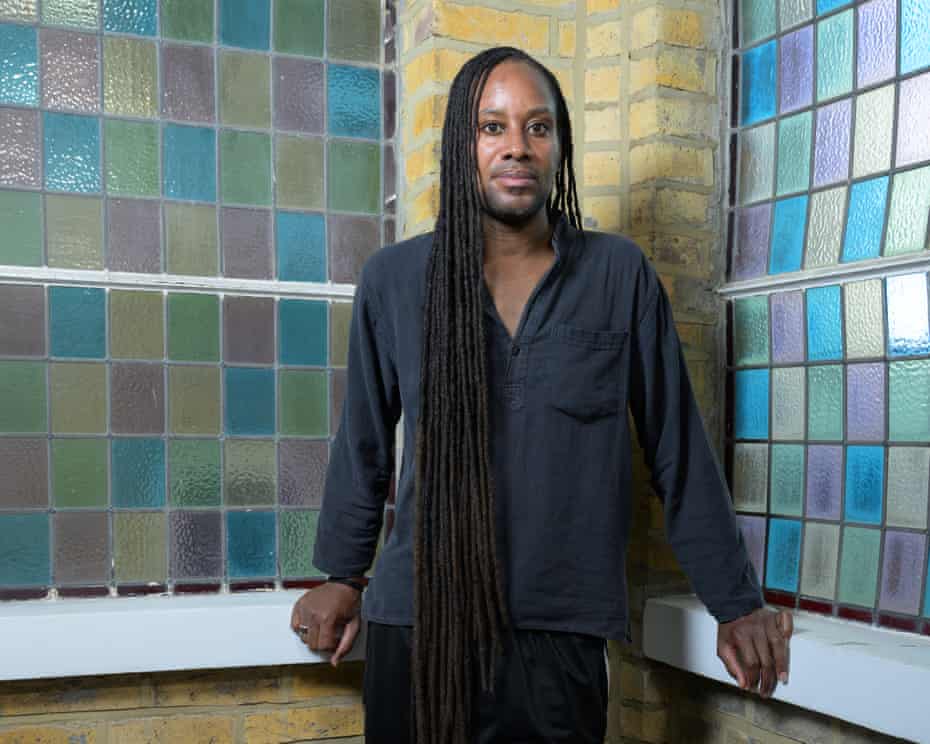
Professor Jason Arday has resigned from his position at the University of Cambridge following fresh investigations into allegations surrounding his academic qualifications, career history and claims of plagiarism.
Arday announced his immediate resignation in a statement released on Wednesday, saying the sustained scrutiny had become overwhelming.
“The relentless accusations, speculation and public commentary have taken a profound toll on me and on those I love,” he said.
His departure came hours after Cambridge confirmed it had opened a new investigation after receiving what it described as “new information” concerning his academic qualifications and honorary appointments.
The university said separate complaints relating to alleged academic misconduct were also still being handled under its research misconduct procedures.
Arday had been under increasing scrutiny over claims about his academic record and aspects of his personal and professional achievements.
Although earlier plagiarism allegations linked to his PhD were investigated by Liverpool John Moores University, the institution did not uphold the accusations, concluding that any citation problems were likely the result of “honest and reasonable error.”
Responding to the allegations last week, Arday maintained his innocence, saying, “There have been multiple thorough investigations across several institutions as a result of the allegations, and immense scrutiny, including with an academic misconduct panel who concluded that there was no plagiarism or academic misconduct.”
In his resignation statement, Arday wrote, “It is with profound sadness that I write to resign, with immediate effect, from my position at the University of Cambridge and Jesus College.
“When I accepted the extraordinary honour of becoming Professor of Sociology at Cambridge, it was, without question, the greatest professional privilege of my life.”
He added that after days of intense public examination, “I have concluded that the only way to bring this chapter to an end is to step away.”
The university had initially defended Arday, describing him as “the victim of a vile campaign.”
However, further questions about his academic background and public claims prompted the institution to launch new inquiries.
Cambridge said, “The University of Cambridge has begun an investigation following new information about Prof Arday’s academic qualifications and honorary appointments. In order to ensure a fair process, we will not comment further until this has concluded.
“Separately, there remains a number of ongoing complaints regarding academic misconduct, which are being handled in line with our misconduct in research policy.
“While we are fully aware of the public commentary and concerns around this matter, it remains vital that any process is thorough and adheres to both university policies and employment law.
“We also fully recognise that there is a person at the centre of this situation, and we continue to provide support to him.”
Jesus College also confirmed it had begun a parallel process linked to his fellowship, which is tied to his university appointment.
A spokesperson said, “Prof Arday’s college fellowship is linked to his university role and we will fully support the university.
“Prof Arday remains a fellow during this process. We recognise that this is a very difficult time for him and his family, and ask that they are treated with compassion and respect.”
Among the issues under scrutiny are claims that Arday held visiting fellowships and professorships at several universities, including Ohio State University, which has said he was never employed there.
Questions have also been raised over claims involving fundraising achievements, marathon records and alleged threats made against him following his appointment at Cambridge.
Arday, who became Cambridge’s youngest Black professor in 2023, said his decision to resign should not be interpreted as an admission of wrongdoing.
“This decision should not be interpreted as a loss of faith in scholarship or in the values that first brought me to Cambridge. Nor should it be mistaken for an acceptance of the narratives that have surrounded me. It is simply the decision of someone who has reached the limits of what any person should reasonably be expected to endure.”
He concluded by expressing hope of returning to academic work in the future.
“This is not the end of my work. It is simply the end of this chapter.
“I need time to heal. I need time to simply be myself again.
“And when that time comes, I will return.”