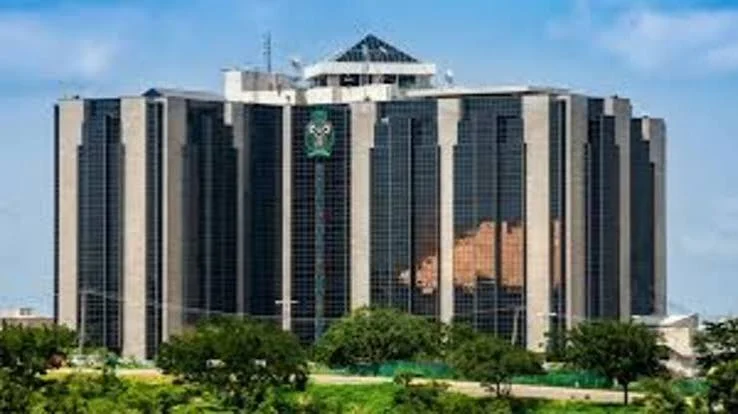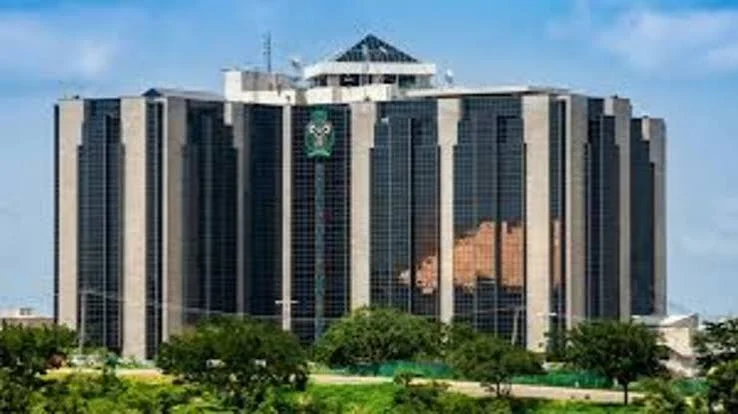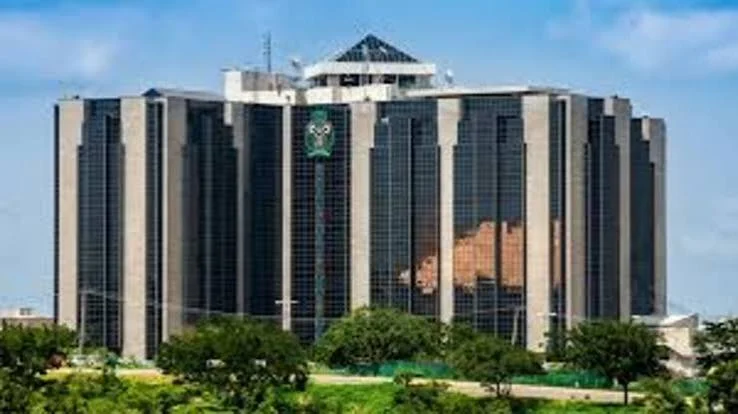
The Central Bank of Nigeria has retained its benchmark interest rate at 23 per cent, maintaining its monetary policy stance amid a gradual decline in the country’s inflation rate.
CBN Governor, Olayemi Cardoso, announced the decision on Tuesday at the end of the bank’s two-day 308th Monetary Policy Committee meeting held in Abuja between November 23 and 24, 2026.
The decision followed the committee’s September meeting, when the apex bank reduced the Monetary Policy Rate from 26.5 per cent to 23 per cent after maintaining it at the previous level in May and July.
Speaking on the latest decision, Cardoso said headline inflation had moderated for five consecutive months, attributing the development to sustained exchange rate stability and improved monetary policy transmission.
“However, given the prevailing headwinds, which have slowed the pace of moderation in price pressures, members were of the view that maintaining the current policy stance would further anchor inflation expectations and support the disinflation process,” Mr Cardoso said.
The committee also retained the asymmetric corridor around the MPR at +50 and -300 basis points.
The measure is intended to discourage banks from keeping excess funds with the CBN and encourage lending to businesses and other sectors of the economy.
Similarly, the Cash Reserve Ratio for commercial banks was maintained at 45 per cent, while merchant banks retained their 16 per cent requirement.
The CRR on non-Treasury Single Account public sector deposits was also kept at 75 per cent to manage liquidity in the financial system.
The decision came as Nigeria recorded another decline in headline inflation, which dropped from 15.39 per cent in August to 14.63 per cent in September and 14.06 per cent in October 2026, according to the National Bureau of Statistics.
Before the September reduction, the CBN had cut the benchmark rate by 50 basis points, from 27 per cent to 26.5 per cent, in February 2026.
It subsequently retained the rate at 26.5 per cent during its May and July meetings as it continued efforts to contain inflationary pressures.