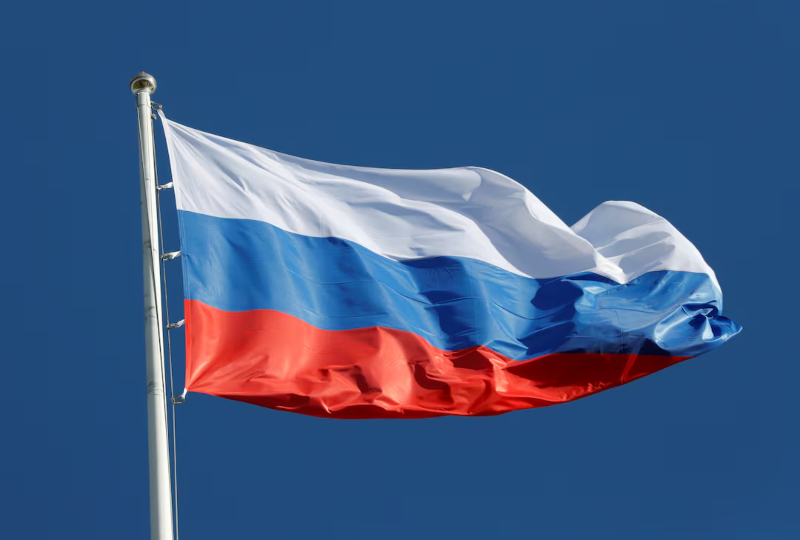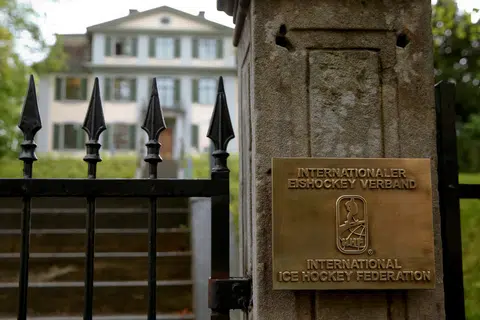
Russia will not participate in the 2027 World Junior Ice Hockey Championship after Canada imposed restrictions barring Russian athletes and officials from entering the country, the International Ice Hockey Federation (IIHF) has confirmed.
The tournament will hold from December 26, 2026, to January 5, 2027, in Edmonton and Red Deer, Canada, after the IIHF considered alternative hosting arrangements but decided to retain the country as the venue.
Canada’s Secretary of State for Sport, Adam van Koeverden, had told Reuters on November 11 that Russian and Belarusian athletes and officials would be denied entry to compete, including those holding valid visas.
The restriction is linked to Russia’s ongoing war against Ukraine.
The IIHF suspended Russian and Belarusian teams from international competitions in 2022 following Russia’s invasion of Ukraine.
However, a Court of Arbitration for Sport ruling in October directed the federation to readmit Russian teams to five championships.
The World Junior Championship was the first competition affected by the October 30 ruling.
Although the IIHF said it disagreed with the ruling, it pledged to comply.
Canada’s Prime Minister, Mark Carney, had earlier maintained that Russian athletes would not be allowed to represent their country on Canadian soil.
Van Koeverden subsequently clarified that Canada’s provision for neutral participation applied only to individual athletes, not national teams.
The Russian Ice Hockey Federation described the IIHF’s decision as “unacceptable and unlawful” and announced plans to appeal to the International Olympic Committee.
“The IIHF’s decision was made solely due to political reasons,” it said in a statement.
“The exclusion of the Russian national team violates fundamental legal principles, Olympism, the principle of non-discrimination, equality among athletes and the integrity of international tournaments.”
Canada welcomed the decision, reiterating its opposition to Russian and Belarusian representation in international sports while the war continues.
“Canada’s position is unequivocal: until Russia ends its war of aggression against Ukraine, Russian and Belarusian representation should not be permitted in international sport,” Van Koeverden told Reuters on November 15.
“This has been the position held by many around the world since 2022. Canada’s position will not change, because Russia’s actions have not changed.”
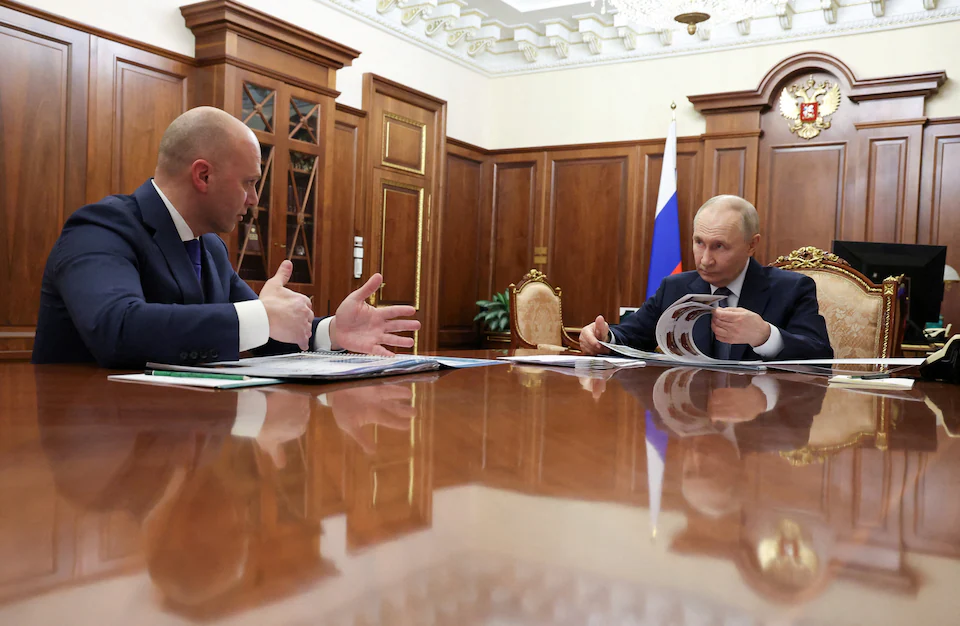
Russian President Vladimir Putin had earlier accused countries opposing Russia’s return to international sporting competitions of violating the rights of Russian athletes and democratic institutions.
Meanwhile, Norway’s Under-20 team has been reinstated into the tournament after previously being informed that it would lose its place to Russia as the lowest-ranked team.
Norwegian Ice Hockey Association Secretary-General Petter Salsten welcomed the development, saying the players had earned their place through promotion in 2025.
“We’re very happy for the players, the coaches and everyone in Norwegian ice hockey, who earned this place by winning promotion last year (2025),” Salsten said.
“The team have been looking forward to this for a whole year but have spent the past month in limbo.”
Norway confirmed that its pre-tournament training camp and scheduled matches in Canada would proceed as planned.
Russia’s proposed return to international ice hockey has also generated controversy ahead of the 2027 Men’s World Championship in Germany, with Austria, the Czech Republic, Denmark, Finland, Latvia, Norway and Sweden threatening to boycott matches against the Russian team.
The controversy has also affected sponsorship, with one sponsor withdrawing and others considering similar action if Russia is allowed to participate.
The German Ice Hockey Federation has called on the IIHF to clarify Russia’s participation at the May 2027 tournament, which Germany will host.
“We now need this planning security for our home World Championship in May (2027), for the teams, the fans and all partners,” federation chairman Frank Lutz said in a statement.
“We therefore demand prompt clarification from the IIHF.”