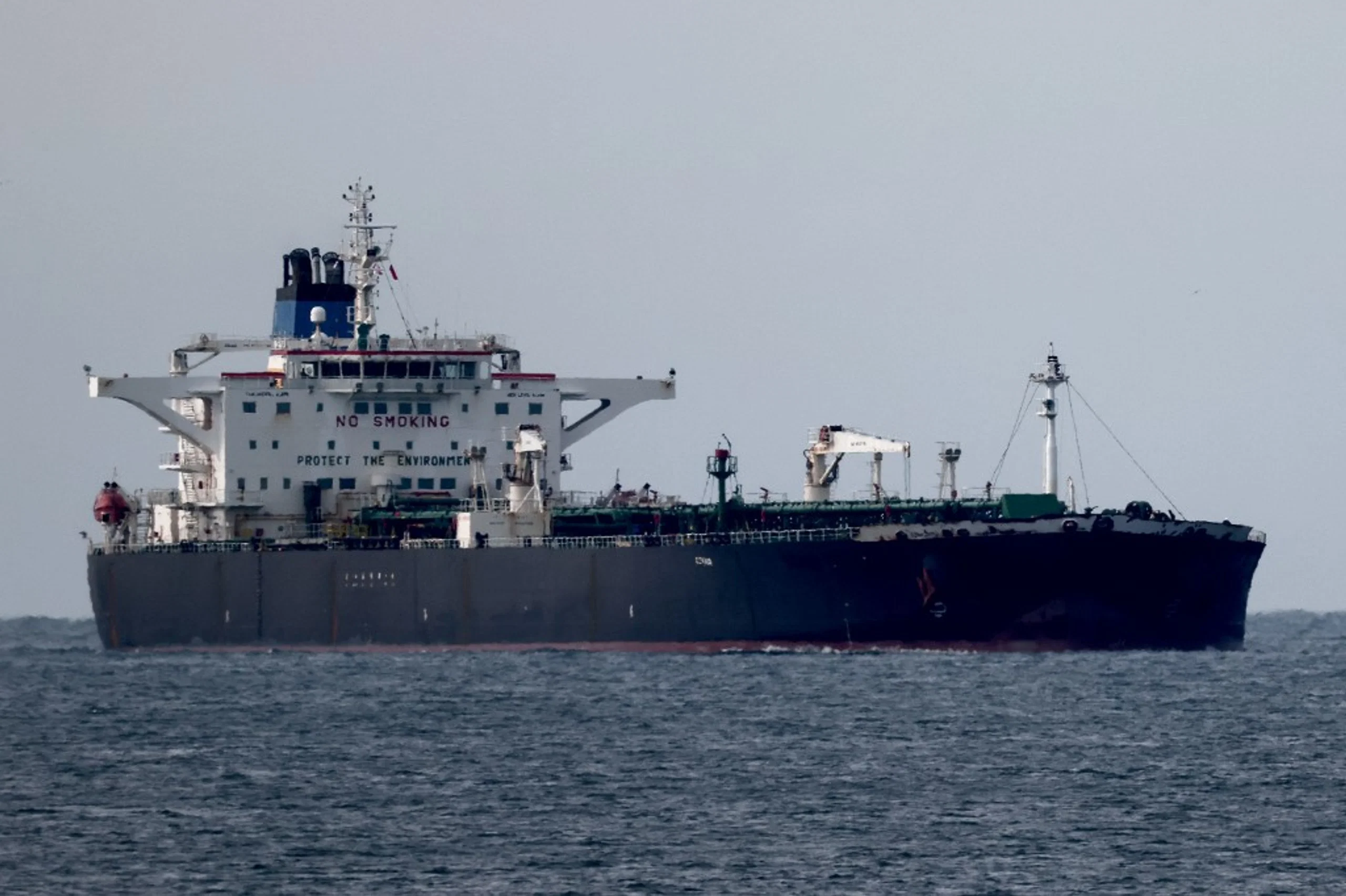
The United States is considering relaxing sanctions on vessels linked to the transportation of oil from Russia, Iran and Venezuela in a bid to reduce soaring global shipping costs, a US official has said.
According to Reuters, the proposed measure would allow companies to transport legally traded crude oil and petroleum products using previously sanctioned vessels, although the ships would still require approval from the US Treasury Department.
The discussions come days after US President Donald Trump temporarily eased sanctions on Russian diesel fuel, a decision that drew criticism from Ukrainian President Volodymyr Zelenskiy, European countries and some Republican senators.
Critics of the move argued that allowing Russian diesel to reach international markets would generate additional revenue for Moscow to sustain its war against Ukraine.
The latest proposal, however, focuses on transporting oil that is not subject to US sanctions, rather than permitting shipments of Russian or Iranian oil, the US official said.
The official added that the objective was to increase the volume of crude oil and refined petroleum products leaving the Gulf.
US Energy Secretary Chris Wright reportedly disclosed the discussions in a video message to the World Petroleum Congress in Riyadh, according to energy research group Energy Aspects.
The US Department of Energy said the full video and a transcript were unavailable.
The Energy Department also maintained that any decision to ease restrictions on the so-called shadow fleet would not assist Russia in moving its oil and petroleum products.
However, the administration’s efforts to increase the availability of Russian diesel in global markets could intensify pressure on government departments to permit shipments using the sanctioned vessels.
The proposed relaxation comes amid record-high tanker freight rates, driven by the wars in Iran and Ukraine, rising inflation and difficulties faced by Asian refiners in accessing US crude oil.
These challenges have pushed some buyers towards alternative supplies from the Middle East and Latin America.
Despite the proposed changes, analysts at Energy Aspects warned that easing the restrictions was unlikely to significantly reduce shipping costs.
In a note to clients, the research group said the move could increase oil movements in the Middle East but would not immediately create substantial additional capacity in the mainstream tanker fleet.
It noted that many vessels sanctioned over their links to Russia or Venezuela had continued operating in recent months, limiting the potential impact of lifting the restrictions.
The group added that easing the measures “could make a small number of additional tankers available for certain (Strait of) Hormuz shuttle runs,” referring to the strategic waterway between Iran and Oman.
Maritime industry sources also warned that the changes might have limited effects on freight rates because ship insurers would remain subject to European Union and United Kingdom regulations.
Companies seeking permission to use the vessels would have to apply to the US Treasury Department, the official said.
Meanwhile, elevated oil and fuel prices remain a concern for Trump ahead of the November 3 midterm elections, as Republicans seek to retain control of both chambers of Congress.
The US president’s temporary suspension of sanctions on Russian diesel is scheduled to remain in effect until April 7.