The Federal Government is considering measures to support businesses in Abia State, with particular attention to the textile and garment industry in Aba as well as the agricultural sector.
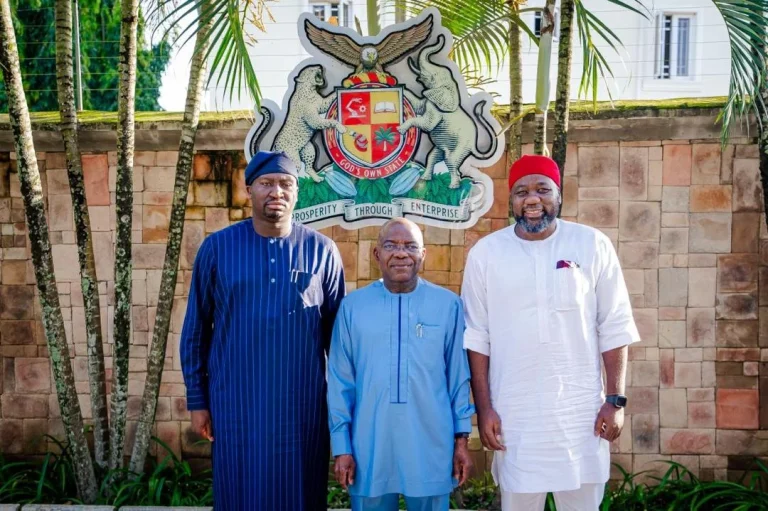
The Special Adviser to the President on Industry, Trade and Investment, John Uwajimogu, disclosed this on Wednesday when he led a delegation to meet with the Abia State Governor, Alex Otti, at the Government House.
Uwajimogu said the visit was aimed at strengthening collaboration between the Federal Government and the state while identifying areas that could attract federal projects and investment to Abia.
He noted that the Federal Government had recognised Aba’s significant industrial capacity, particularly its textile and garment businesses, and was working on ways to address challenges limiting their operations.
“One of the biggest things that we see coming out of Abia State is the strong industrial capacity in Aba, particularly in the textile and garments sector.
“We have been thinking of how, from the federal level, we can support the businesses that are working in that sector and have come up with ideas on how we can address some of the biggest binding constraints that they often face, one being infrastructure and the other one being finance.
“We are also coming to discuss what we can bring to the table and help resolve and address those binding constraints,” Uwajimogu stated.
He added that the Federal Government was keen to establish its projects and programmes in Abia, saying the engagement was part of efforts to identify areas of cooperation that could drive economic development in the state.
Also speaking, the Executive Secretary/Chief Executive Officer of the National Agricultural Land Development Authority, Cornelius Adebayo, described Otti as a performer and reformer, saying NALDA’s mandate was focused on reducing poverty through agriculture.
Adebayo said the agency was seeking the state government’s cooperation, especially in providing land for its Renewed Hope Mega Farm Estate programme.
According to him, the initiative would bring farmers together while providing infrastructure, improving security, facilitating access to farm inputs and markets, and creating sustainable sources of income.
He expressed optimism that Abia would host a major NALDA agricultural project, including a processing facility, and appealed to the governor to provide suitable land and other necessary support.
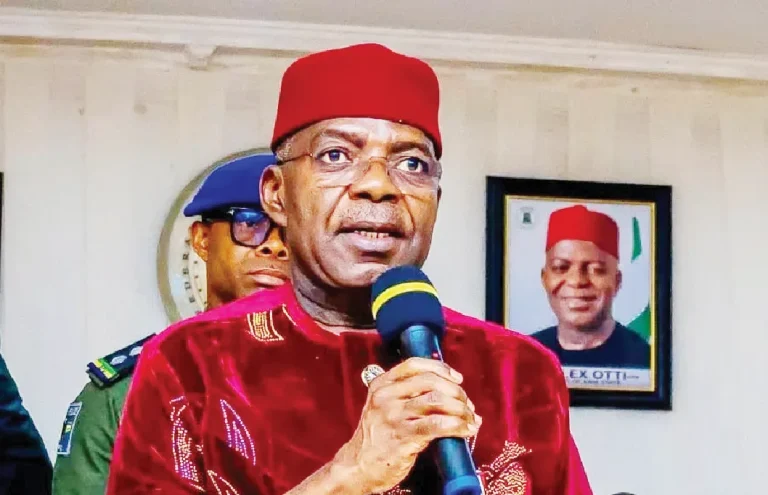
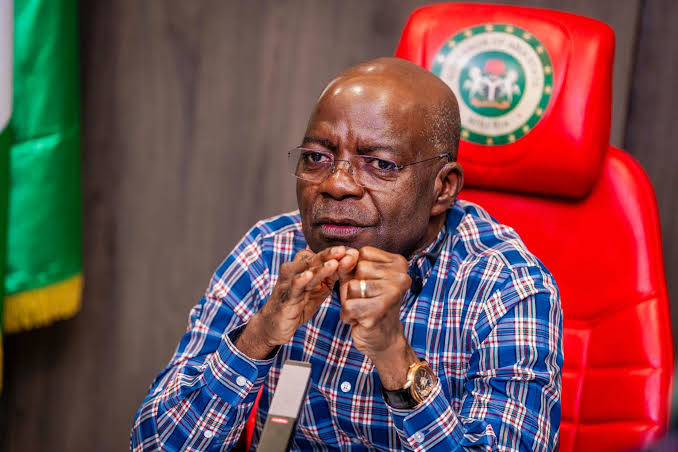
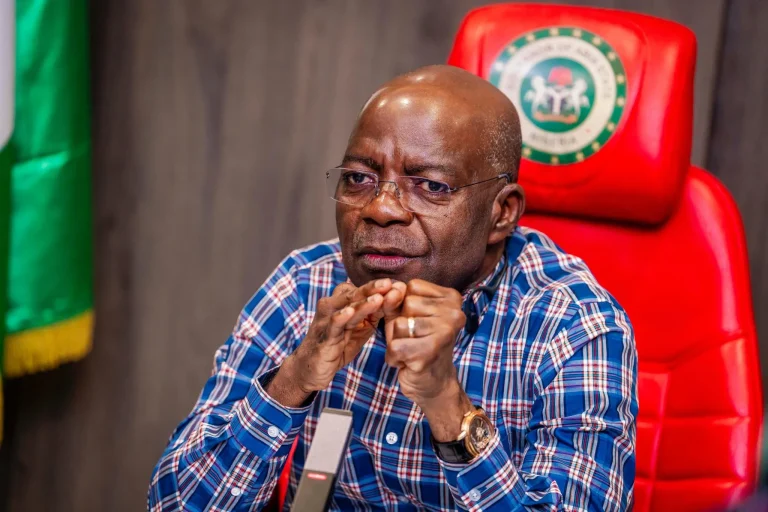
Responding, Otti said his administration was willing to work with NALDA and other stakeholders to harness the state’s agricultural potential.
The governor said that although Abia had a relatively small landmass, the state had fertile and arable land suitable for producing crops including cassava, yam, cocoyam, oil palm and cashew.
Otti said the proposed collaboration was consistent with his administration’s development agenda, stressing that dependence on imported food added pressure to the foreign exchange market and made increased domestic agricultural production necessary.