The administration of United States President, Donald Trump, is preparing to revoke the non-immigrant visas of foreign nationals who entered the country on business or tourism visas but later applied for asylum, a move that could affect as many as 200,000 people.
The proposed action was disclosed by the US State Department as part of the administration’s broader immigration enforcement campaign.
A department spokesperson said officials were working with the Department of Homeland Security to identify visa holders who entered the US as temporary visitors before seeking asylum to remain in the country permanently.
“To identify and revoke the non-immigrant visas of foreigners who have come to the United States claiming to be short-term visitors, but then file for asylum to stay here permanently,” the spokesperson said.
The State Department did not specify how many visas would ultimately be cancelled.
However, the Associated Press, citing State Department documents and two US officials, reported that up to 200,000 people who received business and tourism visas between 2016 and 2026 could be affected.
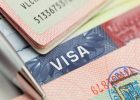
The targeted B1 and B2 visas are issued mainly to foreign nationals travelling to the US for business and tourism.
The proposed cancellations would not automatically lead to immediate deportation.
According to AP, people with pending asylum applications would generally be placed in another immigration category but would lose their status as business or tourism visitors.
US Deputy Secretary of State Christopher Landau, in a post on X on Monday, criticised the asylum system, alleging that it “has long been swamped by frivolous asylum claims.”
The State Department also said earlier this month that the Trump administration had revoked more than 175,000 visas belonging to foreign nationals.
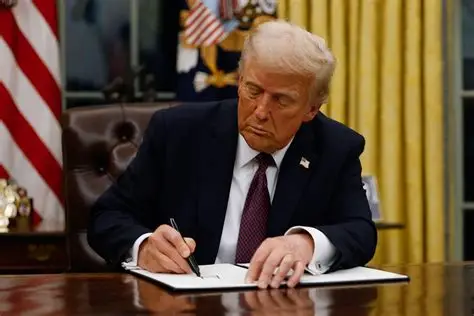
Since returning to office, Trump has intensified immigration enforcement, including the cancellation of visas and green cards and an expanded deportation campaign.
His administration says the measures are necessary to strengthen national security and enforce US immigration laws.
Rights organisations have criticised the policies, arguing that the crackdown threatens due process and free speech while creating an unsafe environment for ethnic minorities concerned about racial profiling.
Trump campaigned in 2024 on a pledge to reduce illegal immigration, but his administration has also introduced measures affecting legal immigrants, including higher fees for some work visa applicants.
The administration’s immigration policies have faced several legal challenges.