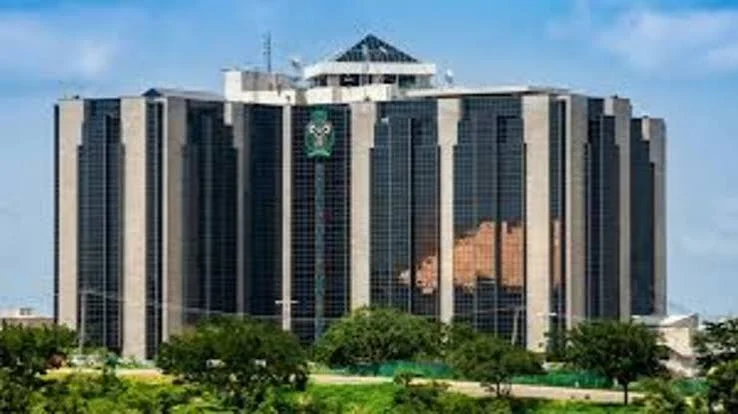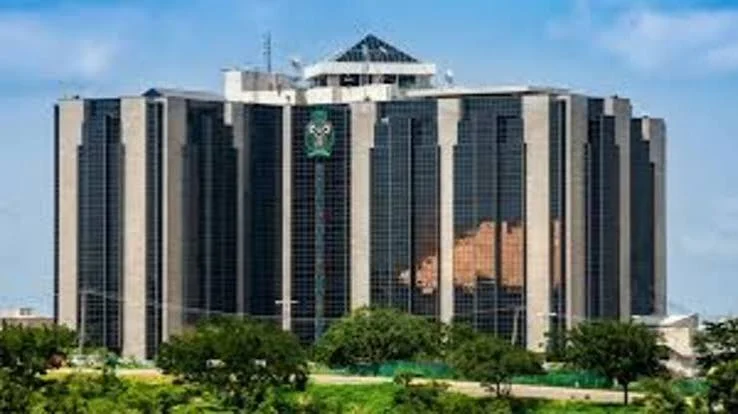
The Central Bank of Nigeria has attributed the reduced availability of N100 and N200 notes to the growing adoption of digital payment systems and the declining purchasing power of lower-denomination naira notes.
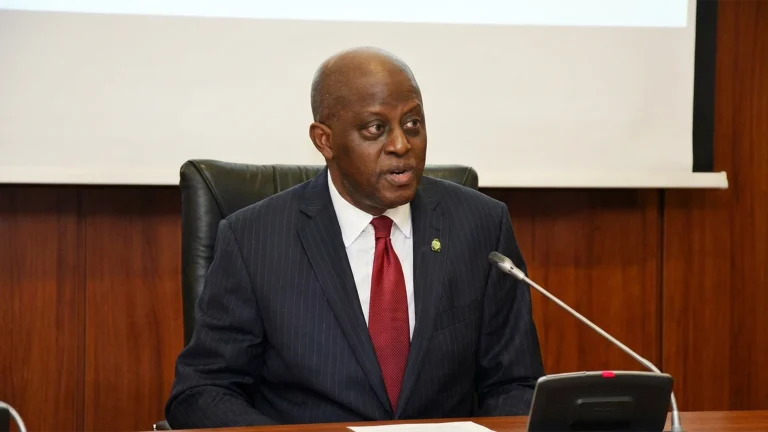
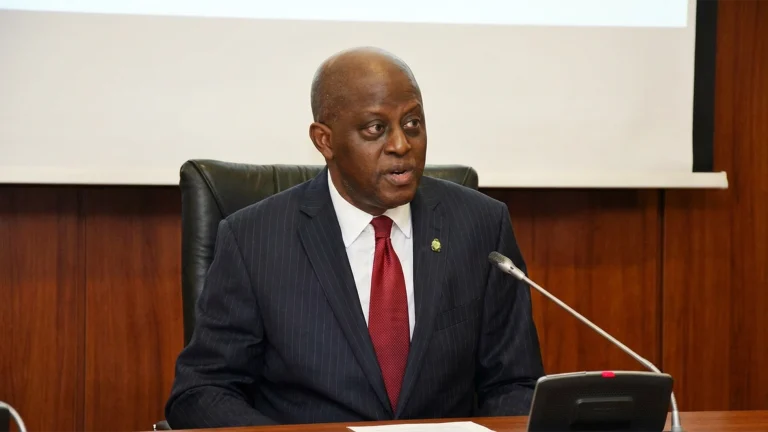
CBN Governor, Olayemi Cardoso, disclosed this on Tuesday in Abuja while speaking after the Monetary Policy Committee meeting.
Cardoso dismissed concerns that the apex bank had withdrawn the notes from circulation, stressing that they remained legal tender and should be accepted for transactions.
“Yes, they remain legal tender. Unless the central bank states otherwise, Nigerians should assume that all existing denominations remain legal tender,” he said.
The governor explained that the availability of the lower denominations was being influenced by changes in the demand for physical cash as more Nigerians embraced electronic transfers, mobile banking and other digital payment platforms.
According to him, the shift towards cashless transactions had naturally reduced the demand for coins and smaller naira notes.
“As to why there appear to be fewer of these notes in circulation, it is largely a matter of demand and supply. The financial ecosystem is evolving in the direction we want it to, with greater financial inclusion and increased digitisation,” Cardoso said.
He added that the depreciation of the naira had also reduced the purchasing power of N100 and N200 notes, making them less useful for some everyday transactions
“Of course, we must also acknowledge that currency devaluation has affected the purchasing power of lower-value notes. That is a reality,” the CBN governor said
The development comes amid concerns from members of the public who have reported difficulties in obtaining smaller denominations for transport fares, petty trading and other cash-based transactions.
The CBN had previously clarified that both the standard and commemorative N100 notes remained valid and warned the public and businesses against rejecting them.
On inflation, Cardoso said the apex bank remained focused on bringing the country’s inflation rate down to single digits despite unexpected external economic pressures.
He noted that Nigeria had experienced 11 consecutive months of disinflation before global developments disrupted the trend.
“It is important to remember where we are coming from. We recorded 11 consecutive months of disinflation and, from every indication, we expected that by early 2027 we would be where we wanted to be in terms of inflation, with a path towards single-digit inflation,” he said.
The governor, however, said unexpected external shocks had slowed the progress towards the target.
“Unfortunately, we have experienced external shocks that were not anticipated and have lasted much longer than anyone expected,” Cardoso added.
On the naira’s exchange rate, the CBN governor maintained that its value should be determined by market forces rather than a fixed target set by the government.
He said factors such as oil exports, foreign investment, domestic productivity and increased local production would play significant roles in determining the currency’s future value.
Cardoso further stated that the foreign exchange market had become more transparent and liquid, with daily turnover exceeding $1bn on some occasions.