The United Kingdom government will on Tuesday unveil its long-awaited Defence Investment Plan, with Prime Minister Sir Keir Starmer saying the package will help keep Britain “safe and secure long into the future.”
The Ministry of Defence said the strategy includes £5bn in funding aimed at expanding the Armed Forces’ use of drones and autonomous weapons systems, reflecting a growing focus on emerging military technologies.
The announcement follows months of negotiations over defence funding. Earlier this month, the Treasury and Downing Street agreed to a £13.5bn increase in defence spending, significantly below the £28bn sought by the MoD.
Defence Secretary Dan Jarvis has continued to push for additional resources after taking over from John Healey, who resigned amid disagreements over funding levels.
Opposition parties criticised the plan ahead of its publication. The Conservatives described it as “too little, too late”, while the Liberal Democrats argued it had “dangerously short-changed our Armed Forces”.
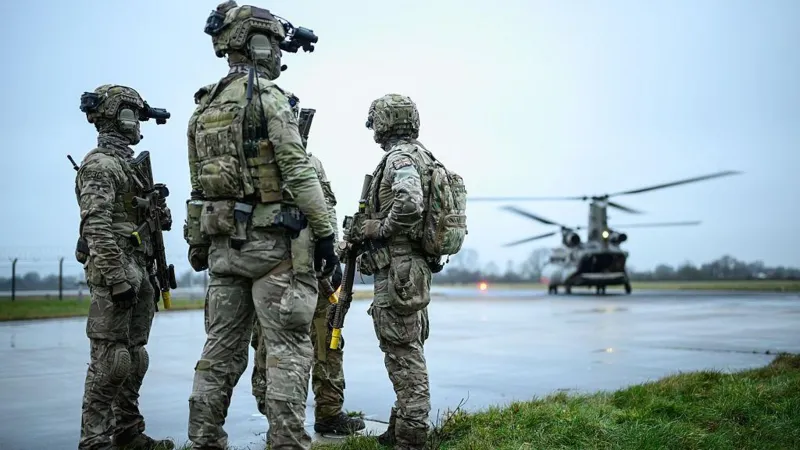
According to details released by the MoD, the plan includes the “largest ever drone investment” in the history of the UK Armed Forces, valued at £5bn over the next four years to help create what officials describe as an integrated military force.
The Royal Navy is expected to transition towards a “hybrid navy” model that combines traditional warships and aircraft with autonomous vessels and artificial intelligence systems. Funding has also been allocated for six new warships.
The British Army will receive £50m to expand drone capabilities and develop uncrewed military vehicles.
For the Royal Air Force, the plan outlines the development of autonomous fighter jets and the introduction of its “uncrewed electronic warfare drone system” into active service next year.
Funding will also support the Uncrewed Systems Centre in Swindon, described by the MoD as Europe’s largest drone testing facility, alongside the creation of a dedicated task force focused on advancing autonomous military technologies.
Despite being in the final phase of his premiership, Sir Keir has pressed ahead with the publication of the DIP after prolonged Whitehall discussions over how it would be financed. Several government departments were reportedly asked to make spending reductions to accommodate the defence package.
The funding debate has already led to the resignations of two defence ministers, both of whom argued that earlier proposals did not provide sufficient resources to meet the UK’s military needs.
The plan is also expected to set out how defence infrastructure projects and future equipment programmes will be financed over the next decade.
Originally scheduled for publication in autumn 2025, the DIP arrives just days before the NATO leaders’ summit in Turkey on July 7.
Healey resigned earlier this month, arguing the plan fell “well short” of what was required to protect Britain and meet existing commitments.
Armed Forces Minister Al Carns also stepped down, saying the package was not “transformative enough” to address the rapidly changing nature of modern warfare.
Reports suggest Jarvis succeeded in securing additional funding and spent recent weeks reshaping the plan to reflect lessons emerging from conflicts in Ukraine and Iran.
The MoD said these adjustments were influenced by the increasing use of drones to strike high-value military targets.
Jarvis said the “character of warfare is rapidly changing”.
He said: “In Ukraine and the Middle East, uncrewed systems are defining conflicts.
“This largest ever UK investment into these evolving technologies will help our Armed Forces stay ahead of our adversaries, backed by the best of our defence industry.”
The government has also decided to abandon previous proposals to replace ageing naval vessels, opting instead to construct at least six modern “hybrid” ships designed to deploy drones.
Sir Keir said there would be “game-changing investment” to strengthen the Armed Forces on land, at sea and in the air.
He said, “Today’s defence investment plan will help drive growth across the UK, giving our industrial base the confidence, certainty and support it needs to develop and scale the technologies that will keep our country safe and secure long into the future.”
The prime minister’s comments come after defence companies and trade unions warned that repeated delays to the DIP posed risks to jobs, skills development and national security.
The timing of the plan’s publication has also sparked political debate, as it comes just weeks before a potential change in Labour Party leadership.
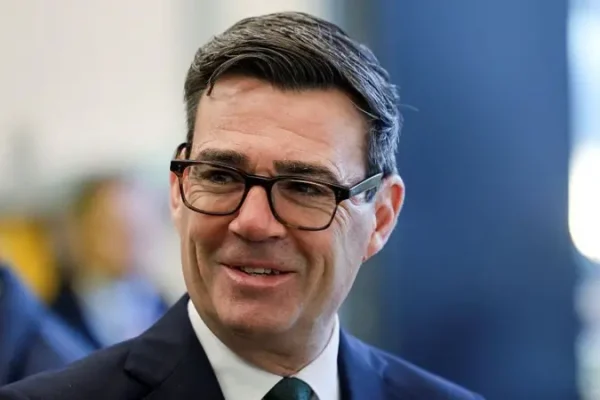
Reports indicate that Labour leadership contender Andy Burnham has reviewed and approved the document, although Downing Street declined to confirm this on Monday.
Burnham, currently the only declared candidate in the Labour leadership race, has previously argued that reducing welfare spending by increasing employment would free up additional resources for defence.
Shadow Defence Secretary James Cartlidge criticised the plan, claiming it was “being rushed through because Keir Starmer is desperate for a legacy”.
He said: “This plan is not worth the paper it’s written on – Keir Starmer is prime minister in name only.
“The next prime minister needs to cut welfare and give our armed forces the funding they need to keep Britain safe.”
Liberal Democrat leader Sir Ed Davey also voiced concerns.
He said, “The government has dangerously short-changed our armed forces when they need urgent investment after years of Conservative negligence.
“Defence chiefs have been forced to make hard choices, when they should be given what they need.”
The DIP builds on the Strategic Defence Review published in June 2025, which outlined a shift towards greater “warfighting readiness” and pledged billions of pounds for ammunition stockpiles, advanced fighter aircraft, drones and new attack submarines.
NATO Secretary General Mark Rutte has previously called on alliance members to present “clear, concrete and credible plans” showing how they intend to increase defence spending ahead of next month’s summit.
The UK government has committed to raising defence expenditure to 3.5% of gross domestic product by 2035 in line with NATO targets.