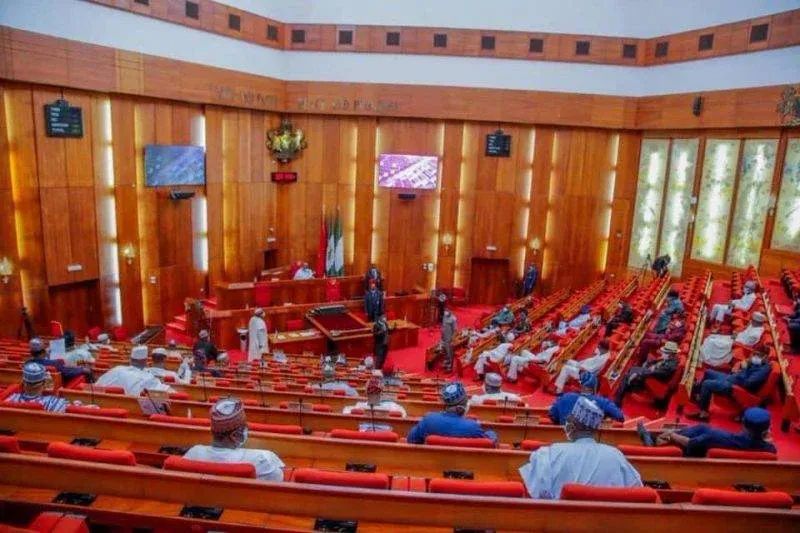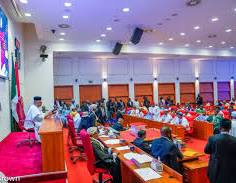
The Senate is set to reconvene today for an emergency plenary as lawmakers race to advance the controversial State Police Bill, a key constitutional reform aimed at reshaping Nigeria’s internal security structure.
According to The Punch, the special session was convened after concerns that the constitutional amendment process establishing state police formations could not be concluded before the chamber proceeded on a three-week recess, largely due to insufficient attendance to meet the required quorum.
The proposed legislation seeks to decentralise policing by enabling state governments to create and manage their own police forces, but it must secure the backing of at least two-thirds of senators because it involves amendments to the 1999 Constitution.
Although the bill has enjoyed broad bipartisan support, earlier attempts to conclude the amendment process reportedly stalled when the Senate failed to gather the constitutionally required number of members before going on break.
To prevent further delays, the leadership of the Senate has stepped up cross-party consultations and urged senators to ensure full attendance at today’s emergency sitting.
Speaking in an interview on Monday, Senate Spokesman, Senator Yemi Adaramodu, said the issue of state policing remains a central priority for lawmakers ahead of the session.
He stated, “The Senate will be considering matters of public interest, especially national security. The State Police legislation will undoubtedly be a priority issue.
“The Senate is expected to receive reports from the relevant Committee that earlier got legislative referral for a Second reading of the State Police bill.
“The Senate is desirous of partnering with other arms of Government in curbing the undesirable activities of bandits, terrorists and other peace-threatening marauders.”
If the bill eventually scales through the Senate and the House of Representatives, both chambers will form a joint conference committee to reconcile differences in their versions before forwarding the proposal to the 36 State Houses of Assembly for approval, as required under constitutional amendment procedures.
The emergency plenary is scheduled for 11:00 a.m. at the National Assembly Complex in Abuja, following a formal notice circulated to senators on June 15 by the Clerk of the Senate, Emmanuel Odo.
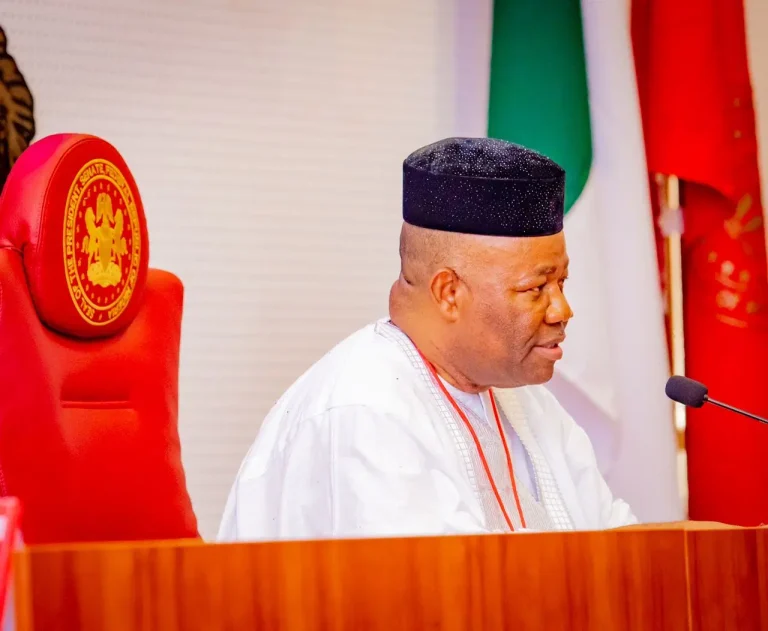
According to the memo, the recall was ordered at the instance of Senate President Godswill Akpabio to deliberate on urgent national matters, with a strong focus on security challenges.
The suspension of the recess highlights growing concern within the legislature over Nigeria’s worsening security environment, including ongoing attacks by armed groups, kidnappings, and insurgent activities in various regions.
In the official notice, the Senate stressed that the emergency sitting was necessary to address pressing national issues requiring immediate legislative action.
“The purpose of this emergency sitting is to enable the Senate to consider matters of urgent national importance, particularly issues relating to national security and other critical concerns that require immediate legislative attention,” the notice read.
The recall marks a shift from the earlier legislative calendar, which had the National Assembly on break with resumption expected on July 7 after Democracy Day activities and constituency engagements.
The development also comes amid renewed calls on the Federal Government to intensify its response to insecurity across the country.
In his Democracy Day address, President Bola Tinubu pledged tougher action against terrorist and criminal networks, insisting that perpetrators and their sponsors would face strict legal consequences.
He also claimed that security operations had resulted in the neutralisation of more than 13,000 terrorists within the past year and noted a decline in terrorism-related fatalities since 2015, while admitting that the continued captivity of schoolchildren abducted in Oyo State and Borno State remains a serious concern.
Lawmakers are expected to use the emergency sitting to inject momentum into long-delayed efforts to overhaul the country’s policing framework through constitutional amendments.
The Senate had already moved the bill forward on June 11, passing it at second reading and referring it to the Ad-hoc Committee on the Review of the 1999 Constitution for further consideration.
The draft law proposes transferring policing from the Exclusive Legislative List to the Concurrent Legislative List, thereby allowing states to run their own police formations alongside the federal police.
It seeks to amend Sections 197, 214, 215 and other related provisions of the Constitution.
Leading the debate earlier, Senate Leader Opeyemi Bamidele described state policing as a necessary reform to strengthen Nigeria’s internal security architecture in response to evolving threats.
He argued that officers recruited locally would be more effective in intelligence gathering due to their understanding of local languages, terrain, and community dynamics.
Bamidele highlighted the range of security challenges facing the country, including terrorism, banditry, kidnapping, cultism, communal clashes, pipeline vandalism, armed robbery, and cybercrime.
He also addressed concerns that governors could misuse state police for political purposes, insisting that safeguards were embedded in the proposal.
Among the proposed protections are independent oversight bodies, federal-level supervision, legislative confirmation for senior officers, and constitutional intervention mechanisms where security breakdown occurs.
Senate Chief Whip Tahir Monguno also backed the bill, noting that it would help regulate the activities of vigilante groups across the country.
The idea of state police remains one of the most debated constitutional reforms in Nigeria’s recent history.
Supporters argue it would improve rapid response, local intelligence, and accountability, while critics warn it could be abused by state executives for political control.
Despite the divisions, today’s emergency sitting is expected to be a crucial test of the Senate’s determination to push forward one of its most consequential security reforms in years.