The Federal Government has expressed strong displeasure over what it described as South Africa’s inadequate response to a fresh wave of xenophobic attacks targeting Nigerian nationals, warning that possible retaliatory diplomatic steps, including a review of existing bilateral privileges, are under consideration.
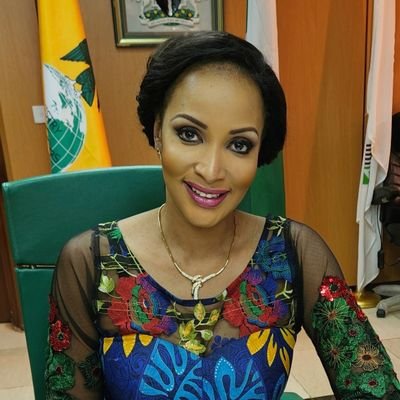
The Punch reported that Minister of Foreign Affairs, Amb. Bianca Odumegwu-Ojukwu, made the position known on Monday after briefing State House correspondents following a meeting with President Bola Tinubu at the Presidential Villa, Abuja.
She dismissed claims by some South African officials that Nigerians affected in the attacks were illegal migrants, insisting that verified Nigerian passport holders were being targeted, their businesses destroyed, and their children subjected to intimidation.
According to her, the attacks have escalated into widespread harassment and destruction of property while security agencies in South Africa allegedly failed to act decisively.
“Our citizens are being harassed. Our citizens’ properties are being looted. Criminal actions are being perpetrated, and the police refuse to do anything. The South African government has not come out strongly and firmly enough to condemn these incidents.
“To say that Nigerians who are in South Africa doing legitimate business are illegal migrants is absolutely untrue. People who are doing legitimate business have their shops looted, their shops set on fire. Children cannot go to school because they are intimidated in their schools.”
The minister also referenced Nigeria’s historical role in supporting South Africa’s liberation struggle, describing the current treatment of Nigerians as particularly painful in light of that history.
“Nigeria is not happy with South Africa. Nigeria sacrificed much for the South African struggle for independence. Nigeria committed funds, committed resources. In schools, seats were reserved for South African students.
“My own generation, we carried placards, we demonstrated in front of South African assets. Sometimes we even got arrested for doing this. Nigeria is a serious frontline state, and Nigerians are not happy about how they have been treated,” she said.
She further alleged that the attacks appeared to be selectively targeted.
“They are not asking other migrants to leave. They are only asking black migrants to leave.”
On possible retaliatory action, including restrictions on South African businesses operating in Nigeria, she said the matter was still under review at the highest level of government.
“That is a situation that we are considering. This is a decision that has to be taken at the highest level of government. But it is not off the table.”
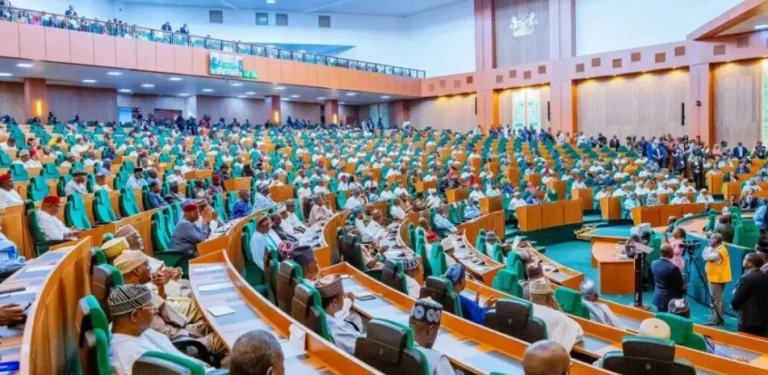
Meanwhile, the House of Representatives has already urged a temporary suspension of business permits issued to South African firms operating in Nigeria, while the Senate has approved plans to send a high-level delegation led by Senate President Godswill Akpabio to South Africa to formally register Nigeria’s concerns.
On evacuation efforts, Odumegwu-Ojukwu confirmed that President Tinubu had approved five evacuation flights operated by Air Peace, alongside the establishment of a crisis response unit at Nigeria’s consulate in Johannesburg and its mission in Pretoria.
She said over 1,000 Nigerians had already registered for voluntary evacuation, with screening extended to June 10 to accommodate more applicants. More than 500 people have reportedly been cleared so far.
The first evacuation flight, initially scheduled for Monday to airlift about 270 passengers from Johannesburg, was shifted to Wednesday due to logistical arrangements, not diplomatic issues, according to the ministry.
The evacuation, being coordinated with the National Emergency Management Agency and other federal agencies, will also include post-arrival rehabilitation support.
“This evacuation is being undertaken with NEMA. We are doing that with various government agencies and parastatals to ensure that once Nigerians come in, they can be rehabilitated.”
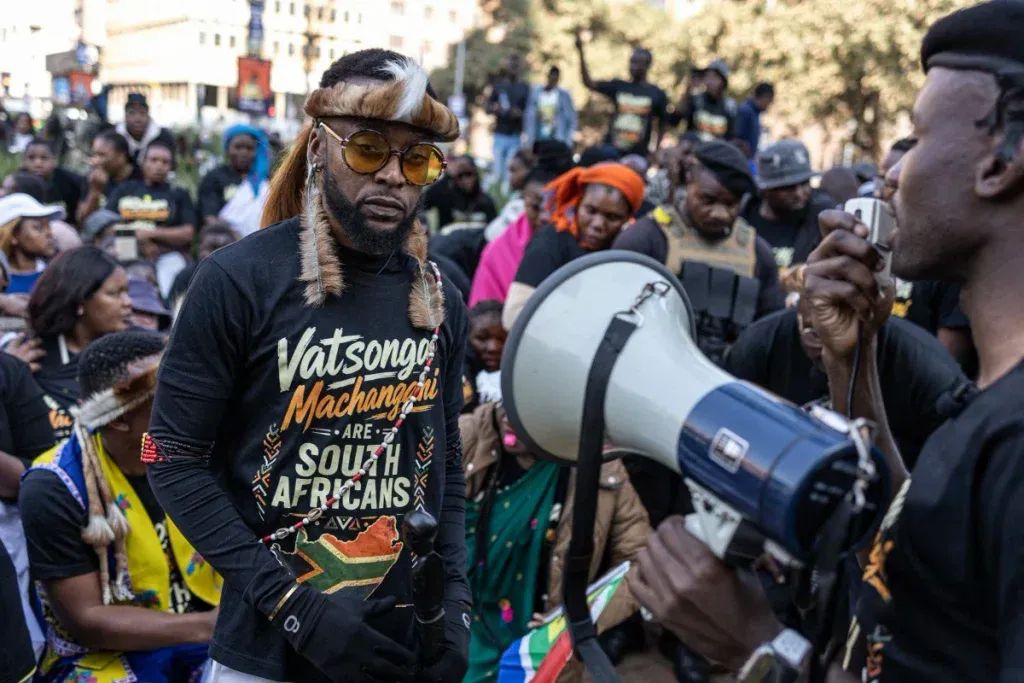
The latest unrest was linked to anti-immigration demonstrations organised by groups such as Operation Dudula and March for March in late April 2026, which heightened tensions for foreign nationals across several provinces.
The South African government had reportedly raised objections to Nigeria’s evacuation plans, with its foreign minister conveying concerns during a call with Odumegwu-Ojukwu on May 7.
She maintained that Nigeria would not stand down in the face of ongoing violence against its citizens.
“I maintained that our government cannot stand by and watch the systematic harassment and humiliation of our nationals resident in South Africa as well as the extrajudicial killings of our people, and that the evacuation of our citizens who want to return home remains our government’s priority at this time.”
Earlier on May 4, the Federal Government summoned South Africa’s Acting High Commissioner, Lesoli Machele, to the Ministry of Foreign Affairs in Abuja over the developments.
Tensions between both countries have a long history, with previous waves of xenophobic violence in 2008, 2015, and 2019, which led to deaths, displacement of foreign nationals, including Nigerians and repeated diplomatic friction.
During the 2019 crisis, Air Peace, led by CEO Allen Onyema, offered free evacuation flights for stranded Nigerians.
Nigeria had also recalled its High Commissioner from Pretoria at the time, while some South African-owned businesses in Nigeria faced retaliatory attacks.