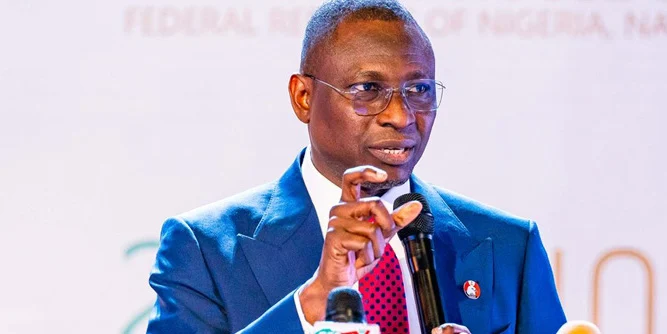
The Chairman of the Economic and Financial Crimes Commission, Ola Olukoyede, has expressed concern over the diversion of students’ fees and other financial irregularities within Nigerian universities, warning that such practices threaten the credibility of the country’s education system.
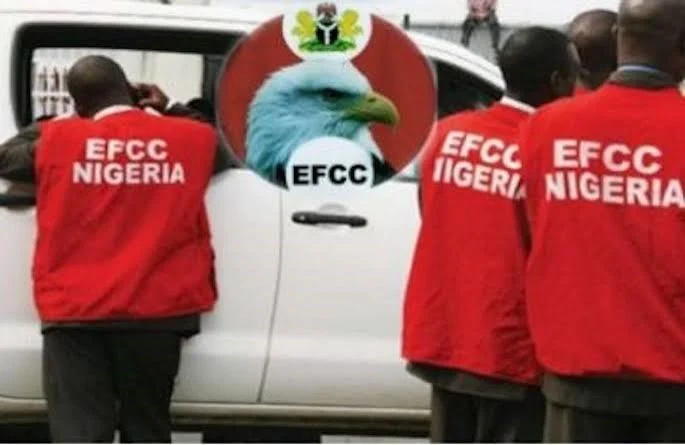
Speaking in Kano at the 8th Biennial Conference of the Committee of Pro-Chancellors of State Universities, Olukoyede revealed that investigations by the commission have uncovered multiple cases of financial misconduct across tertiary institutions.
According to him, “The EFCC has handled cases involving inflated contracts, ghost workers, and the diversion of students’ fees in universities across the country.”
He described these actions as a serious breach of trust, noting that they undermine the confidence parents, students, and taxpayers place in the university system. “Each incident represents not just a financial loss but a betrayal of public trust,” he added.
Olukoyede pointed out that Nigerian universities manage large financial resources, including tuition fees, TETFund allocations, and research grants, yet accountability challenges persist.
To address the issue, he urged university authorities to adopt digital solutions, particularly Artificial Intelligence, to strengthen financial management and curb corruption.
“Artificial Intelligence can play a critical role in fraud detection, automated auditing, payroll monitoring, procurement processes, and even academic integrity systems,” he said.
He further advised governing councils to establish dedicated AI and digital governance committees, develop integrity-focused digital strategies, and invest in infrastructure such as broadband connectivity, cybersecurity systems, and cloud technology.
Highlighting the importance of ethical leadership, Olukoyede stressed that technology alone cannot eliminate corruption.
“No matter how advanced the tools are, their effectiveness depends on the integrity of those who use them,” he stated.
The EFCC chairman also called for stronger collaboration between universities, the commission, and other relevant agencies, particularly in areas of training and intelligence sharing.
“The fight against corruption requires a collective effort. Institutions must work together to build transparent and accountable systems,” he said.