Iran’s Foreign Minister, Abbas Araghchi, has arrived in Russia for high-level talks with President Vladimir Putin, as fragile diplomatic efforts between Tehran and Washington continue to falter.
Araghchi touched down in Saint Petersburg on Monday, according to Iran’s Foreign Ministry, following a series of shuttle diplomacy visits across the region aimed at salvaging peace talks with the United States.
His trip comes amid uncertainty surrounding negotiations, especially after US President Donald Trump cancelled a planned visit by his envoys, Steve Witkoff and Jared Kushner, to Islamabad—where a new round of discussions had been anticipated.
Despite the setback, diplomatic channels appear to remain open. Iranian media reports indicate that Tehran has conveyed written positions to Washington through Pakistan, outlining key demands and red lines, particularly concerning nuclear issues and control of the Strait of Hormuz.
A source familiar with the matter was quoted as saying, “The messages were meant to clarify Iran’s stance and keep communication alive, even if formal talks are paused.”
There are also indications that Iran may be exploring interim solutions. According to reports, a proposal was sent suggesting the reopening of the Strait of Hormuz to ease global economic pressures, while postponing broader nuclear negotiations.
An official briefed on the development noted, “The idea is to de-escalate tensions in the short term by restoring critical trade routes, while leaving more complex issues for later discussions.”
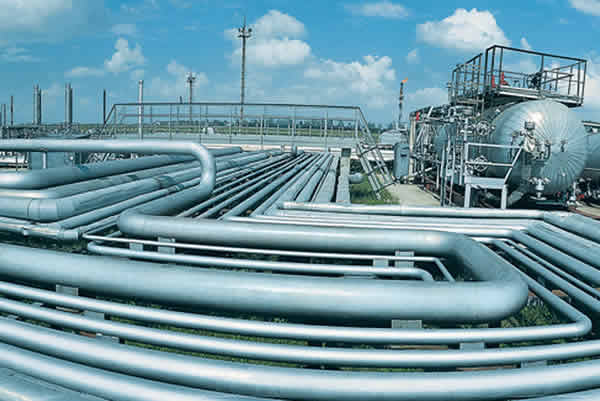
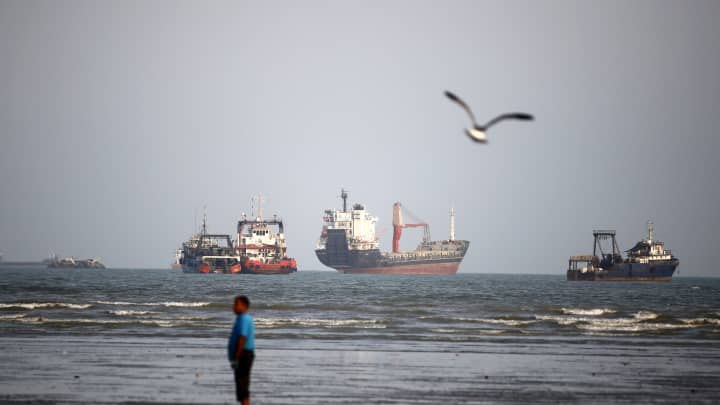
The Strait of Hormuz, a vital global energy corridor, has remained effectively shut, disrupting the flow of oil, gas, and fertiliser. This has triggered a spike in global prices and heightened concerns about food security, particularly in developing economies.
While a ceasefire between Iran and US-aligned forces has largely held, its economic impact continues to ripple across international markets.
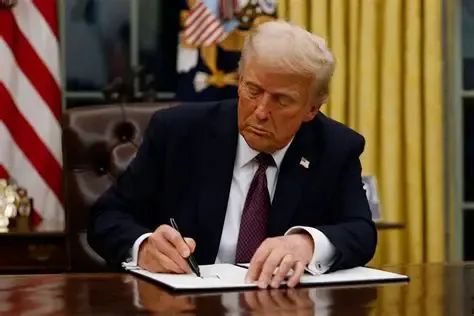
President Trump, facing rising domestic pressure over increasing fuel costs ahead of midterm elections, downplayed concerns that the collapse of the Islamabad meeting signalled renewed conflict.
“It doesn’t mean escalation,” Trump said in a media interview. “If Iran wants to talk, they know how to reach us.”
During his regional tour, Araghchi held meetings with top Pakistani officials, including Prime Minister Shehbaz Sharif and Army Chief Asim Munir, before making a stop in Oman for further consultations.
Speaking about those engagements, Araghchi emphasised the importance of regional stability, saying, “Ensuring safe transit through the Strait of Hormuz is essential—not just for our neighbours, but for the global economy.”
However, Iran’s Revolutionary Guards have struck a more defiant tone, insisting that maintaining control over the strait remains central to the country’s strategic posture.
“This is a key element of our deterrence,” the group said in a statement, suggesting no immediate plans to lift restrictions.
Meanwhile, tensions remain high elsewhere in the region.
In Lebanon, Israel and Hezbollah have traded accusations of ceasefire violations, with fresh strikes reported in the country’s south.
Israeli Prime Minister Benjamin Netanyahu warned that military operations would continue against perceived threats, stating, “We will act not only in response to attacks but also to prevent imminent dangers.”
Hezbollah, on its part, accused Israel of undermining the truce and vowed retaliation if strikes persist.