Cuba president, Miguel Díaz-Canel, has declared that his country has no desire for conflict with the United States, but warned that the country would defend itself and prevail if attacked.
Speaking in military attire before a crowd of loyalists in Havana, Díaz-Canel marked the 65th anniversary of the failed Bay of Pigs invasion, a moment widely seen in Cuba as a defining victory against foreign intervention.
The 1961 operation, carried out by CIA-trained Cuban exiles in an attempt to overthrow Fidel Castro, ended in failure and helped solidify Cuba’s socialist path during the Cold War.
Since then, Cuban authorities have framed it as a symbolic “David versus Goliath” triumph that strengthened the revolution.
Addressing rising tensions with the United States, Díaz-Canel said, “We have to be ready to resist serious threats, including military aggression. We do not seek it, but it is our duty to prepare to avert it, and, should it prove inevitable, to win it.”
He further stressed national resolve, adding, “As long as there is a woman and a man willing to give their lives for the revolution, we will be victorious.”
Supporters at the rally echoed that sentiment, chanting, “We don’t want to be an American colony.”
His remarks came amid escalating rhetoric from Donald Trump, who recently suggested Cuba could become a target after ongoing tensions linked to the Iran conflict.
“We may stop by Cuba after we’re finished with this,” Trump said earlier in the week.
Relations between Havana and Washington have deteriorated sharply, particularly after a U.S. military operation in Caracas reportedly captured Venezuelan leader Nicolás Maduro, a close Cuban ally and resulted in the deaths of Cuban personnel.
Since then, the U.S. has tightened pressure on the island, including restricting oil supplies, worsening Cuba’s already fragile economy.
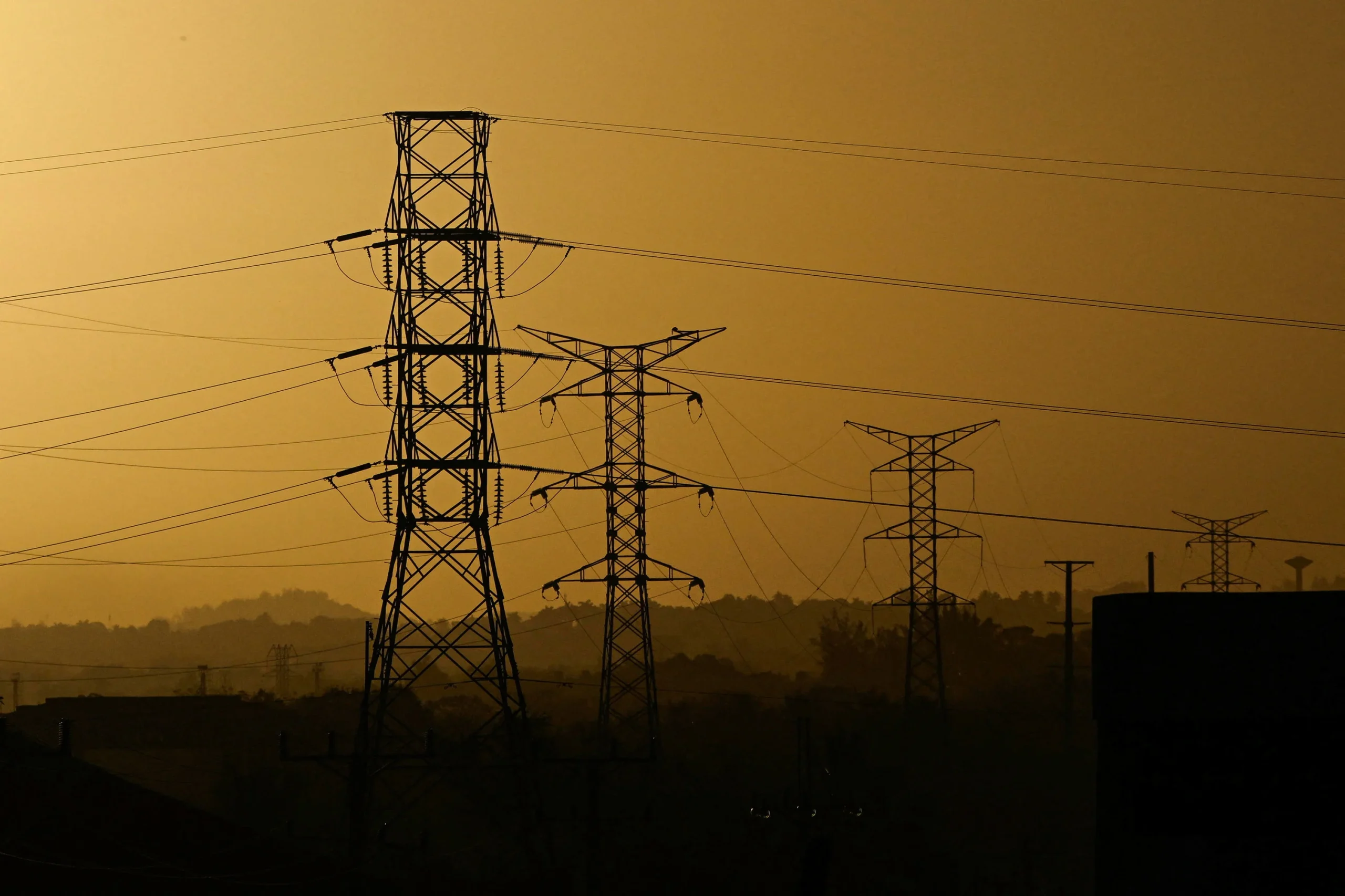
The shortages have led to prolonged blackouts, strained hospitals, and severe fuel scarcity across the country.
Washington has also pushed for political and economic reforms in Cuba, with some officials suggesting leadership changes, including calls for Díaz-Canel to step down.
Despite this, Cuba’s leadership maintains a stance of resistance while leaving room for engagement. Reports indicate that U.S. officials have reached out to figures linked to Raúl Castro, who, despite stepping down in 2021, remains influential behind the scenes.
His daughter, Mariela Castro, confirmed his continued involvement in national affairs, saying, “My father is rigorously following all the news, participating all the analyses for the making of decisions.”
She added that although age has slowed him slightly, “His mind is still active. He is very committed, and his experience is very valuable.”
On the possibility of U.S. military action, she downplayed fears, stating, “We are not alarmed.”
“We are busy,” she said. “We are preparing.”