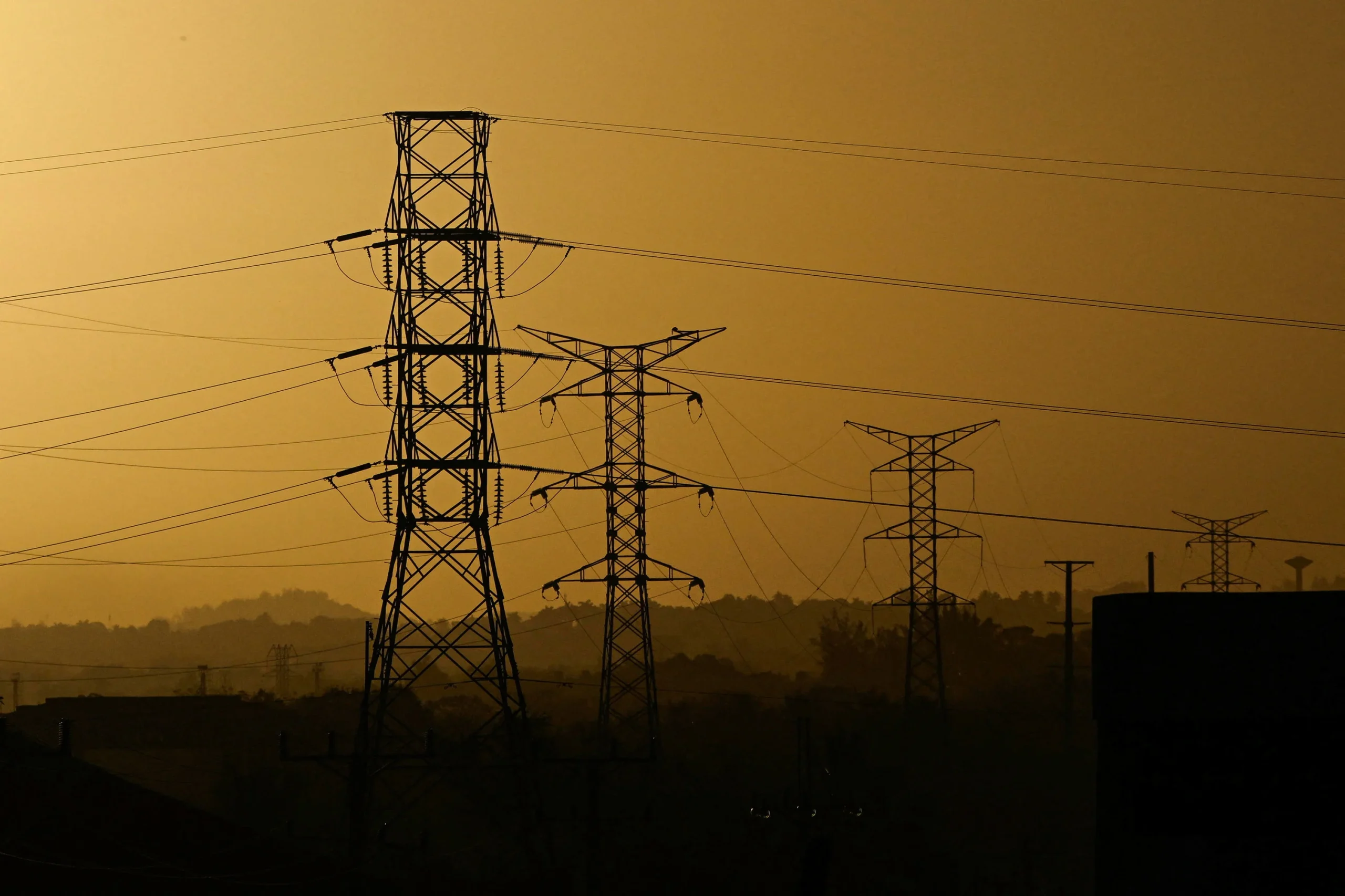
Cuba’s Ministry of Energy said on Saturday evening that the entire island has once again been plunged into a nationwide blackout, leaving more than 10 million residents without electricity.
“A total disconnection of the National Electric System has occurred,” the ministry announced in a post on X, adding that “Protocols for restoration are already beginning to be implemented.”
The latest collapse comes as the country was still recovering from an earlier islandwide outage earlier in the week, the first full-grid failure since intensified disruptions to fuel imports linked to regional geopolitical tensions.
Just before Saturday’s breakdown, the state electricity company had warned of a power shortfall of about 1,704 megawatts during peak demand hours.
Meanwhile, US President Donald Trump has recently made repeated comments about Cuba, suggesting the country is on the verge of collapse and even raising the idea of US control over the island.
In a recent White House remark, he said, “You know, all my life I’ve been hearing about United States and Cuba, when will the United States having the honor of taking Cuba? That’s a big honor,” Trump said from the White House. “Taking Cuba in some form, yeah, taking Cuba, I mean, whether I free it, take it, I think I can do anything I want with it.”
He declined to clarify whether any possible action would resemble past US military operations in Latin America.
Cuban President Miguel Díaz-Canel, speaking to international activists delivering humanitarian aid, said his government recognizes that “there could be an attack on Cuba,” and is preparing for such risks.
He also confirmed ongoing contacts with US counterparts regarding fuel-related negotiations, though Havana insists it will not negotiate over its political system.
Cuba’s energy crisis is unfolding against the backdrop of a decades-long US embargo dating back to 1959, which has contributed to chronic shortages.
The current situation has been worsened by reduced oil supplies from traditional partners, leaving the country struggling to power its aging grid.
The repeated blackouts have severely disrupted daily life across the island, affecting hospitals, schools, food storage, transport, and tourism, while worsening an already deep economic crisis marked by shortages of fuel, food, and basic services.