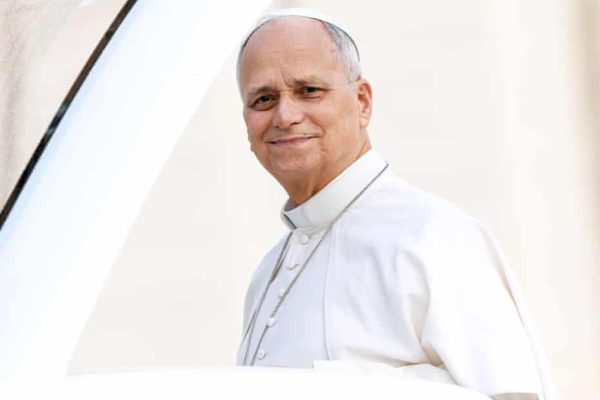
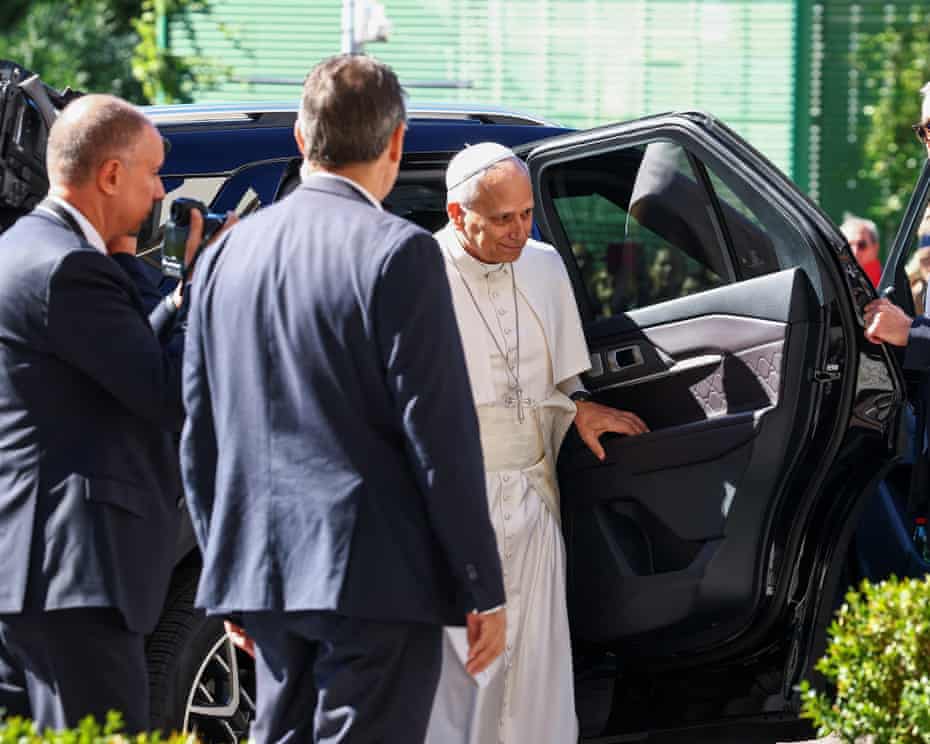
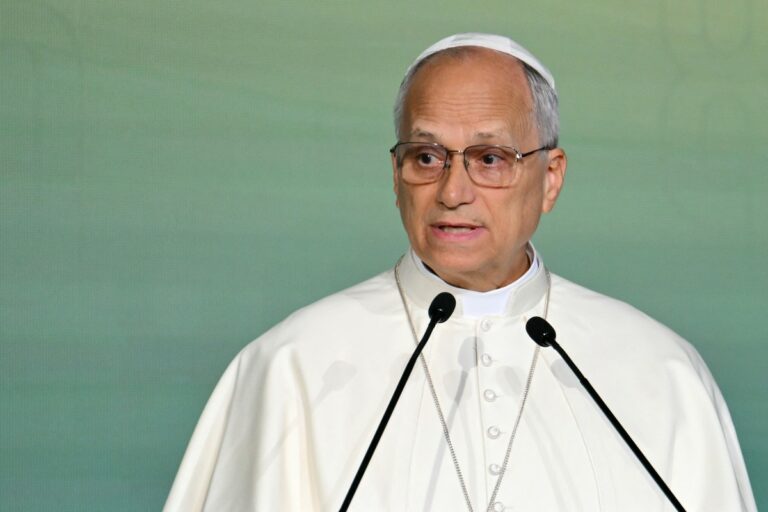
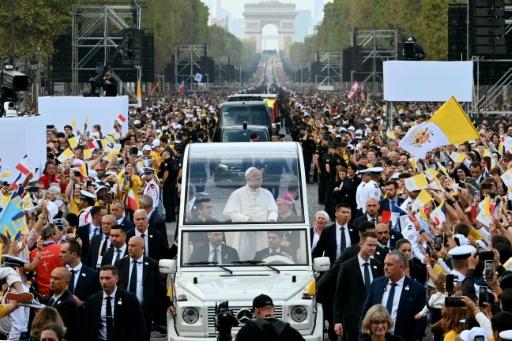
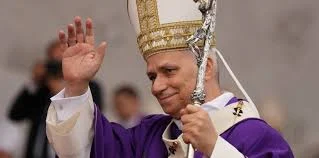
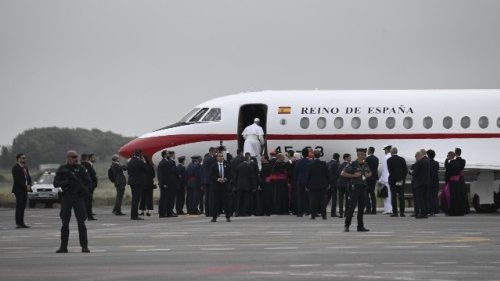
Pope Leo XIV will begin an 11-day tour on Monday, travelling across Algeria, Cameroon, Angola and Equatorial Guinea in what marks his first major overseas journey since assuming the papacy last year.
The US-born pontiff, who leads the world’s 1.4 billion Catholics, is expected to use the trip to promote interfaith dialogue, peacebuilding, human rights and social justice, while also addressing inequality and global tensions linked to conflicts in the Middle East and economic shocks.
Over the course of the visit, he will travel more than 18,000 kilometres, deliver 11 speeches, preside over seven Masses and stop at about a dozen locations.
Since becoming pope in May, Leo has made only a few foreign trips, including visits to Turkey, Lebanon and Monaco. His African tour, running until April 23, is set to be one of his most closely watched engagements yet.
Algeria (April 13–15) – Historic first visit
In Algeria, the pontiff will make history as the first pope to visit the North African nation where Islam is the state religion.
His programme includes a visit to the Great Mosque of Algiers and a meeting with President Abdelmadjid Tebboune.
He is also expected to meet members of the Augustinian order in Annaba, a city linked to St Augustine, whose legacy is central to his religious identity.
Ahead of the trip, Cardinal Jean-Paul Vesco described the pope as “a brother who comes to visit his brothers”.
Leo will also undertake a private prayer at a chapel dedicated to 19 priests and nuns killed during Algeria’s 1992–2002 civil war. Meanwhile, several NGOs have urged him to raise concerns about religious freedom and minority rights with Algerian authorities.
Cameroon (April 15–18) – Focus on peace
In Cameroon, attention will centre on reconciliation efforts in the country’s long-running Anglophone conflict, particularly in the northwest region.
The pope is expected to deliver a major address and celebrate Mass in Bamenda, an area heavily affected by violence and placed under tight security for the visit.
He will also engage with Catholic-run hospitals, schools and humanitarian institutions across the country.
About 37 percent of Cameroon’s 30 million people are Catholic, and the Church has played a mediating role in the crisis.
Leo is also scheduled to meet President Paul Biya, one of the world’s longest-serving leaders.
Angola (April 18–21) – Inequality and resources
In Angola, the pope is expected to highlight issues around poverty, governance and the distribution of wealth in a nation rich in oil and minerals but still struggling with inequality and post-war recovery.
His itinerary includes a visit to the capital Luanda, where stark contrasts exist between wealthy districts and sprawling informal settlements. He will also travel to Muxima, a historic pilgrimage site along a former slave route.
Angola’s Catholic population, which makes up about 44 percent of its citizens, is largely enthusiastic about the visit, although some critics argue the state resources used for the trip could have been better spent on development.
Teacher Rosa Kanga, 42, told AFP: “At the societal level, it represents nothing, because millions of dollars will be taken from the state treasury to prepare, without bringing any benefits to our country,”
Equatorial Guinea (April 21–23) – Sensitive diplomacy
The final stop in Equatorial Guinea will test the pope’s diplomatic balance as he visits a country ruled for decades by President Teodoro Obiang Nguema Mbasogo.
With around 80 percent of the population Catholic, expectations are high, but the political environment remains tightly controlled. Only Pope John Paul II has previously visited the nation, nearly 50 years ago.
In the capital Malabo, authorities have already begun extensive preparations, including widespread display of papal images and promotional broadcasts.
Observers say Leo is expected to carefully combine support for local Catholics with messages on human rights and social justice, without appearing to endorse the government’s authoritarian record.