The British Embassy in the United Arab Emirates has issued a stern warning to Britons visiting the country, advising them to avoid photographing or sharing images that could violate local laws.
The alert follows the detention of a 60-year-old British tourist in Dubai, charged under cyber-crime legislation for allegedly filming Iranian missiles over the city.
The UAE law prohibits the publication or dissemination of material that could disrupt public security.
According to Radha Stirling, CEO of Detained in Dubai, the tourist was found with a video of a strike on his phone.
“British nationals are subject to UAE laws, violations may lead to fines, imprisonment, or deportation,” the embassy stated on X.
The embassy added: “UAE authorities warn against photographing, posting, or sharing images of incident sites or projectile damage as well as government buildings and diplomatic missions.”
Stirling noted that 21 people had been “charged together under the UAE’s cyber-crime laws in connection with videos and social media posts relating to the recent missile strikes.” She suggested the UAE was cracking down on those filming missiles to “maintain the facade that it is safe for tourists.”
Criticism of the government is illegal in the UAE, which maintains strict control over information. Lana Nusseibeh, the UAE’s minister of state to the EU, told the BBC that “the basis of the legislation” on controlling information exists “in order for everyone to feel safe.”
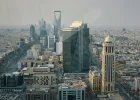
Dubai, long known as a glamorous destination for business and leisure, has not been immune to the ongoing conflict in the Middle East.
The US-Israel war with Iran has now entered its second week, with Iran continuing retaliatory attacks following wide-ranging strikes by the US and Israel that killed the country’s supreme leader on 28 February.
Several of the UAE’s landmark buildings have sustained damage, including the Fairmont The Palm hotel in the luxurious Palm Jumeirah and the iconic Burj Al Arab hotel.