A panel of the United States House of Representatives committees on Appropriations and Foreign Affairs has formally presented a report to the White House outlining findings on insecurity and alleged persecution of Christian communities in Nigeria.
The report was submitted on Monday following months of investigation led by Congressman Riley Moore and Appropriations Committee Chairman Tom Cole, after the United States administration ordered a review of the situation.
Moore, who confirmed the submission in a statement, said the investigation included hearings, consultations with religious leaders, and a fact-finding visit to Nigeria where the delegation met officials including the National Security Adviser, Nuhu Ribadu.
“This report is the result of months of work, including bipartisan visits to Nigeria, discussions with victims of violence and meetings with government authorities,” Moore said.
“We now have a clearer understanding of the security threats facing communities and the urgent need for coordinated action.”
According to him, the report recommends stronger cooperation between both countries to tackle extremist violence and improve civilian protection.
“Strengthening the relationship between our nations is in the interest of both sides,” he said. “Together, we must confront these security challenges and help end violence against innocent people.”
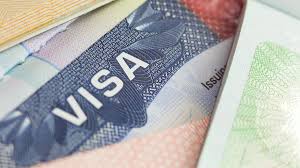
The document reportedly proposes a bilateral security framework between Washington and Abuja, possible sanctions and visa restrictions on individuals linked to religious persecution, and conditional US funding tied to measurable progress on security.
It also calls for technical assistance to Nigerian authorities to address armed groups, alongside cooperation with international partners.
Moore added that the delegation’s visit to displaced persons’ camps and affected communities influenced the panel’s conclusions.
“During our visit, we saw firsthand the humanitarian impact of insecurity and the scale of instability the Nigerian government is trying to contain,” he said.
The Nigerian government has yet to issue an official response to the report as of press time.