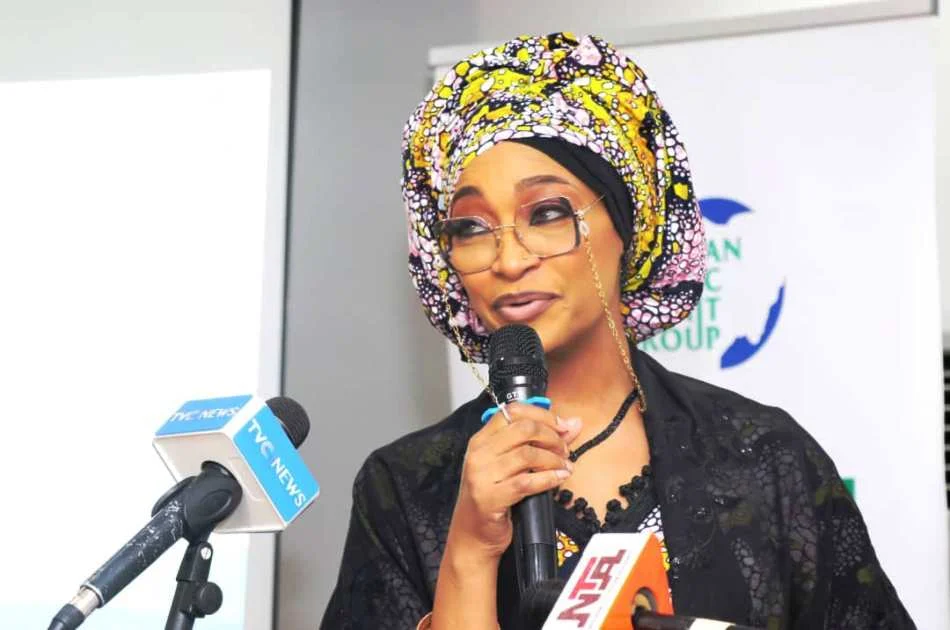
The Miyetti Allah Cattle Breeders Association of Nigeria has denied involvement in terrorism, kidnapping, or cattle rustling, insisting that it has never condoned violent activity in the country.
The statement was made on Sunday by the association’s National President, Alhaja Baba Ngelzarma, during a press briefing in Abuja, addressing concerns over H.R. 7457 – Nigeria Religious Freedom and Accountability Act of 2026, recently introduced in the United States House of Representatives.
The bill proposes sanctions, including visa bans and asset freezes under the Global Magnitsky Human Rights Accountability Act, against individuals and groups alleged to have violated religious freedom, including MACBAN.
“While we acknowledge the sovereign right of the United States to deliberate on human rights, we are deeply concerned by narratives linking MACBAN to terrorism,” Ngelzarma said.
“We categorically reject such insinuations as false, unfounded, and damaging to the integrity of a duly registered national association.”
He stressed that MACBAN, established in 1986, operates openly as a legally registered entity with democratically elected executives and is recognized by federal and state governments for its contributions to livestock development, pastoral welfare, and conflict mediation.
“For over four decades, our members have contributed significantly to Nigeria’s protein supply and rural economy,” Ngelzarma added.
The association’s president also highlighted the vulnerability of pastoralists to criminal attacks.
“In 2025 alone, at least eight of our state leaders were killed by criminal elements. These tragedies show that we are victims of insecurity, not perpetrators,” he said.
Ngelzarma appealed to Nigeria’s Senate Committees on Foreign Affairs and National Security to pass a resolution correcting what he described as the erroneous characterisation of MACBAN and urged diplomatic engagement with the US Congress.
He warned that international blacklisting of legitimate actors could disrupt trade, harm the economy, and marginalize vulnerable communities. “Nigeria’s security architecture must not be undermined by external narratives that disregard domestic judicial processes and lawful institutional status,” he said.
Concluding his statement, Ngelzarma called on media outlets to avoid sensational or stereotype-driven reporting, emphasizing that “complex security challenges require nuanced coverage, not generalised profiling of entire communities.
MACBAN remains committed to national unity, constitutional order, peaceful coexistence, livestock modernisation, and cooperation with security agencies.”