The Economic Community of West African States has partnered Islamic scholars and institutions in a renewed effort to curb terrorism and violent extremism across West Africa and the Sahel.
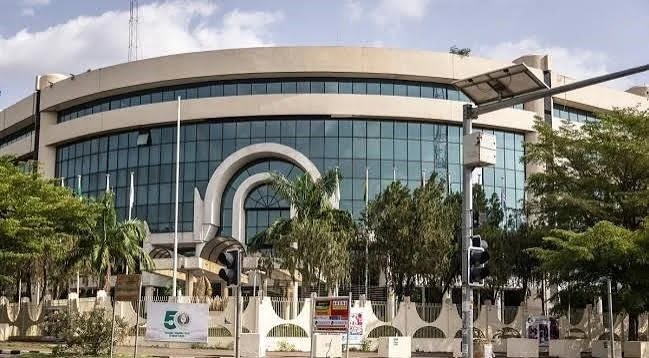
The resolution followed the conclusion of the inaugural West African Islamic Conference on Security and Governance, which held from November 4 to 6 at the ECOWAS Parliament in Abuja.
The conference, themed “The Role of Islamic Organisations in Countering Terrorism in the Sahel,” brought together religious leaders, traditional rulers, policymakers, and delegates from ECOWAS member states and international organisations.
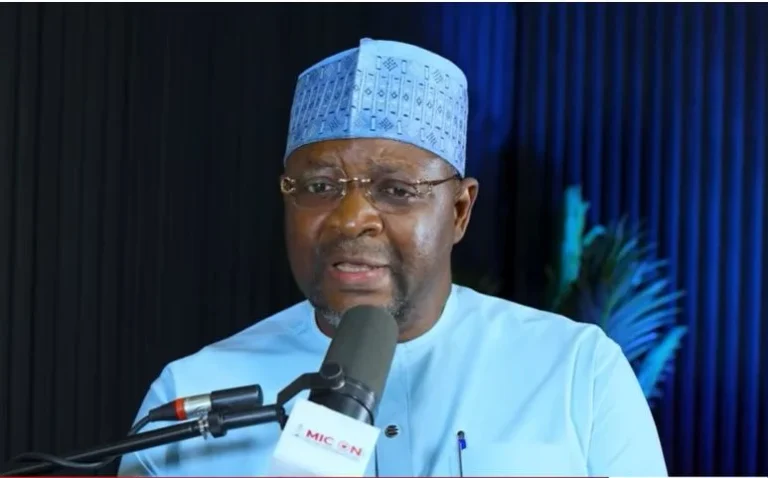
Speaking at the closing session, the President of the ECOWAS Commission, Omar Touray, described the gathering as “a landmark step in strengthening regional cooperation against terrorism.”
Touray expressed concern that the Sahel had become a major hub for extremist groups, noting that recent reports indicated a shift in global terrorism patterns.
“Africa, particularly the Sahel region, has witnessed a dramatic escalation in terrorism,” he said.
“Our approach must combine military strategies with community engagement, education reform, and economic empowerment.”
He stressed the need to modernise traditional Quranic schools to reduce youth exposure to extremist recruitment.
“We must transform these school systems into structured centres of learning and livelihood development,” he added.
Also speaking, the Emir of Kano, Muhammadu Sanusi II, lauded ECOWAS for leading high-level dialogue on peace and stability.
“Your commitment to peace and security is a beacon of hope,” Sanusi said.
“We must work together to build a region where every citizen can live in dignity.”
The African Union High Representative for “Silencing the Guns,” Mohamed Chambas, who delivered the conference’s resolutions, emphasised the need to address the root causes of extremism.
“Poverty, unemployment, marginalisation, and weak governance continue to fuel extremist recruitment,” he noted.
“Authentic Islamic teachings reject all forms of violence and extremism. Our task is to reinforce those values across communities.”
Chambas urged governments, religious institutions, and civil society organisations to uphold commitments under the newly adopted Regional Declaration on Improving Islamic Education and Countering Violent Extremism.
The declaration outlines strategies to reform Islamic educational systems, promote youth empowerment, strengthen cross-border cooperation, and reinforce peacebuilding networks.
Over the last decade, West Africa and the Sahel have experienced a surge in terrorist attacks, with armed groups exploiting weak state presence and social grievances in parts of Mali, Niger, Burkina Faso, northern Nigeria and coastal regions.
The conference featured 11 technical sessions focused on education reform, community resilience, governance, and the socio-economic drivers of terrorism.