The Federal Government has unveiled a comprehensive educational plan aimed at reintegrating over one million out-of-school children across Nigeria into the formal education system.
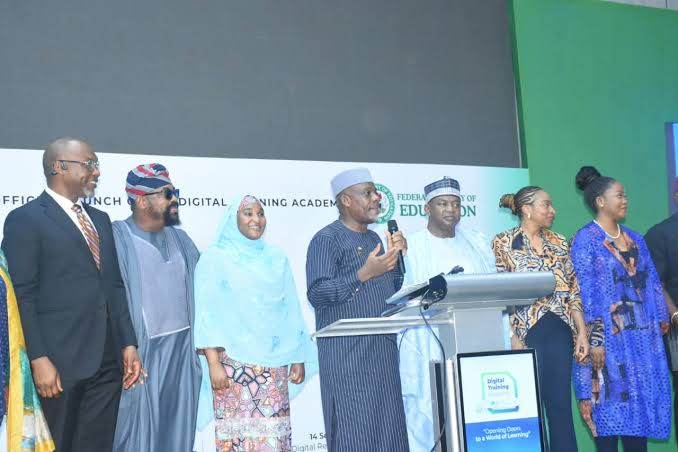
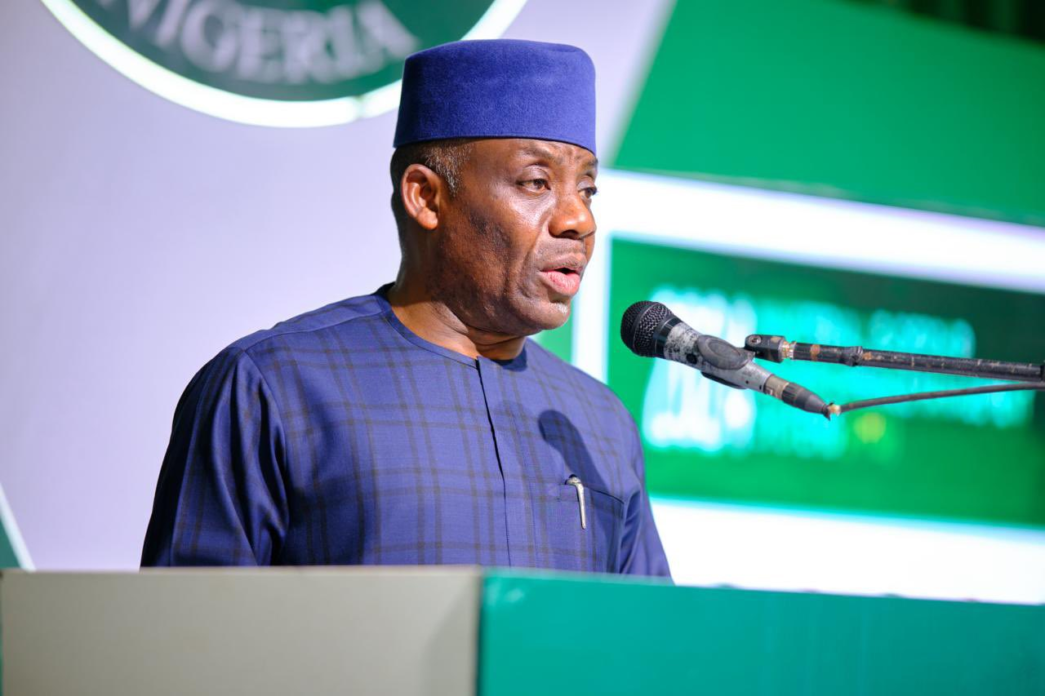
Minister of Education, Dr. Tunji Alausa, made this known during the 69th National Council on Education Summit currently taking place in Akure, Ondo State.
The summit, themed “Quality Education Data and Professionalisation of Teaching: Tools for Enhanced National Development,” focuses on strengthening education through reliable data and professional standards.
Alausa explained that children from 12,600 communities nationwide, particularly those between ages six and nine, would be enrolled in low-cost private schools.
Others, he added, would be absorbed into schools and training centres in collaboration with the Almajiri Commission.
He revealed that more than 21,000 out-of-school children had been identified across Abuja and handed over to the Federal Capital Territory (FCT) Education Secretariat for enrolment.
According to the minister, the government has so far established 109 functional learning centres and transit schools across the 36 states and the FCT, enrolling 15,224 learners through an ongoing enrolment drive.
Alausa also disclosed that a hybrid curriculum has been introduced, combining Quranic education with literacy, numeracy, and civic education to integrate Quranic learning with formal schooling.
He added that the President Bola Ahmed Tinubu Legacy Skills and Training Institute had become a model centre for providing employable skills to Almajiri children and out-of-school youths.
The minister urged participants at the summit to commit to building an inclusive, data-driven, and globally competitive education system anchored on professionalism.
In his remarks, Ondo State Governor, Mr. Lucky Aiyedatiwa, commended President Bola Tinubu’s vision and reforms in education and human capital development.
“I salute his vision and policy reforms in the education sector, most especially the Nigerian Education Loan Fund which has provided financial assistance to more than 624,000 Nigerian students in our public tertiary institutions.
“This commendable effort from Mr President has gone a long way in reducing disparity in access to quality education between both the children of the rich and that of the poor,” he said.
Aiyedatiwa said the summit’s theme aptly addresses the current challenges facing Nigeria’s education sector and presents a roadmap for sustainable reform.
He called on all stakeholders to work together in creating a data-driven education ecosystem that encourages equity, innovation, and excellence.
The governor also decried the lack of recognition accorded to the teaching profession in Nigeria, urging that teachers’ welfare, professional development, and merit-based reward systems be prioritized.
“We must collectively restore the dignity of the teaching profession by elevating its standards, enhance welfare for the teachers, rewarding merit and ensuring continuous professional growth,” he said.
He added that his administration had made significant investments in digital education and technology-driven learning tools to equip learners with 21st-century skills.
Minister of State for Education, Prof. Suwaiba Ahmad, said the 69th council meeting was designed to reposition Nigeria’s education system in line with international best practices.
She assured that the resolutions reached at the summit would be implemented to address pressing challenges in the sector.
Also speaking, the Ondo State Commissioner for Education, Science, and Technology, Prof. Igbekele Ajibefun, expressed the state’s support for the Federal Government’s data-based reforms.
Ajibefun highlighted the state’s efforts to create a conducive learning environment through digital innovations and urged participants to contribute meaningful ideas for advancing Nigeria’s education system.