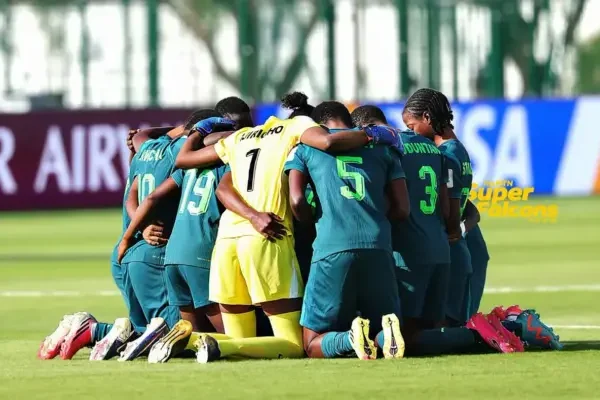
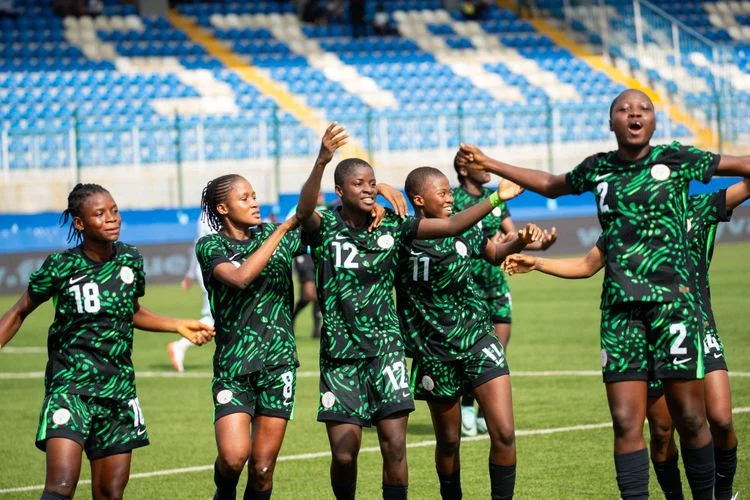
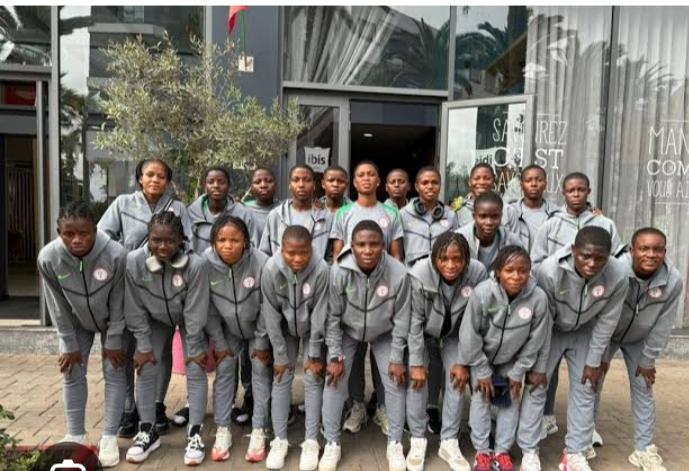
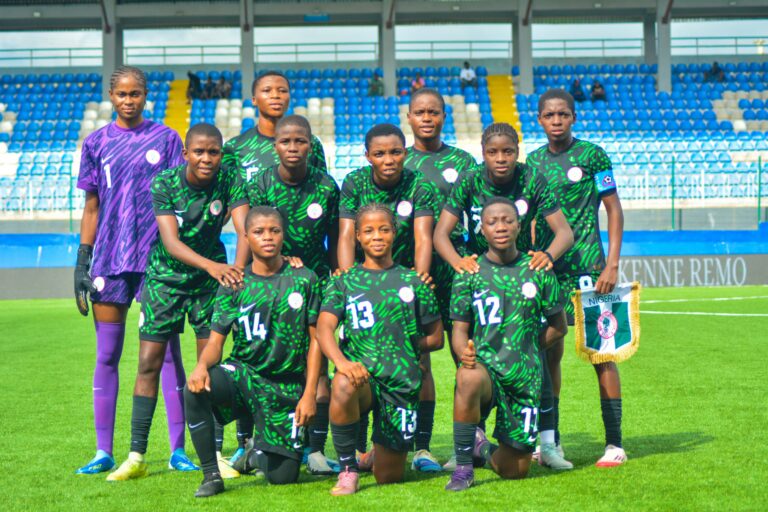
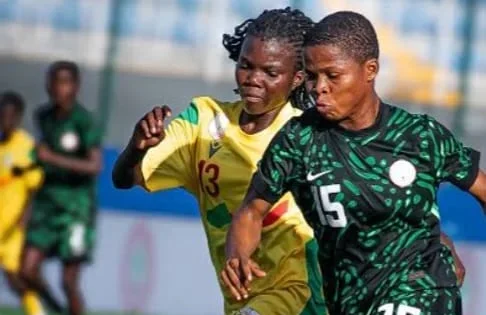
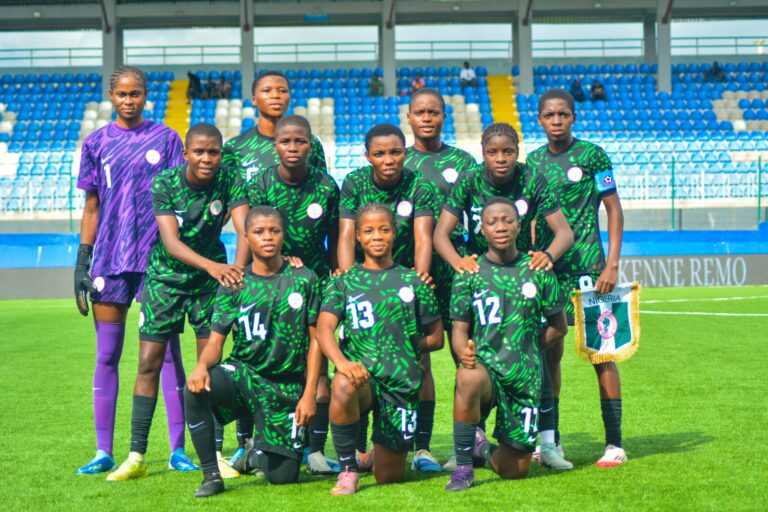
Head coach, Bankole Olowookere, has tendered a heartfelt apology to Nigerians after the Flamingos crashed out of the FIFA U-17 Women’s World Cup in Morocco following a 4–0 defeat to Italy in the round of 16.
“I just have to tender my apology to our fans all over the world,” Olowookere said after the game.
“We are sorry that our journey in this tournament has come to an end. However, there are lessons for us to learn and benefits to take away as well. The exposure and experience the girls have gained here are very important.”
It was a tough night for Nigeria, who had shown flashes of promise in the group stage but were outclassed by a well-drilled Italian side.
Anna Copelli opened the scoring just before halftime, and the second half turned one-sided as Caterina Venturelli, Giulia Robino, and Rachelle Giudici added further goals to seal the Flamingos’ exit.
Olowookere acknowledged the pain of the result but emphasized the broader perspective, describing it as part of a long-term development journey.
“The World Cup is over, but their future lies ahead. The end of this tournament does not mean the end of their football careers. They must see this as a learning experience,” he noted.
The coach refused to shift blame, instead praising his players’ resilience and commitment throughout the campaign.
“I give credit to them. I cannot blame them. They tried their best. They are young girls who are still developing themselves, and I believe there are good lessons to learn from this tournament. It’s not a total loss. That’s why they came, to gain experience and improve,” he said.
While Nigeria entered the tournament as 2022 bronze medallists, the team arrived with a new generation of players, many of whom had limited international experience.
For Olowookere, that lack of exposure underscored the importance of consistent development structures.
“Some of them are still very young and just beginning to understand what it means to play at this level. This kind of exposure will go a long way in shaping their careers and making them future superstars,” he added.
Looking ahead, Olowookere stressed the need to maintain continuity and momentum beyond the World Cup.
“This may be the end of the road for Nigeria in this World Cup, but the journey starts now. We have to keep the girls busy, keep improving them, and continue to produce more players because, compared to the boys, they are catching up fast.”
He commended FIFA’s initiative in expanding opportunities for young female players, saying consistent competition will quicken the growth of women’s football in Nigeria and across Africa.
“In the next five years, you will see more talented players emerging, competing strongly with the boys. I am happy that FIFA has taken this initiative. It is a great opportunity for the girl child, and they will take advantage of it to develop further.”
With the U-17 Women’s World Cup now set to become an annual event, the Flamingos will soon begin qualification for the next edition, a change that offers both pressure and potential.
The defeat in Morocco may sting, but for Nigeria, the true measure lies in how quickly they rebuild and respond.
The race for the future, Olowookere insists, has only just begun.