At least 21 states in Nigeria have earmarked about N133 billion for security votes in 2025, even as killings, kidnappings, and violent attacks continue to ravage communities across the country.
According to The PUNCH, findings from the second-quarter budget performance reports of the states reveal that Borno made the largest provision with N32.8bn, followed by Benue (N15.6bn), Ondo (N11.5bn), and Delta (N10.6bn). Adamawa and Bauchi committed N8.2bn and N8bn respectively, while Zamfara also set aside N8bn.
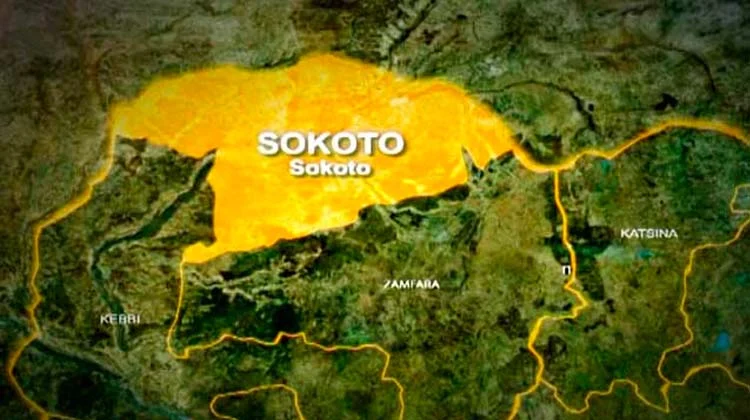
Others on the list include Kano (N5bn), Sokoto (N5.5bn), Katsina (N4.4bn), Nasarawa (N4bn), Kogi (N4.3bn), Bayelsa (N4.8bn), and Cross River (N3bn). The lowest allocations were made by Jigawa (N807m), Lagos (N596m), Taraba (N503.8m), and Kwara (N350m).
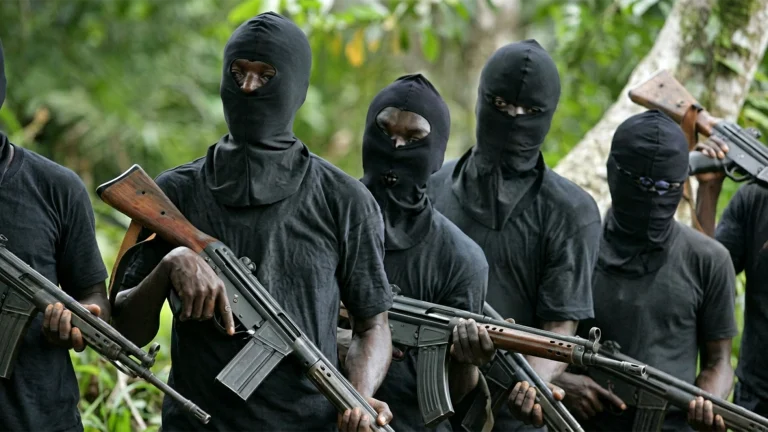
The development comes against the backdrop of recurrent bloodshed in states. In recent weeks, at least six villagers were killed in Ikn’gwakap, Bokkos Local Government Area of Plateau State, while over 60 people, including five soldiers, were massacred by Boko Haram insurgents in Darajamal, Borno State. In August, bandits also killed 32 worshippers during dawn prayers at a mosque in Katsina State.
Despite the huge security allocations, many Nigerians remain sceptical about their impact. Critics argue that the funds—created during the military era as discretionary allocations to governors—are often shrouded in secrecy.
The National Coordinator of the Coalition of Northern Groups, Jamilu Charanchi, told Saturday PUNCH that the funds have not translated into improved security or development.
He queried: “What is a security vote? What are they doing with it? Don’t we still have killings in the North? Don’t we still have bad roads and hospitals that cannot serve the people? Governments cannot provide electricity, health care, or education. What are they really doing with this money?”
Charanchi further alleged that poverty is a key driver of insecurity in the North and accused state leaders of benefitting from the system. “Our people remain poor and unsafe, while those in power enjoy the cover of these so-called security votes,” he added.