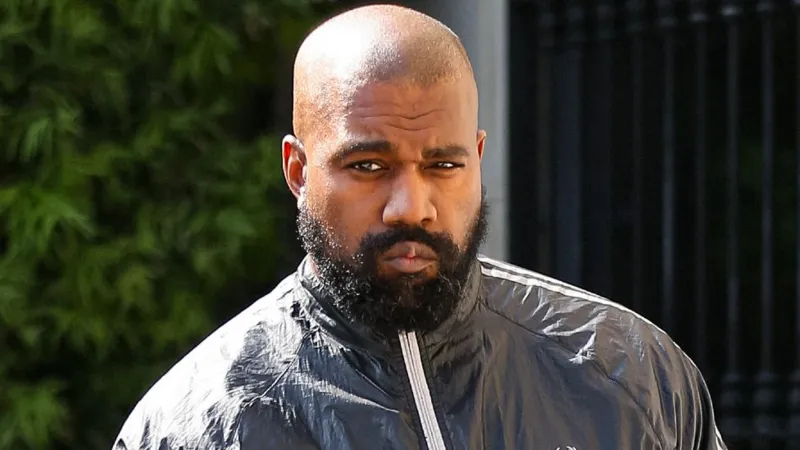
The Wireless music festival has been cancelled after Ye, the artist formerly known as Kanye West, was refused entry into the UK, amid a growing political backlash over his past antisemitic comments.
Ye applied to enter the UK through an Electronic Travel Authorisation on Monday, but officials blocked his request. Following the government’s decision, festival organisers confirmed that the July event would not proceed, and ticket holders will receive refunds.
A festival spokesperson said, “The Home Office has withdrawn Ye’s ETA, denying him entry into the United Kingdom. As a result, Wireless festival is cancelled and refunds will be issued to all ticket holders.
“As with every Wireless festival, multiple stakeholders were consulted in advance of booking Ye and no concerns were highlighted at the time. Antisemitism in all its forms is abhorrent, and we recognise the real and personal impact these issues have had.
“As Ye said today, he acknowledges that words alone are not enough, and in spite of this still hopes to be given the opportunity to begin a conversation with the Jewish community in the UK.”
It is reported that Ye’s travel application was initially approved online but later rescinded after review, on the grounds that his presence “would not be conducive to the public good.”
The rapper has faced widespread criticism for his antisemitic remarks, including expressing admiration for Adolf Hitler. Last year, he released a song titled Heil Hitler and also advertised a swastika T-shirt on his website.
In January, Ye took out a full-page advert in the Wall Street Journal, apologising for his antisemitic behaviour and attributing his actions to bipolar disorder.
On Tuesday, he said he was willing to “meet and listen” to members of the UK’s Jewish community.
Over the weekend, Labour leader Keir Starmer joined in criticising the festival, calling it “deeply concerning” that Ye had been booked to perform “despite his previous antisemitic remarks and celebration of nazism.”
On Monday evening, Melvin Benn, managing director of Festival Republic, which promotes Wireless, said Ye “intended to come in and perform,” stressing that organisers were “not giving him a platform to extol opinion of whatever nature, only to perform the songs that are currently played on the radio stations in our country and the streaming platforms in our country and listened to and enjoyed by millions.”
Downing Street came under pressure on Tuesday to clarify Ye’s visa status. The Prime Minister’s official spokesperson said, “We’ve been clear that his permission to enter the UK is under review as we speak. All available options remain on the table.
“Decisions are taken on a case-by-case basis in line with the law and the evidence available, but where individuals pose a threat to public safety or seek to spread extremism, the government has not hesitated to act, and that includes cancelling permission to enter this country for extremist preachers and far-right figures.”
Before the ban was announced, Phil Rosenberg, president of the Board of Deputies of British Jews, said the organisation would be willing to meet Ye if he withdrew from Wireless.
“It has been less than a year since Kanye West released a song entitled Heil Hitler, the culmination of three years of appalling antisemitism. He also made a number of deeply offensive comments about the black community, saying that the 400-year experience of slavery was ‘like a choice’,” Rosenberg said.
“Even while claiming remorse today, his latest album includes a track first released last year with the abhorrent title Gas Chamber.”