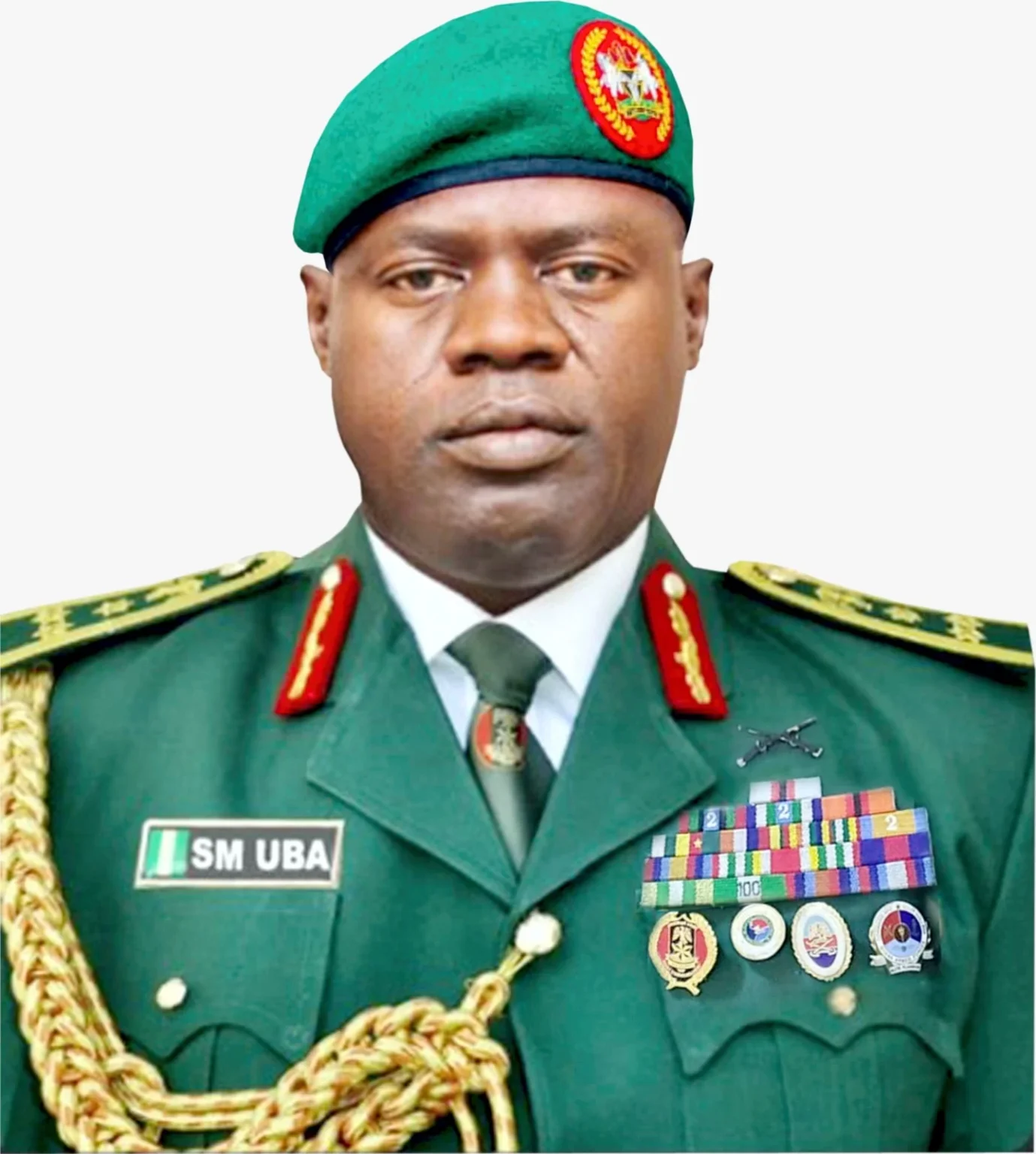
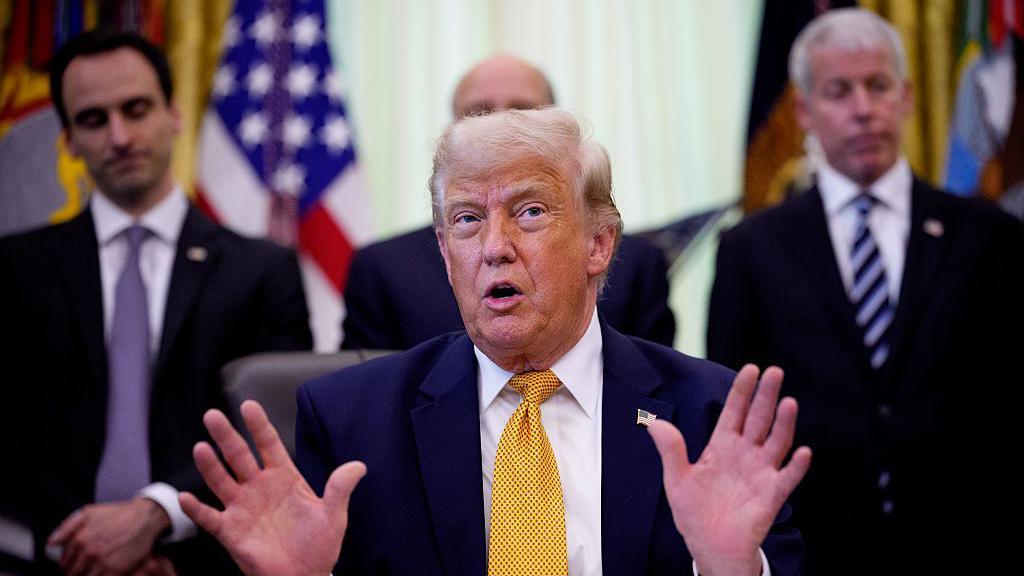
The Defence Headquarters has clarified that ongoing military assistance from the United States to Nigeria is being provided at no financial cost and does not compromise the nation’s sovereignty.
The clarification follows the recent arrival of about 100 United States military personnel and related equipment in the country. According to military authorities, the deployment was the outcome of engagements between Nigerian and American defence officials.
Addressing journalists in Abuja during a briefing on military operations, the Director of Defence Media Operations, Maj. Gen. Michael Onoja, said the collaboration is strictly focused on training and strengthening Nigeria’s counter-terrorism efforts.
“The American government is interested in combating terrorism, and the assistance being rendered to Nigeria comes at no cost,” Onoja stated.
He dismissed concerns that the presence of foreign troops could undermine Nigeria’s independence, insisting that the country’s territorial integrity remains fully protected.
“Our sovereignty is intact. Our territorial integrity is intact. Nobody is giving away our sovereignty,” he said.
Onoja urged the public to assess the partnership based on its operational benefits rather than the number of foreign personnel involved.
He added that the cooperation over the past two months has already begun to produce measurable gains in ongoing security operations.
He explained that the US personnel are largely engaged in training programmes, similar to the arrangements under which Nigerian military officers receive training abroad.
“There is no basis for concern. We go for training abroad all the time. This is simply a training programme,” he noted.
The defence spokesman also reassured citizens that military commanders and security chiefs in affected regions remain in control of the security situation and are taking proactive steps to prevent further attacks.
Calling for responsible reportage, Onoja cautioned media organisations against amplifying terrorist activities in ways that could generate fear or inadvertently serve insurgent propaganda.
On the Federal Government’s de-radicalisation and rehabilitation initiative for surrendered insurgents, known as Operation Safe Corridor, Onoja acknowledged that the programme is currently undergoing review.
“Operation Safe Corridor was designed in collaboration with the Borno State Government and relevant federal ministries to de-radicalise individuals who surrendered,” he said.
“For a period, the programme recorded notable success. However, like any human initiative, challenges have emerged, and there is a need for review.”
He emphasised that insurgents remain Nigerian citizens under the law and should be given the opportunity for rehabilitation where possible.
“In the laws of war, Boko Haram fighters are still considered Nigerians. They may have erred, and they will account for their actions. But if we have the opportunity to rehabilitate them, are we saying we should not?” he asked.
Onoja assured that concerns raised by members of the public have been noted and that updated operational directives would be announced after the review is completed.
He also addressed state-level peace initiatives, explaining that while governors may adopt security strategies suited to their states, such measures must align with federal security frameworks and receive appropriate authorisation.
“Some states have the right to take necessary actions to secure their territories. However, they cannot do so without the authorisation of the Office of the National Security Adviser,” he said.
He reaffirmed that the Armed Forces of Nigeria remain committed to implementing federal government security policies and will continue to support lawful initiatives aimed at restoring peace across the country.