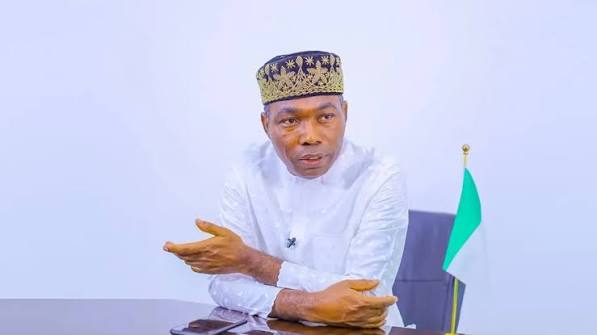
The presidential candidate of the Social Democratic Party, Adewole Adebayo, has criticised the Senate’s decision not to investigate military spending, describing the move as a setback to transparency in the management of Nigeria’s security budget.
Adebayo said it was unacceptable that lawmakers declined to probe defence expenditure despite rising insecurity across the country, insisting that public funds allocated to security must be properly accounted for.
Speaking with journalists in Abuja on Monday, he argued that concerns about troop morale should not be used as a reason to avoid scrutiny of how defence funds are spent.
“The issue is not just budgeting money for defence; it is whether the money is properly utilised,” he said, adding that Nigerians deserve clarity on how security resources are managed.
He further claimed that huge allocations to the security sector had not translated into improved safety, questioning the effectiveness of current spending patterns.
According to him, “The money budgeted for security does not seem to reflect in outcomes,” as he urged stronger legislative oversight.
Adebayo also criticised the government’s approach to insecurity, including the reintegration of repentant militants, arguing that more effective strategies are needed to protect affected communities.
On electoral reform, he called for constitutional changes to guarantee full independence for the Independent National Electoral Commission, arguing that presidential appointment of electoral officials weakens public trust in elections.
He said, “INEC cannot be truly independent when those in power appoint its leadership,” calling for a more autonomous electoral system.
His comments follow the Senate’s rejection of a motion to investigate military spending during deliberations on worsening insecurity.
While some lawmakers supported the proposal, others argued it could undermine ongoing military operations.
Senate leadership later defended the decision, maintaining that probing defence expenditure during active security operations would be counterproductive, though they stressed that oversight of public funds remains important.
The Senate ultimately adopted resolutions on insecurity without approving a formal investigation into military spending.