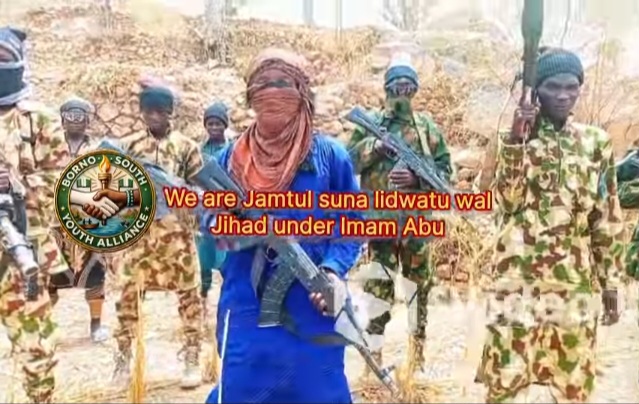
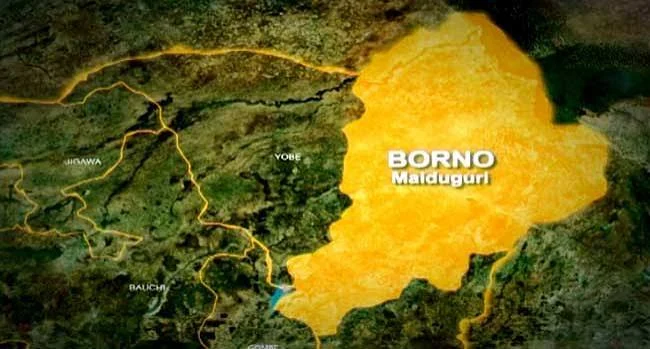
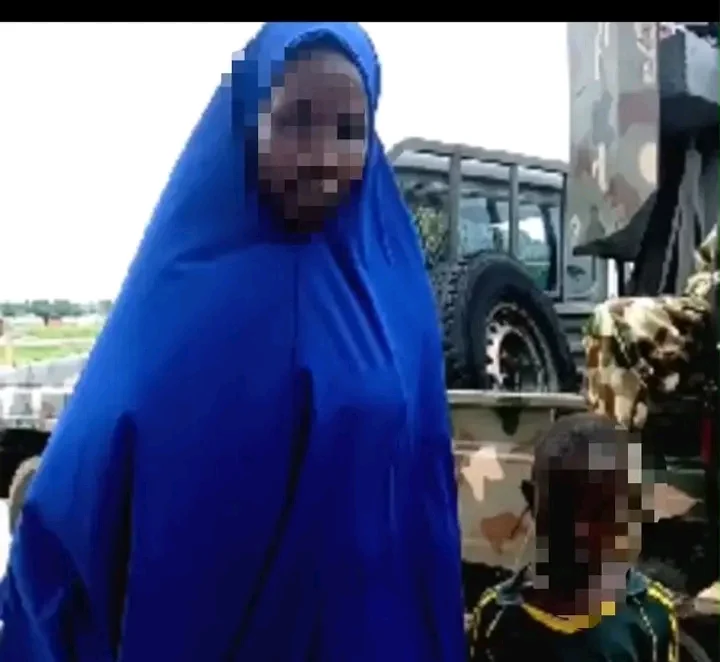
The Borno State Government has assured residents that former terrorists undergoing rehabilitation and reintegration are unlikely to return to violent activities, citing a strict deradicalisation process that includes swearing an oath with the Quran.
The Commissioner for Women Affairs and Social Development in Borno State, Zuwaira Gambo, disclosed this during an interview on News Central Television aired on Monday, where she addressed concerns over the reintegration of ex-insurgents into society.
According to Gambo, individuals enrolled in the state’s rehabilitation programme pass through several stages before being reintegrated, with the final phase requiring them to swear an oath on the Quran — a step she described as spiritually binding.
“When they come to us through all the processes of the Borno model, the last thing they do is take an oath with the Quran. Once you swear by the Quran, you understand the implications,” she said.
Responding to concerns that some rehabilitated individuals may return to the bush, Gambo said those fears, though understandable, may be overstated.
“People assume they will go back to the bush. While some may think that way, they are considered dead on arrival. Once someone leaves the insurgency and surrenders to constituted authority, they are often viewed as infidels by those still in the group,” she stated.
Despite defending the reintegration framework, the commissioner acknowledged that the programme continues to face challenges, especially in the area of funding.
“The challenge, of course, has to do with funding. When you bring many people into the programme, you have to feed, clothe, educate and provide other necessary support for them,” Gambo added.
The comments come amid growing public debate over the Federal Government’s De-radicalisation, Rehabilitation and Reintegration programme, known as Operation Safe Corridor.
In April, 744 former insurgents reportedly completed the programme and were prepared for reintegration into society. Of the total number, 597 were from Borno State, while others came from Adamawa, Yobe, Kano and other states affected by insurgency.
The development sparked criticism from stakeholders who questioned the transparency of the process and raised concerns about justice for victims of extremist violence.
President of the Nigerian Bar Association, Afam Osigwe, said reintegration policies should not ignore the pain of affected communities.
“Reintegrating individuals who may have committed violent crimes without addressing the suffering of victims could create the impression that perpetrators are being prioritised over those harmed,” he said.
Similarly, the Country Director of Amnesty International Nigeria, Isa Sanusi, called for greater openness in the programme, stressing that the government should clearly disclose the background and level of involvement of those being reintegrated.
“There are concerns that some people described as repentant may return to violent activities. The government must be transparent about who these individuals are and the roles they played,” Sanusi said.