A pornographic website, Motherless, which has drawn international scrutiny over allegations that it hosts material linked to gender-based violence and drug-facilitated sexual assault, has been taken offline by Dutch authorities following increasing pressure triggered by a CNN investigation.
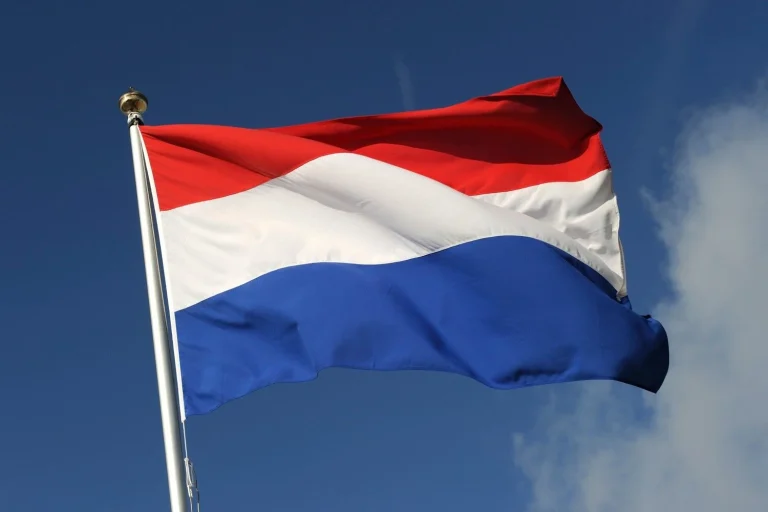
A spokesperson for the Dutch Public Prosecution Service confirmed to CNN that the platform was shut down by authorities in the Netherlands, adding that prosecutors in Zeeland-West-Brabant have launched a preliminary investigation.
The site appeared to have gone offline on Thursday evening. Motherless had been hosted on servers in the Netherlands, operated by NFOrce Internet Services, a company based in Steenbergen in the country’s south.
Public attention intensified after CNN published an investigation into a wider online network, highlighting how the platform, alongside associated Telegram groups, was allegedly used to distribute non-consensual imagery and content linked to drug-facilitated sexual assault.
Earlier reporting by journalists in Germany and Canada also identified thousands of videos showing unconscious women appearing to be sexually abused.
Dutch broadcaster NOS reported that Motherless had been hosted on Dutch infrastructure since at least 2024. In the aftermath of CNN’s findings, its reporting on the Netherlands’ connection to the site added pressure on authorities to intervene.
NOS and the current affairs program Nieuwsuur also analyzed around 20,000 videos featured on the platform’s homepage.
They found that content tagged “incest” by users ranked among the most viewed categories, while one of the most-watched clips in recent days carried tags including “rape,” “sister” and “school girl.”
CNN further reported that the platform hosted more than 20,000 videos labeled as so-called “sleep” content, uploaded by users and categorized with tags such as #passedout and #eyecheck as of late March 2026.
Although some of those labels were later removed, material appearing to depict drug-facilitated sexual abuse remained visible this week.
NFOrce Internet Services said in a Thursday statement that it had begun an urgent compliance and abuse-handling review and gave Motherless 12 hours to respond.
The company also stated that it “does not operate, manage, moderate, or control customer platforms or their content.”
“Our role is limited to infrastructure services. Abuse handling is performed based on reports received through established legal and operational procedures,” it said, adding that specific URLS need to be reported to the “appropriate abuse handling channels” in order to review and address allegations of illegal content.
The removal of Motherless marks a significant step in ongoing efforts to tackle the spread of non-consensual material online.
Robbert Hoving of Offlimits, a Dutch independent online safety organisation, told CNN it was “a very important signal” from authorities that “websites normalizing sexual violence against woman, and turning that into a business model, are taken down.”
However, he warned that regulators must “proactively act. Not wait until it has happened by just taking content down.”
British survivor Zoe Watts, who experienced drug-facilitated sexual assault and spoke to CNN during its investigation, said, “To even contemplate that the site was out there to begin with, women systematically being abused, is absolutely disgusting. But to see what the power of our standing united and good reporting has done is absolutely incredible.”
Despite the takedown, experts and advocacy groups caution that such platforms often reappear by shifting domains or relocating servers.
Similar patterns have been observed in past cases, including sites that re-emerge under new branding or jurisdictions after enforcement action.
Motherless, which reportedly recorded nearly 82 million visitors in March and draws a large share of its audience from the United States, describes itself as a “moral free file host where anything legal is hosted forever.”
Its domain is registered in the Czech Republic, while its parent company is based in Costa Rica – a structure that reflects a broader trend among platforms accused of hosting illegal or abusive material, using multiple jurisdictions to complicate regulatory oversight.
“It would be very problematic if the site comes up again,” Hoving said, adding: “The people responsible should be held accountable, and it shouldn’t stop with just taking it down.”