The death toll from devastating glacial floods in Nepal and neighbouring Tibet has risen to at least 903, while 4,247 people remain missing in Nepal alone, as rescuers continue a desperate search for survivors nearly a week after the disaster.
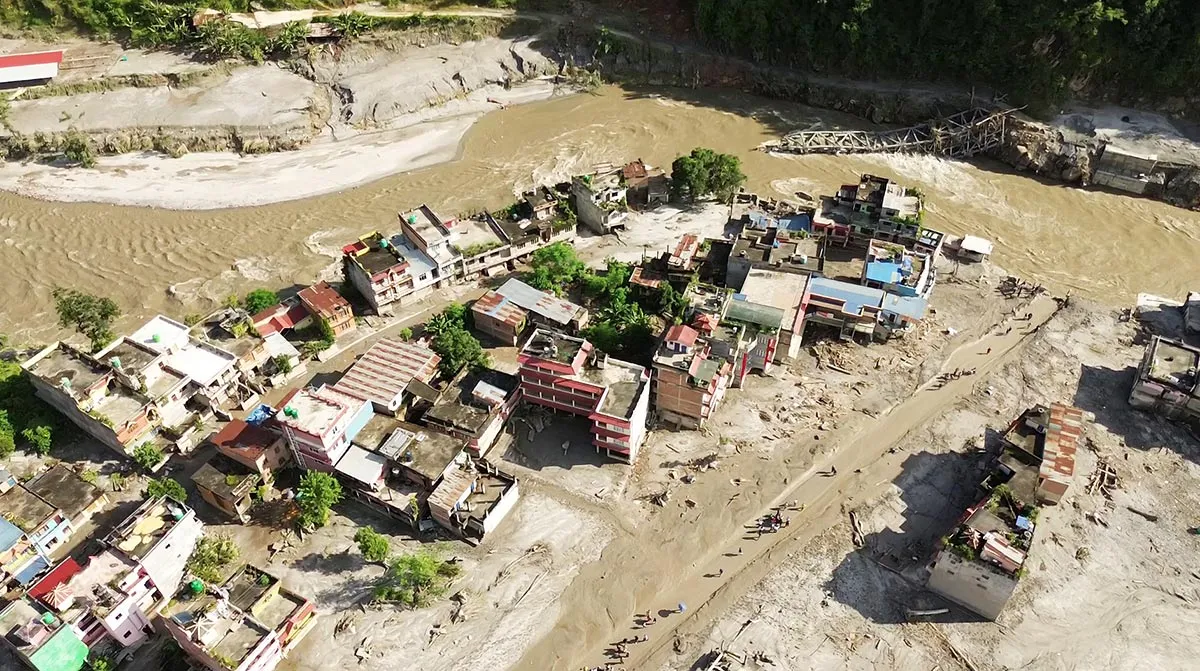
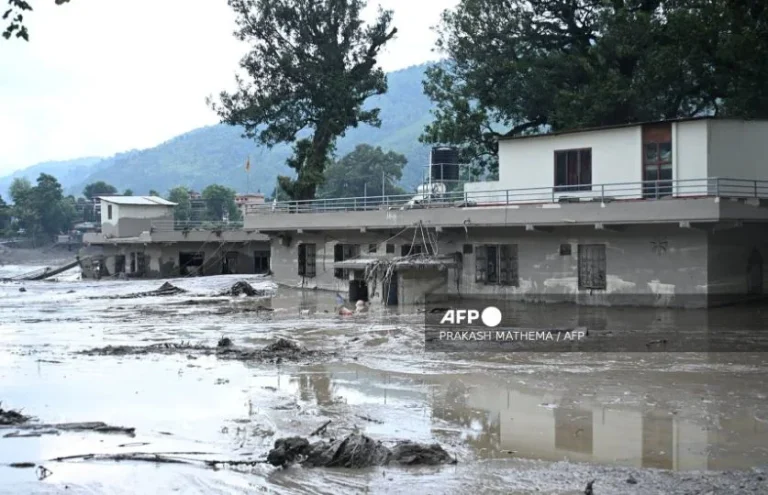
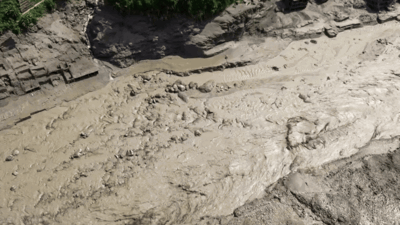
The massive floods, triggered by a glacial collapse along the China-Nepal border, sent torrents of freezing water, rocks and debris into villages and towns, destroying homes, roads, bridges and power facilities.
At least 17 bodies have also been recovered from rivers downstream in India, adding to the mounting number of casualties from the disaster.
Nepali authorities said hundreds of recovered bodies have been identified through DNA sampling, with some victims being buried in mass graves as mortuaries struggle to cope with the scale of the tragedy.
The disaster has also left hundreds of families desperately searching for missing relatives, while rescue teams race against time to locate people believed to be trapped beneath mud and debris.
Nepal’s Prime Minister Balendra Shah described the situation as “unimaginable and heartbreaking”.
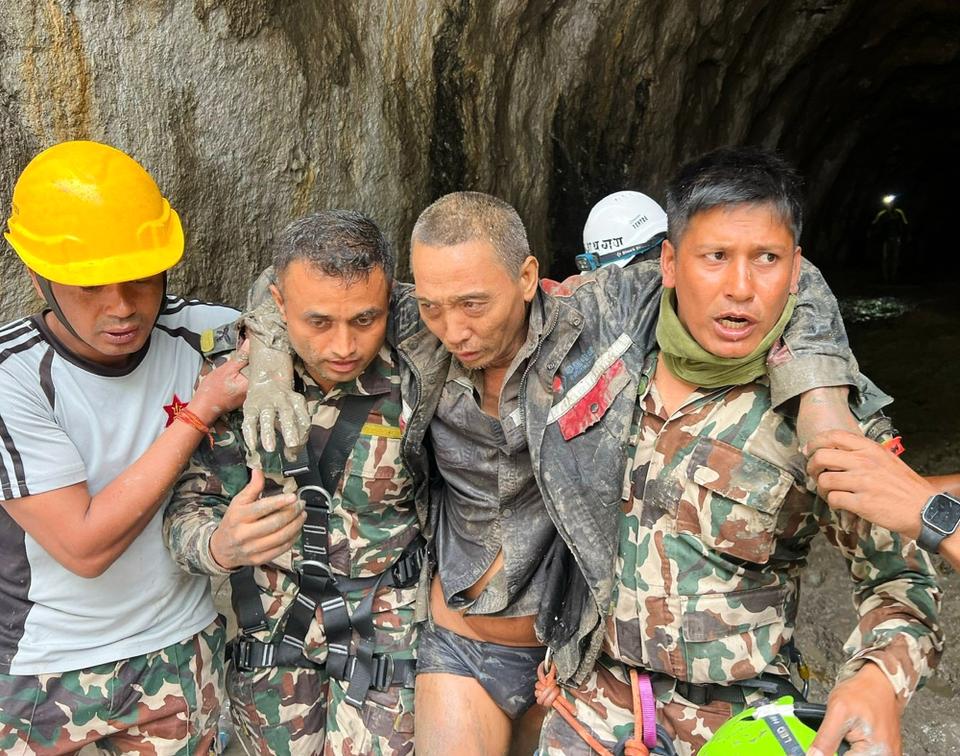
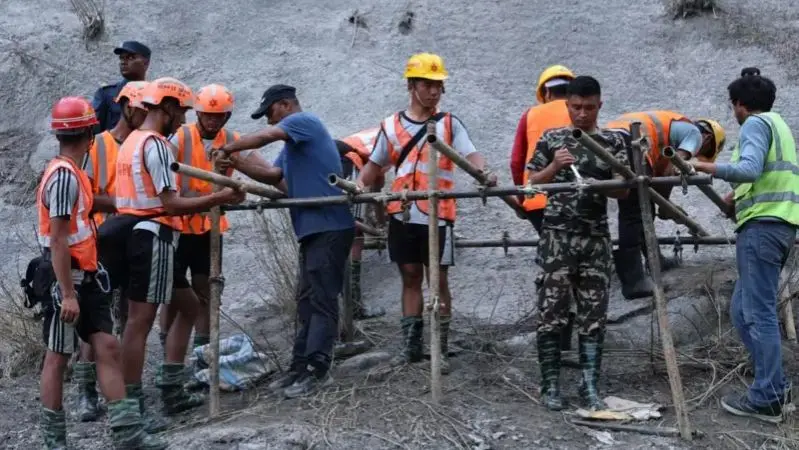
Rescue workers, supported by teams from China, India and South Korea, are using drilling and excavating equipment to reach dozens of hydropower workers believed to be trapped inside tunnels.
Three bodies have so far been recovered from two tunnels, but rescuers have encountered thick layers of mud blocking access to the affected areas.
At one hydropower site, rescue workers managed to break into the upper section of a mud-filled tunnel and began pumping air inside before deploying heavy machinery to clear the debris.
“When members of the team descended using ropes and called out to those inside, there was no response,” Shah said, adding that the rescue operation was continuing.
The Nepal disaster agency said 933 workers at hydropower facilities remain unaccounted for, although officials believe around 100 could still be alive inside several tunnels.
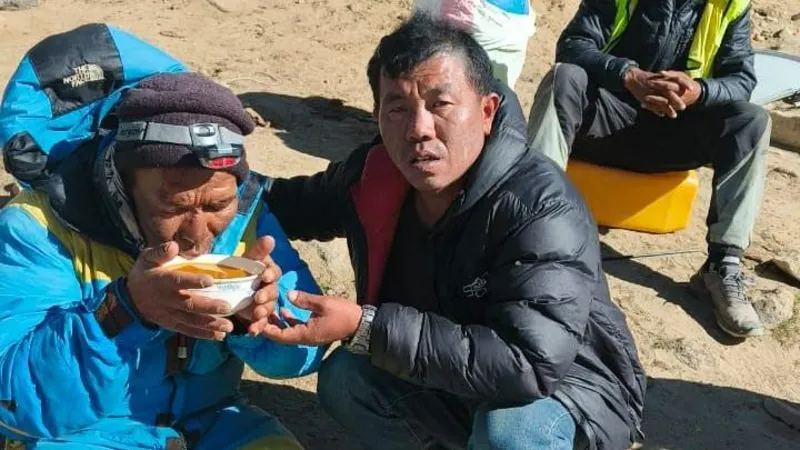
Despite the widespread destruction, rescuers recorded a remarkable survival when a six-year-old girl was pulled from the mud four days after the floods struck.
“Her body was trapped in mud, but her head was outside,” Nepali Armed Police spokesman Netra Bahadur Karki told AFP.
“She is out of danger and recovering at a hospital and has reunited with her family.”
Climate concerns
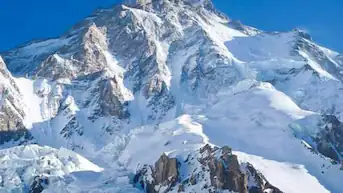
The United States Geological Survey said the disaster was caused by a glacial collapse, although the precise reason for the collapse remains unclear.
Scientists have warned that rising global temperatures are accelerating glacier melt across the Himalayas, increasing the risk of glacial disasters.
Nepali Foreign Minister Shisir Khanal said, “The people of Nepal are one of the major victims of the changing climate and its impact.”
Entire communities have been swept away, leaving tens of thousands of people displaced and in need of emergency shelter, food and other assistance.
Roads have been destroyed, bridges washed away and power plants damaged, complicating efforts to deliver aid to affected communities.
Rescue teams have gradually gained access to previously isolated areas as communications improve.
“We are continuing to work for search, rescue and relief operations,” Karki told AFP on Monday.
He added that rescue teams had now reached most affected locations either by road or helicopter.
Families await news
With morgues overwhelmed by the number of bodies recovered, Nepal has started burying some unidentified victims after collecting DNA samples to allow families to identify and reclaim them later.
The government has appealed for international assistance, saying it requires “more than a thousand” freezer units to preserve the bodies.
Among those reported missing are 592 foreigners, including tourists trekking in the Himalayan region and Hindu pilgrims travelling to Mount Kailash in Tibet.
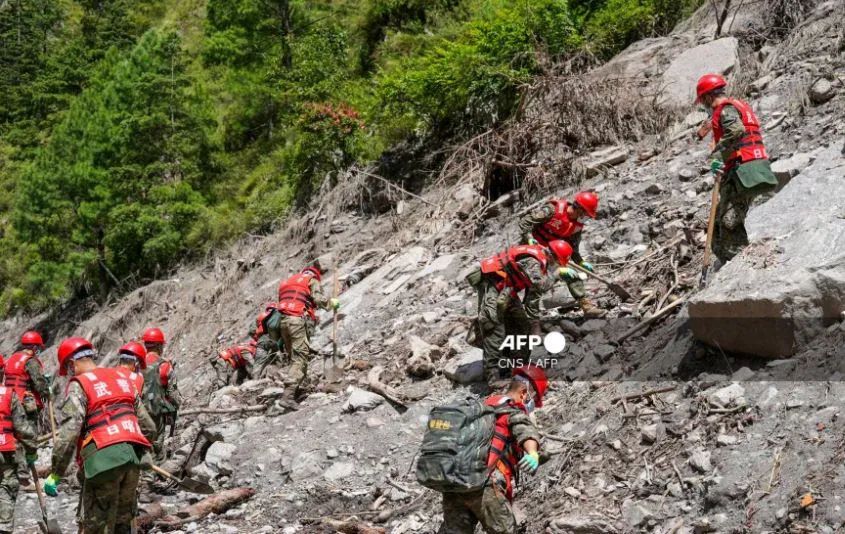
In Tibet, Chinese authorities reported that 16 people had died and 546 remained missing.
More than 2,000 personnel have been deployed for rescue operations, but difficult terrain has slowed access to the disaster zone.
The glacial collapse also created large lakes blocked by unstable debris, raising fears of further flooding and putting rescuers at additional risk.
Nepal is already facing economic pressure, and officials fear reconstruction costs could reach “billions of dollars”.
Foreign governments have pledged millions of dollars in humanitarian assistance as rescue, recovery and relief operations continue.