The National Agency for Food and Drug Administration and Control has directed manufacturers of alcoholic beverages packaged in sachets and plastic bottles below 200 millilitres to withdraw the products from circulation nationwide or face further regulatory sanctions, including closure of their facilities.
The agency said the Federal Government’s ban on the production, importation, distribution, sale and use of alcohol in the prohibited package sizes was now being fully enforced.
The Director-General of NAFDAC, Prof. Mojisola Adeyeye, gave the warning on Monday during a press briefing in Lagos.
Adeyeye said manufacturers, importers, distributors, wholesalers, retailers and other stakeholders still holding the banned products must immediately surrender their remaining stock.
She said, “Affected manufacturers are required to immediately commence a nationwide recall of all alcoholic drinks packaged in sachets and PET bottles below 200ml from distributors, warehouses and other points within the supply chain.”
According to her, companies involved in the production of the prohibited products would also be required to submit regular reports to NAFDAC detailing their compliance with the recall directive.
She added that defaulting companies would face investigative charges for violating regulatory directives concerning the manufacture and distribution of alcoholic beverages in the banned package sizes.
Adeyeye said all products recovered during the exercise would be verified and destroyed under NAFDAC’s supervision, with the manufacturers responsible for the cost of destruction.
She further explained that any facility shut down over the production of the banned products would not be allowed to reopen until NAFDAC confirmed that the relevant production lines had been dismantled, permanently disabled or reconfigured.
“Before any sealed facility involved in the production of alcoholic beverages in sachets or PET bottles below 200ml can be reopened, NAFDAC will require satisfactory evidence that the production lines used for the prohibited package sizes have been dismantled, permanently disabled or reconfigured,” she said.
The agency said its officers would supervise the process and conduct inspections before certifying any affected facility for reopening.
Adeyeye warned that companies that failed to comply could remain closed and face additional penalties.
“Companies that fail to comply with the terms of the undertaking risk severe regulatory sanctions, including continued closure of facilities, placement on NAFDAC’s Regulatory Watchlist, suspension or revocation of product registrations, criminal prosecution where applicable, and other measures permitted by law,” she warned.
The NAFDAC boss said the enforcement was aimed at reducing underage drinking, alcohol abuse and young people’s access to highly concentrated alcoholic beverages.
She cited research which, according to her, showed that sachet and small-volume alcoholic drinks were easily accessible to minors.
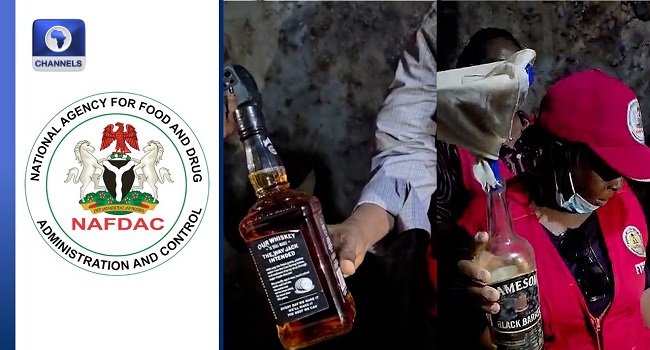
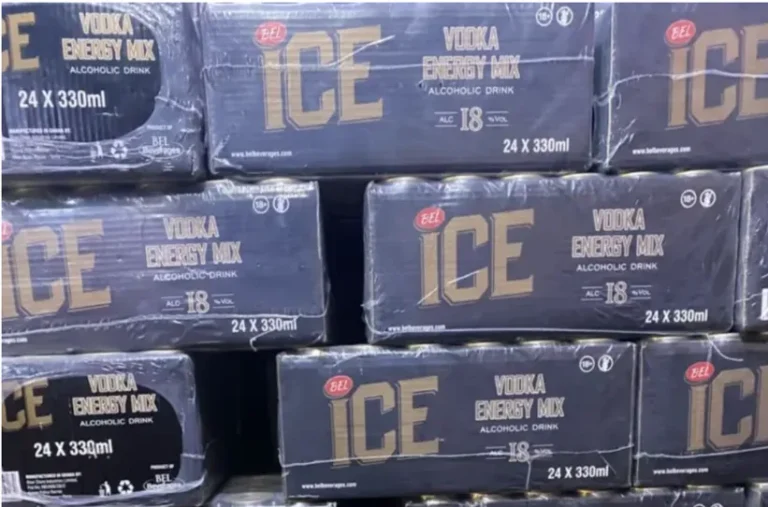
Adeyeye said NAFDAC had already discovered banned products at distribution centres during its nationwide mop-up exercise conducted in July.
She disclosed that the operation resulted in the closure of some factories and the arrest of employees of companies allegedly found to be continuing production of the prohibited products.
The NAFDAC DG said industry associations had earlier been required to sign irrevocable enforcement undertakings committing their members to stop producing alcoholic beverages in sachets and PET bottles below 200ml.
She explained that the ban followed years of consultations between the government, regulators and industry stakeholders.
According to Adeyeye, NAFDAC and manufacturers signed a memorandum of understanding in December 2018, giving producers a five-year period to phase out sachet alcohol and other small-volume containers.
She said manufacturers were initially expected to complete the transition by January 31, 2024, but resistance from industry stakeholders and subsequent interventions resulted in an extension of the deadline to December 31, 2025.
“The moratorium was extended until 31 December 2025, allowing manufacturers and distributors more time to adjust and dispose of existing stock,” Adeyeye said.
She noted that the ban officially became effective on January 1, 2026, after the expiration of the extended transition period.
While some distillers have opposed the policy over concerns about job losses, NAFDAC maintained that public health considerations remained the priority.
Adeyeye appealed to Nigerians to support the enforcement by refusing to purchase the banned products and reporting manufacturers, distributors and retailers found violating the directive.
She said NAFDAC would continue to collaborate with industry stakeholders while enforcing regulations designed to protect public health.
“The Agency will continue to work with industry stakeholders while ensuring strict compliance with regulatory directives designed to safeguard the health and well-being of Nigerians,” she added.