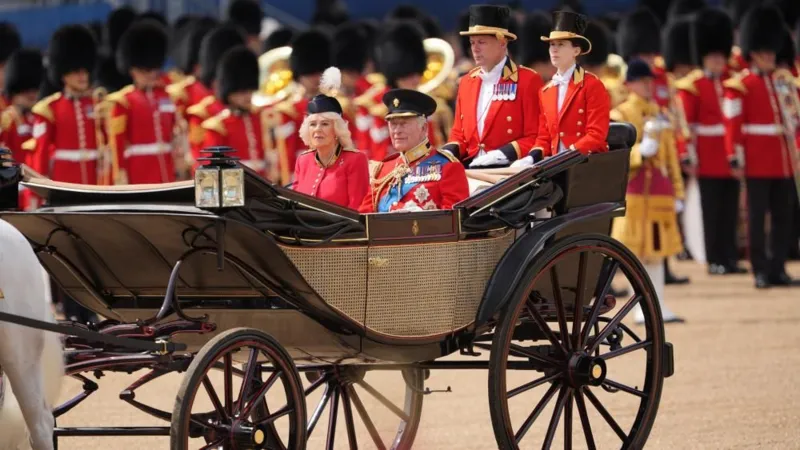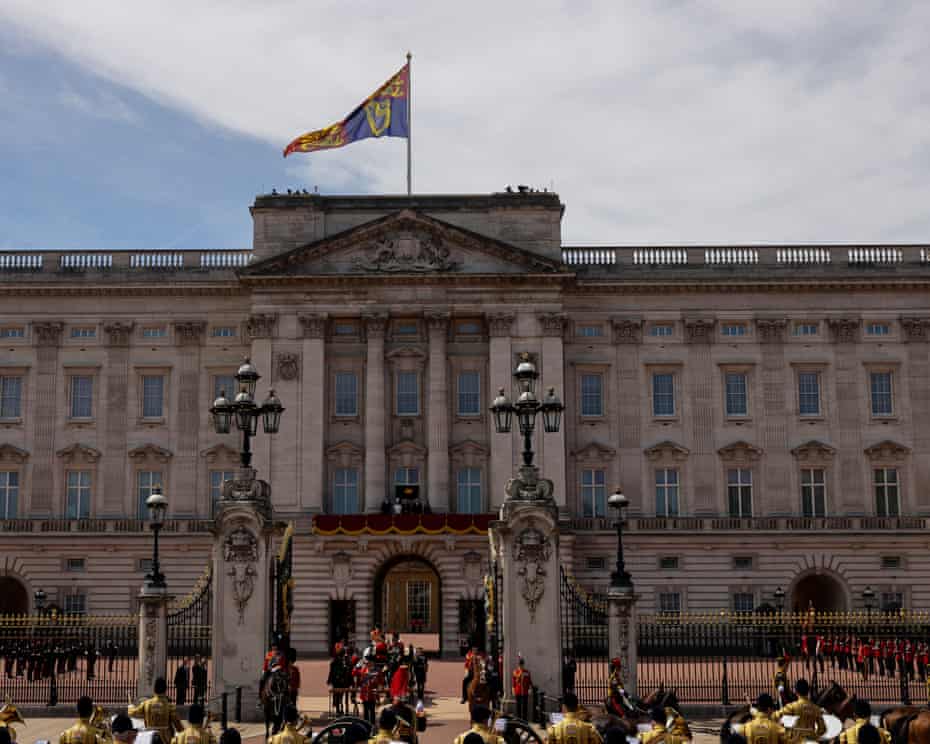
King Charles III will not move into Buckingham Palace once its decade-long refurbishment is completed next year, royal officials confirmed on Thursday, bringing an end to the palace’s role as the British monarch’s principal residence after nearly 190 years.
The disclosure came as officials also revealed that the King paid £12.9 million ($17.04 million) in taxes during the 2024/25 financial year, the first time the figure has been publicly released, placing him among the United Kingdom’s highest taxpayers.
The move is part of broader efforts by the royal family to increase financial transparency following heightened scrutiny after the death of Queen Elizabeth II in 2022.
Despite choosing to remain at Clarence House, his long-time London residence, Charles will continue to use Buckingham Palace for official and ceremonial duties once the £369 million renovation project is completed.
The extensive works, which began in 2017, involve replacing outdated electrical systems, plumbing and heating infrastructure.
When the refurbishment programme was launched, Buckingham Palace was expected to resume its status as the monarch’s official London residence, a role it has held since Queen Victoria ascended the throne in 1837.
However, James Chalmers, the King’s Treasurer and Keeper of the Privy Purse, said the palace would primarily serve as the centre of royal operations and state functions.
“It is and will remain monarchy HQ, the crown jewel of our national buildings, with the sovereign’s standard flying proudly from the roof whenever his majesty is in London,” he told reporters.
Neither King Charles nor the late Queen Elizabeth II has spent a night at Buckingham Palace since 2019. The King will, however, retain private accommodation within the building for occasional use.
Chalmers also said public access to the palace would increase, noting that around 700,000 visitors pass through the landmark annually, though he did not provide further details on the planned expansion.
Under British law, the monarch is exempt from paying income, capital gains and inheritance taxes.
Nevertheless, Charles has continued the voluntary tax payments introduced by Queen Elizabeth II in 1993, although the amounts had not previously been disclosed.
The King receives private income from the Duchy of Lancaster estate, which is expected to generate £25.2 million in 2025/26, alongside earnings from personal investments and other assets.
According to Chalmers, Charles paid £11.7 million in tax during the 2023/24 financial year and has contributed more than £30 million in taxes since ascending the throne in 2022.
In addition to private income, the monarch receives public funding through the Sovereign Grant, which covers staffing costs, palace maintenance and official travel. The grant is set to rise to £137.9 million in 2026/27.
However, Chalmers said it would be cut for the first time in 2027/28 to £100 million “in line with his majesty’s clear wishes”, a level where it will stay until 2031/32.
Although that amount remains significantly higher than the level before the Buckingham Palace refurbishment funding arrangement was introduced in 2016, Chalmers stressed that public spending on the monarchy remains closely monitored.
“This is not a blank cheque,” Chalmers said, adding there were safeguards in place to ensure the amount was proportional.
Meanwhile, Prince William, the heir to the throne, paid £7.76 million in taxes in 2024/25. His office also disclosed that he directed £1.5 million in rental income from a former prison site to benefit the local community.
Both William and Charles have recently faced criticism over reports that the royal estates receive rental payments from public institutions, including the military, schools and the National Health Service.