Afghanistan’s exiled women footballers have finally seen their dream take shape as FIFA on Wednesday announced a 23-player Afghan women’s refugee squad that will reunite in Dubai this month for a training camp and a friendly tournament against Chad, Libya and the United Arab Emirates.
For the players, many of whom fled the Taliban’s return to power four years ago—this call-up represents both triumph and frustration as they continue to push for recognition as Afghanistan’s official women’s national team.
For 21-year-old goalkeeper Elaha Safdari, the announcement brought overwhelming emotion.
“Obviously, it’s just an amazing moment for all of us, I can’t wait to share it with my family,” she told CNN Sports.
“I’m sure that my parents are going to be proud of me, and they’re probably going to see me on TV,” she added before breaking into tears. Safdari’s parents, who were unable to leave Afghanistan due to health reasons, remain separated from her and her brother, who have had to start life afresh in England.
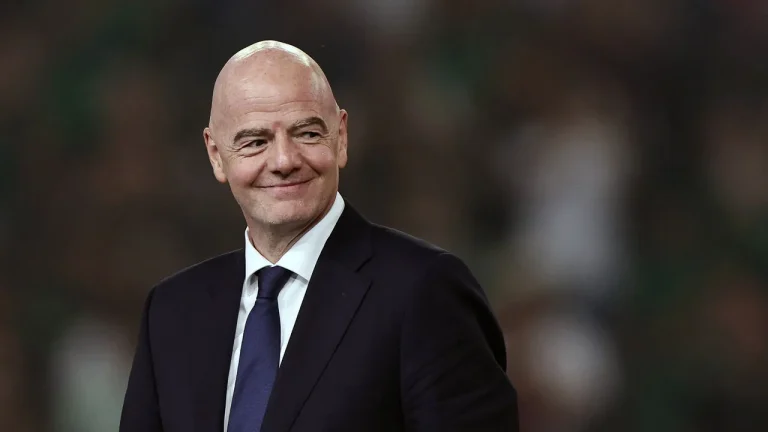
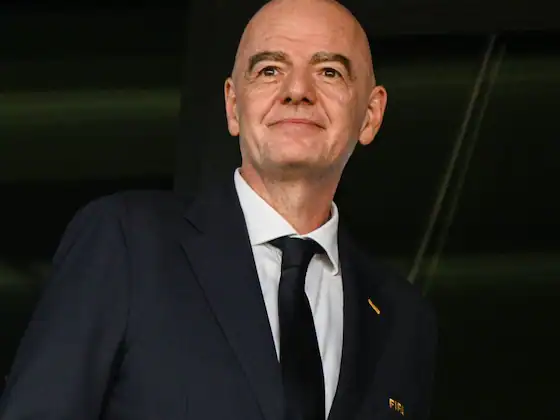
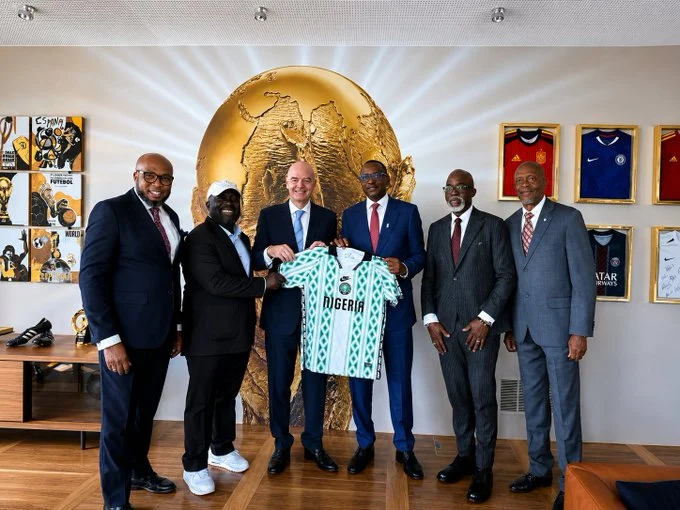
The creation of the squad is a historic first for FIFA, with president Gianni Infantino describing it as a “landmark” move.
Still, the team stops short of being recognized as Afghanistan’s national side, since FIFA rules require acknowledgment from the Afghan Football Federation, an organization that has banned women’s sports entirely under Taliban pressure.
That lack of recognition has left many of the players unsatisfied.
“I am very grateful for it happening after four years – FIFA giving us the opportunity and basically opening the doors and being welcoming for us,” said defender Narges Mayeli.
“But I myself would prefer the Afghanistan’s women national team title, and I feel like quite a lot of my teammates are on the same page with me at this point.”
Even though she wasn’t named in the 23-player squad, Mayeli insists the fight is not over. “We’re going to keep pushing, anyway,” she added with a smile.
Another concern for the athletes is the team’s official name: the Afghan women’s refugee squad. While they understand the reality of their displacement, many feel the label diminishes them.
“We want more than that from FIFA,” said Zainab Mozaffari. “We are tired of getting called ‘refugee.’”
FIFA, in a statement to CNN Sports, said the project represents “a significant and landmark step forward in giving Afghan players the international platform and recognition to which they aspire.”
It added that despite “complex and exceptional challenges,” it believes progress is being made, highlighting its role in supporting women’s football in Afghanistan and helping athletes who were evacuated in 2021.
For players like Mayeli, the struggle for recognition is bound up with painful personal memories. She was only 18 when the Taliban seized power again.
“I was really scared … I had all my jerseys and all my medals,” she recalled. “I asked my dad to bury them.”
Her father, Abdul Raziq, admitted that concealing her football career was heartbreaking. Watching his daughter’s dedication and achievements erased in an instant remains difficult for him to speak about.
Eventually, the family was rescued and resettled in Doncaster, northern England, alongside other Afghan players and relatives. They spent two years in a hotel waiting for asylum claims to be processed, all while adjusting to a new country and language.
“Football saved my life and obviously my family’s life, and so many other girls and so many other people’s lives,” Mayeli said. Now, she is pursuing a sports management degree at university.
The players are deeply conscious of the plight of women still in Afghanistan, where the Taliban have removed women almost entirely from public life. Defender Najma Arefi, who dreams of becoming a human rights lawyer, says that reality weighs heavily.
“As human beings we were born free … suddenly everything just collapsed,” the 22-year-old said, noting that women were among the most affected by a recent deadly earthquake.
For many, football is more than just sport—it’s a platform for resistance. Former national team captain Khalida Popal, who fled Afghanistan in 2011 after exposing corruption and abuse within the football federation, remains a mentor to the exiled squad.
Speaking from Denmark, she said her own refugee experience gives her a unique bond with the players.
“We have sacrificed so much. For us, football has always been a tool to fight for our human rights, for our sisters, who have never actually owned their voices,” Popal said. Watching the women train in Doncaster, she huddled with them before kick-off and encouraged them, calling the FIFA initiative “just the beginning.”
“We have been screaming out loud. We have been knocking on every closed door to get FIFA’s attention, to listen to our voices, to hear us,” she added.
As the new squad prepares to travel to Dubai, anticipation is high, but so too is the frustration of being denied recognition as Afghanistan’s official team.
“The Taliban took my dream away and I’m just eager – I’m just hungry to play,” said goalkeeper Safdari. Yet even in her joy, the demand for acknowledgment remains at the core of their fight.
“It’s just football, let us play. Let us represent our country.”