Denmark has called on European Union member states to impose tougher travel restrictions on Russian nationals following an alleged assassination plot linked to Russian intelligence services.
The Danish government made the request after its police and security agencies announced on Friday that they had foiled an alleged attempt by Russian intelligence operatives to kill a US-Ukrainian rapper in September ahead of a scheduled performance.
Foreign Minister Lars Lokke Rasmussen described the alleged plot as an unacceptable transgression.
Denmark also announced the expulsion of Russia’s defence attaché from the country.
In a diplomatic note circulated to senior European diplomats on Friday evening, Copenhagen proposed additional restrictions on Russian citizens seeking access to the 29-country Schengen free-travel zone.
Among the proposals are a suspension of tourist visas for Russian nationals and a refusal to recognise Russian non-biometric passports across the Schengen area.
Denmark also wants EU countries to make greater use of restricted visas that prevent holders from travelling freely across the Schengen zone. It further called for tougher entry requirements for serving and former Russian combatants.
“We must take concrete actions that project European strength and decisiveness,” the message said.
“There is clear momentum to act decisively now, and we should seize this moment to replace our current patchwork of national measures with a truly unified EU-wide approach.”
Copenhagen is expected to formally present the proposals at a meeting of EU ambassadors in Brussels on Monday.
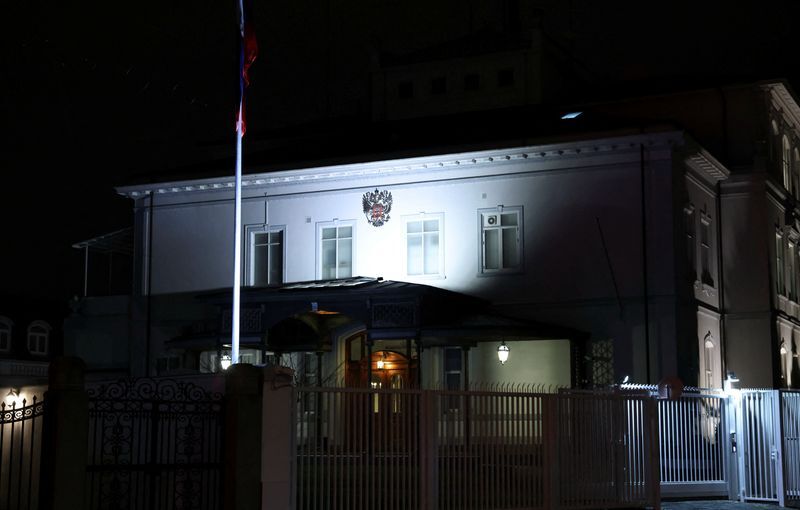
However, the Russian embassy in Copenhagen dismissed Denmark’s accusations, saying they were not supported by evidence.
European Commission President Ursula von der Leyen expressed solidarity with Denmark and other EU members facing what she described as Russian hybrid attacks.
She also said the bloc would soon introduce a new European Security Strategy aimed at strengthening its preparedness and deterrence.
The European Commission is also preparing its 22nd sanctions package against Russia over its invasion of Ukraine, with additional visa restrictions among the measures under consideration.