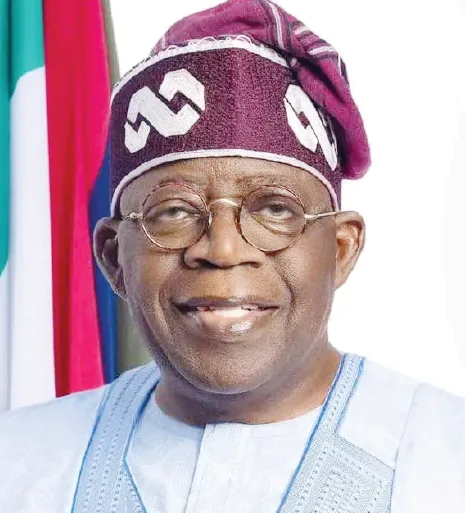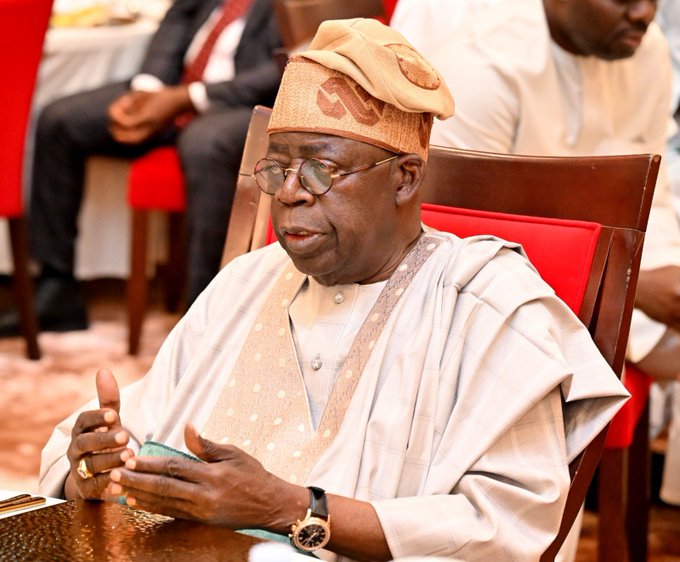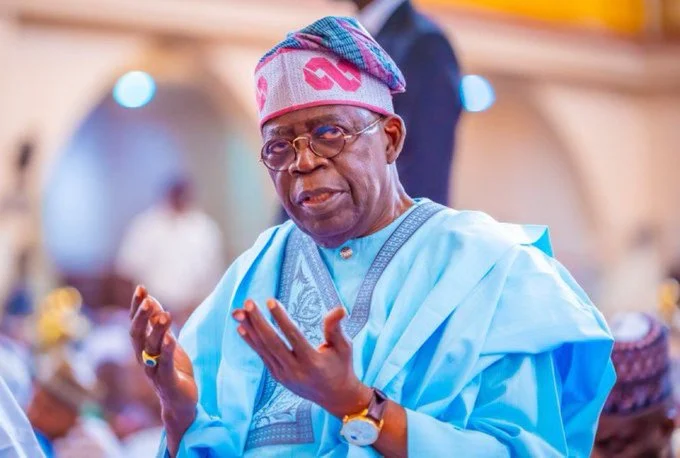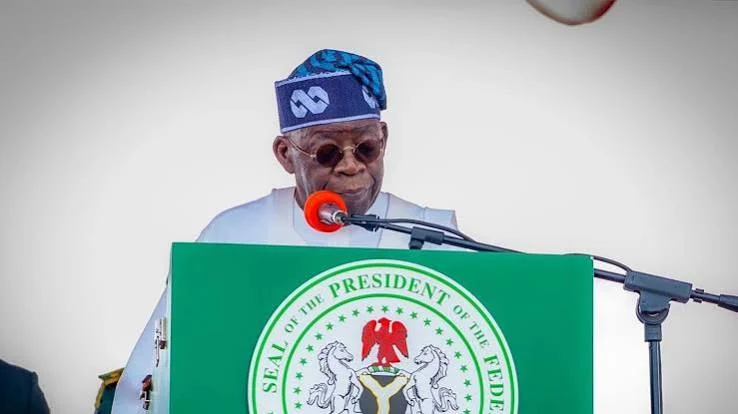
President Bola Tinubu has said Nigeria owes an unpayable debt of gratitude to pro-democracy activists who risked their lives, lost their livelihoods and endured persecution to secure the democratic freedoms enjoyed by Nigerians today.
Tinubu stated this on Tuesday in Abuja during the public presentation of From AD to APC: The Evolution of Nigerian Political Parties and the Exploits of One Man (1998–2015), authored by veteran journalist and Chairman of The Nation’s Editorial Board, Sam Omatseye.
Recalling the struggle against military dictatorship, the President described the campaign as a generational battle for justice, saying its participants and their families endured enormous sacrifices, threats and uncertainty. He said some activists sustained permanent injuries, while others lost their means of livelihood and lived apart from their families.
“The pro-democracy struggle was more than a fight for our lives; it was a fight for a generation. It was a contest between justice and injustice,” Tinubu said.
The President also recalled his decision to return to Nigeria following the death of former military Head of State, General Sani Abacha, in June 1998, despite the uncertainties surrounding the country’s political transition.
He said he was determined not to remain abroad while the struggle for democratic governance continued.
“Knowing this, I resolved that I would not stay behind when Abacha died. I came home to join the fight for true democracy that we began with the Alliance for Democracy,” he added.
Tinubu’s return came amid the political uncertainty following Abacha’s death and the emergence of General Abdulsalami Abubakar as Head of State. Abacha had seized power in November 1993, months after the annulment of the June 12, 1993 presidential election won by Chief MKO Abiola.
Abiola subsequently died in detention on July 7, 1998, while the country was still under military rule. Abdulsalami later initiated a transition programme that culminated in the restoration of civilian government on May 29, 1999.
Tinubu, who had been involved in the pro-democracy movement and was associated with the National Democratic Coalition, returned from exile and contested the 1999 Lagos governorship election on the platform of the Alliance for Democracy, which he won. He governed the state for two terms before emerging as Nigeria’s President in 2023.
The book documents Nigeria’s political evolution between 1998 and 2015, tracing the emergence of progressive political movements and the eventual formation of the All Progressives Congress, which defeated the Peoples Democratic Party in the 2015 general election, ending its 16-year hold on federal power.