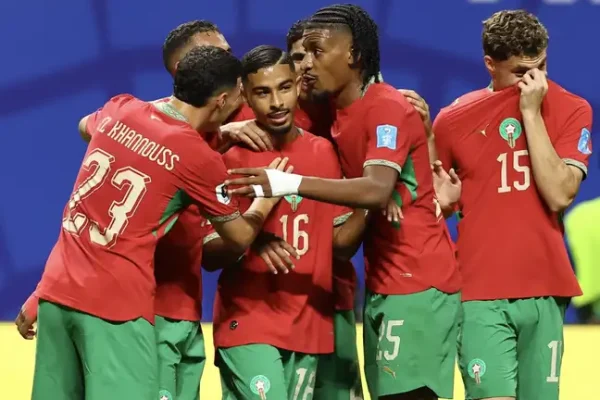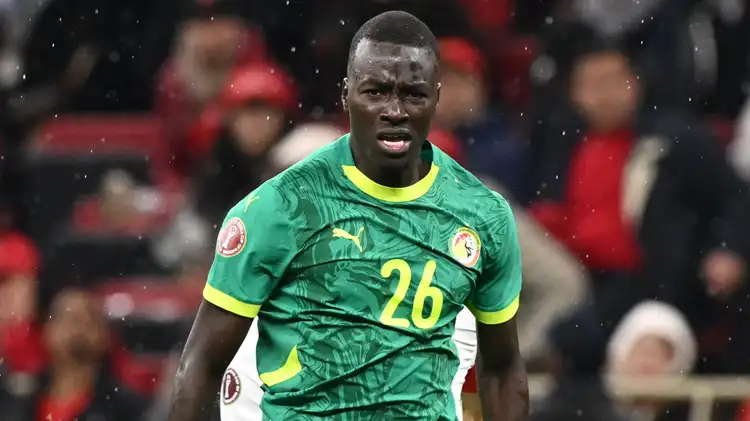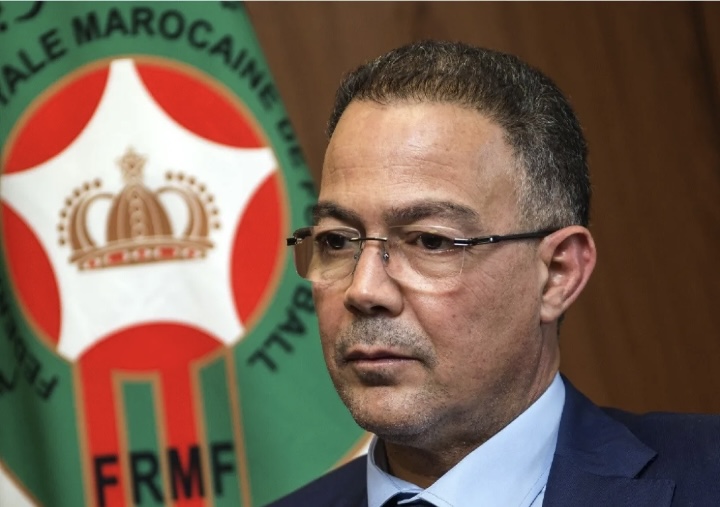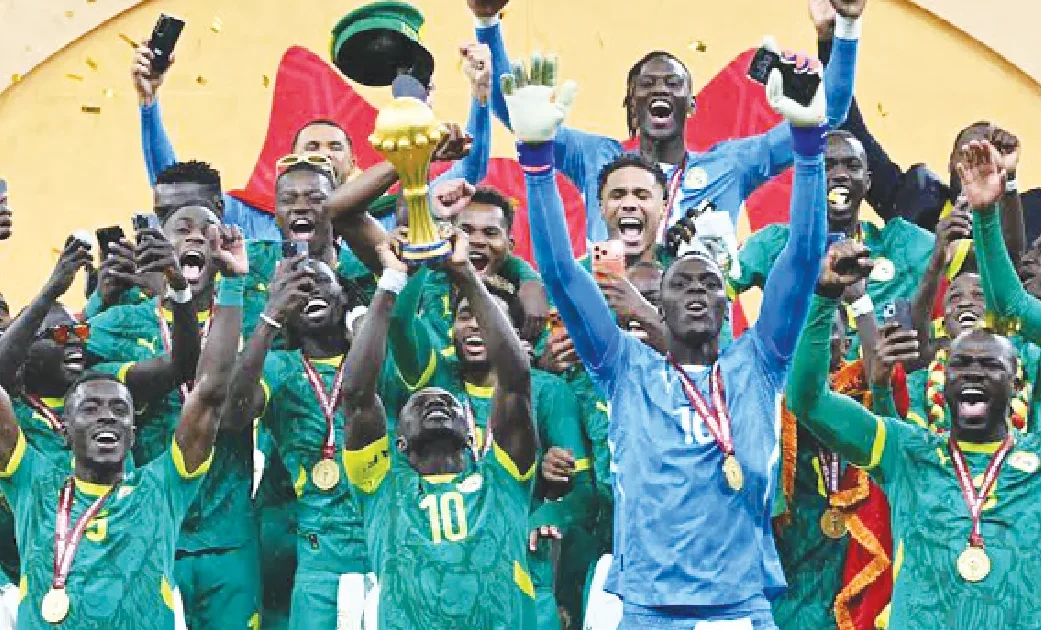
The Royal Moroccan Football Federation has rejected the Court of Arbitration for Sport’s decision reinstating Senegal as the 2025 Africa Cup of Nations champions, declaring its intention to pursue further legal action.
The Moroccan federation also renewed allegations that the President of the Senegalese Football Federation, Abdoulaye Fall, had contacted German arbitrator Ulrich Haas, one of the three members of the CAS panel, two days before the ruling was delivered.
In a statement published on its X account on Tuesday, the Moroccan federation expressed dissatisfaction with CAS for allegedly failing to address its concerns over the reported communication, which it believes could compromise the credibility of the arbitration process.
It also faulted the court for not adequately considering the positions of the International Football Association Board and FIFA on players leaving the pitch without the referee’s authorisation and the disciplinary implications of such actions.
The federation maintained that the alleged breach of the rules should have attracted appropriate sanctions, adding that it would explore all available legal channels to challenge the verdict.
The development follows Tuesday’s decision by CAS overturning the Confederation of African Football (CAF) Appeals Board’s ruling that had awarded Morocco a 3-0 victory in the disputed final.
CAS instead restored Senegal’s original 1-0 victory, ruling that the AFCON regulations relied upon by CAF to declare Senegal the losers by forfeiture did not apply because the referee had permitted the match to continue after the players returned to the pitch.
The controversy originated from the January 18 final played at the Prince Moulay Abdellah Stadium in Rabat, Morocco, where Senegal defeated the host nation after extra time.
Tensions erupted during stoppage time when the referee awarded Morocco a penalty following a VAR review, shortly after disallowing a Senegalese goal.
In protest, Senegal’s coach, Pape Thiaw, directed his players to leave the pitch. They eventually returned after about 14 minutes, but Morocco’s Brahim Diaz failed to convert the penalty.
Senegal later secured victory through Pape Gueye’s extra-time goal.
Morocco subsequently challenged the match outcome before CAF, arguing that Senegal’s temporary withdrawal from the field constituted a breach of the competition’s regulations.
Although CAF’s Disciplinary Board initially allowed the result to stand while sanctioning both teams, its Appeals Board reversed the decision on March 17, declaring Senegal to have forfeited the final under Articles 82 and 84 of the tournament regulations and awarding Morocco a 3-0 victory.
Senegal challenged the decision at CAS on March 25, seeking the restoration of its victory.
Before the verdict, Morocco had accused Fall of contacting one of the arbitrators handling the case. The allegation was reported by Reuters and Moroccan media outlet Hespress, citing sources familiar with the matter.
However, the Senegalese federation denied the claim, with its Secretary-General, Sow, dismissing it as baseless and insisting that Fall had no personal relationship with the judges.
Reuters also reported that it could not independently establish whether the alleged telephone conversation took place or determine what was discussed.
Morocco has now reiterated its determination to challenge the latest ruling through available legal procedures.