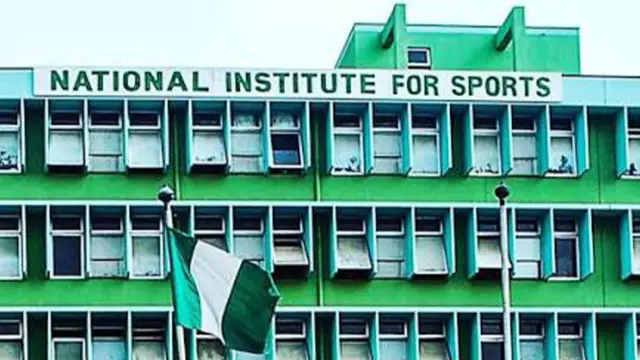
The National Institute for Sports has prohibited sports federations, associations and other organisations in Nigeria from conducting coaching programmes without obtaining prior approval from the institute.
The directive, announced by the institute’s management on Wednesday, November 18, requires all organisations intending to organise coaching education programmes to secure formal authorisation before commencing such activities.
The NIS maintained that it is the sole legally recognised professional institution responsible for training coaches and regulating coaching education across all sporting disciplines in Nigeria.
It said the decision was aimed at protecting the credibility and professional standards of coaching in the country.
“The measure is aimed at protecting the integrity, credibility and uniform standards of sports coaching nationwide, in line with global best practices.
“Sports federations and relevant bodies are now directed to seek formal approval from the NIS before launching any coaching education initiatives”, it said.
The management explained that the directive was part of efforts to ensure that individuals presenting themselves as professionally trained coaches possess the necessary qualifications and meet established standards.
It also urged stakeholders in the Nigerian sports sector to respect the institute’s statutory responsibilities and operate within its regulatory framework.
The development comes amid renewed efforts to strengthen sports coaching and technical development in Nigeria.
In a related development, the NIS recently collaborated with the Nigeria Football Federation to revive the CAF D Licence Coaching Course after a 42-year break, with the five-day programme held in Lagos from November 9 to 13.
The institute, which is responsible for training sports administrators, coaches and sports technicians, said the latest directive would strengthen professional standards and promote properly regulated training programmes across the country.
“The ban reinforces the NIS’s commitment to maintaining professional standards in coach education and strengthening the development of sports through properly regulated training programmes”, the management said.