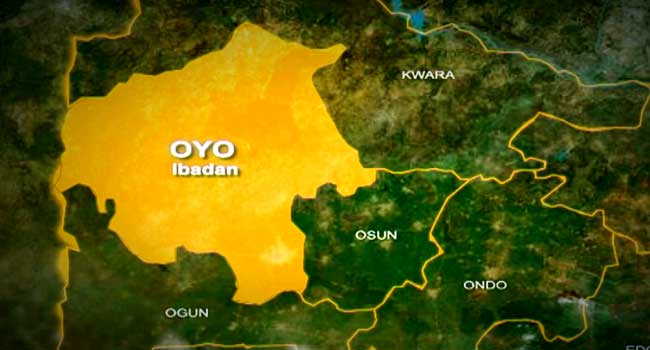
The Nigerian Medical Association, Oyo State chapter, has raised concerns over the shortage of medical personnel in the state, disclosing that only 1,996 doctors are available to cater to an estimated 10 million residents.
The state NMA Chairman, Dr Olufemi Aworinde, said the figure translates to approximately one doctor for every 5,010 people, describing the situation as inadequate to meet the healthcare needs of the population.
Aworinde disclosed this in an interview with PUNCH Healthwise, where he spoke about the impact of the migration of medical professionals, popularly known as ‘Japa’, on healthcare delivery in the state.
According to him, the departure of doctors has worsened staffing shortages, increased workloads and placed additional pressure on medical personnel who remain in the country.
He said, “The latest Medical and Dental Council-related state figure puts Oyo at approximately 1,996 doctors. Against an assumed population of 10 million, that would be roughly one doctor to 5,010 residents, or two doctors per 10,000 people.”
The NMA chairman noted that the shortage was particularly concerning given the growing demand for healthcare services across the state.
He explained that meeting a planning benchmark of 10 doctors per 10,000 residents would require about 10,000 doctors, leaving a shortfall of approximately 8,004 based on the current workforce.
A higher benchmark of 17 doctors per 10,000 residents, he added, would require 17,000 doctors.
Aworinde said the consequences of the shortage were already evident in hospitals through persistent vacancies, overstretched personnel and difficulties sustaining specialist services.
He, however, said the association could not provide a verified figure for the number of Oyo-based doctors who relocated abroad in 2026.
“We cannot responsibly give a definitive 2026 figure without validating departures against membership records, employer exits and professional regulatory data,” he stated.
He added that there was no verified cumulative figure available to the association for doctors who left the state within the last two to five years.
The NMA chairman identified poor remuneration, delays in implementing approved professional allowances, excessive workloads and inadequate staffing as major factors encouraging doctors to seek opportunities abroad.
Other factors, according to him, include inadequate medical equipment and essential supplies, concerns about workplace safety, limited career advancement opportunities and insufficient support for specialist training and research.
Aworinde specifically identified unresolved welfare issues affecting doctors in state-owned secondary healthcare facilities and the Ladoke Akintola University of Technology Teaching Hospital, including professional allowances and residency training support.
He said, “Doctors want to practise medicine with dignity, develop professionally and offer patients the standard of care they were trained to deliver. Migration becomes more attractive when those basic expectations are persistently unmet.”
To address the situation, he urged the Oyo State Government to develop a sustainable recruitment and retention strategy backed by adequate funding and clear staffing targets for healthcare facilities.
He also called for an assessment of staffing requirements across the state’s health facilities, particularly those serving rural and underserved communities.
The NMA chairman further urged the government to ensure prompt payment of approved remuneration and professional allowances, alongside improved working conditions and adequate medical equipment.
He said hospitals should be equipped with functional diagnostic facilities, essential medicines, safe working environments and sufficient support staff.
Aworinde also recommended improved career progression opportunities, residency training support, continuing professional development and incentives for doctors willing to serve in rural communities.
He acknowledged efforts by the state government but stressed that more sustained action was needed to address the workforce crisis.
“Our position is simple: retaining doctors is not a favour to doctors; it is an investment in the health, safety and future of the people of Oyo State,” he said.
Meanwhile, Nigeria’s healthcare workforce continues to face challenges from the migration of skilled professionals.
According to the State of Health of the Nation Report 2025, no fewer than 20,966 Nigerian health workers relocated abroad within one year.
The figure included 3,919 doctors, 7,487 nurses and midwives, 6,861 medical laboratory professionals, 702 pharmacists and 658 physiotherapists, among other healthcare specialists.
The report’s figures underscore concerns about the growing pressure on Nigeria’s already stretched healthcare system.