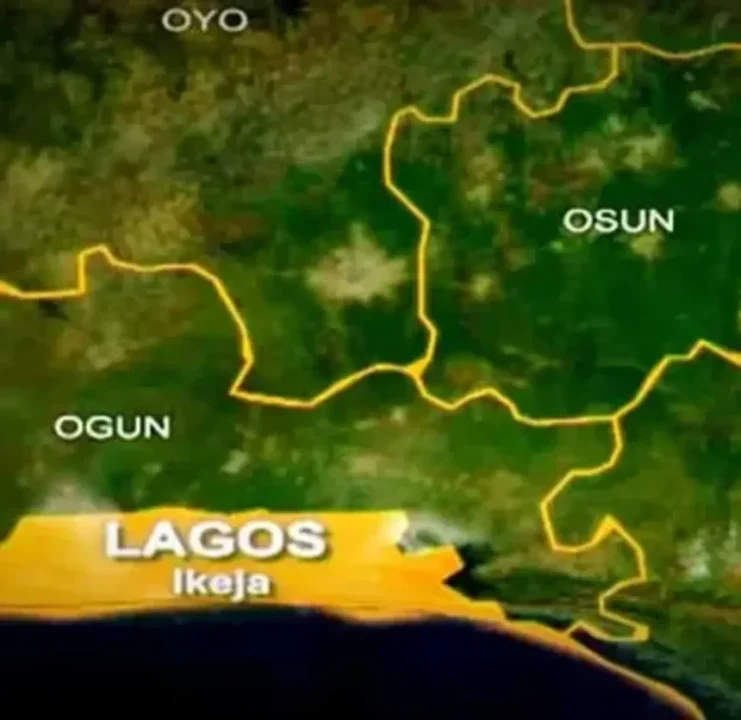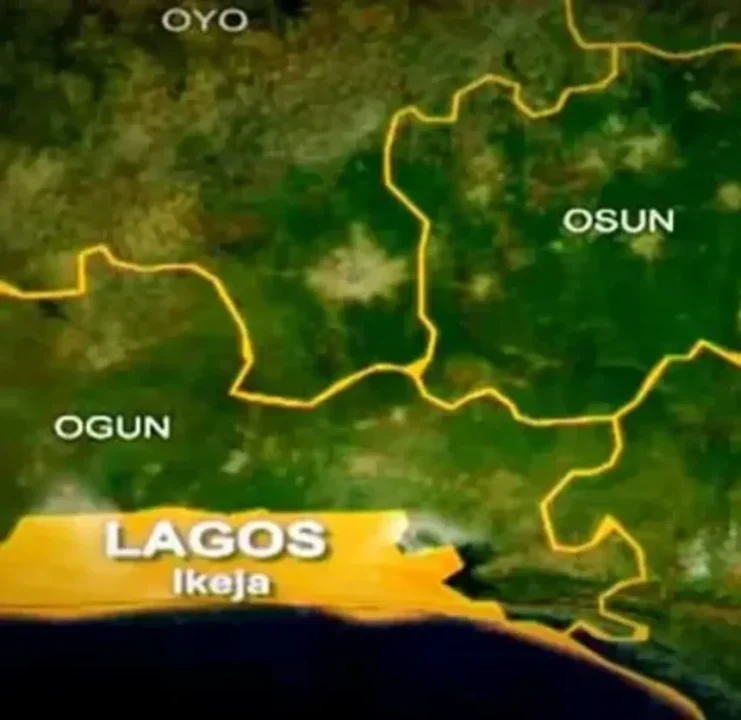
The Lagos State Government has advised residents in low-lying and flood-prone communities to temporarily relocate to safer, elevated areas following a seven-day flood warning issued by the Nigerian Hydrological Services Agency.
The government said the precautionary measure was aimed at protecting lives and property as the rainy season intensifies.
The Commissioner for the Environment and Water Resources, Tokunbo Wahab, disclosed this in a statement issued on Monday by the ministry’s Director of Public Affairs, Kunle Adeshina.
Wahab said the NiHSA alert, which covers Lagos and 14 other states, identified several vulnerable areas in the state, including Eti-Osa, Lagos Island, Oke-Ira Nla in Ajah, Kirikiri, Ilaje Waterfront Jetty and Jetty Terminal B.
He said the state had stepped up surveillance in the affected areas and other communities located around waterways and low-lying terrain.
“We are urging Lagosians, particularly those living in flood-prone and low-lying areas, not to take this warning lightly. When the signs point to danger, the safest decision is to move early. No property is worth risking a life,” Wahab said.
The commissioner urged residents in vulnerable locations to move to higher ground and remain there until the period of heightened flood risk had passed.
He also called for increased vigilance among communities along the Ogun River and other waterways, warning that heavy rainfall and rising river levels could result in downstream flooding.
Communities identified for heightened monitoring include Isheri North, Kara, Itowolo, Ajegunle, Majidun, Ogolonto, parts of Agboyi and other settlements downstream of Isheri Olofin.
Wahab further advised residents living close to rivers, lagoons, wetlands, drainage channels and other water bodies to monitor official forecasts and prepare for temporary evacuation where necessary.
He said the flood advisory indicated that rising water levels could affect vulnerable communities and critical facilities such as schools, healthcare centres, markets, farms and places of worship.
The commissioner urged local government authorities, emergency responders, traditional and community leaders and residents to activate their early-warning and emergency response plans.
He advised residents to move people, livestock and essential belongings to safer locations where flooding posed an imminent threat.
According to him, the state government would continue working with relevant federal agencies to monitor rainfall patterns, river levels and other developments that could increase flood risks.
He added that drainage channels across the state would continue to be cleaned, maintained and monitored as part of the government’s flood management measures.
Wahab also appealed to residents to stop dumping refuse in drains, canals and waterways, noting that blocked drainage systems could worsen flooding and slow the movement of floodwater.
He cautioned motorists and pedestrians against attempting to cross flooded roads, bridges and areas with fast-moving water.
The commissioner said the government would continue to provide updates and take measures to minimise the impact of flooding across the state.
He urged residents to treat official flood alerts as important safety warnings and act promptly whenever evacuation becomes necessary.