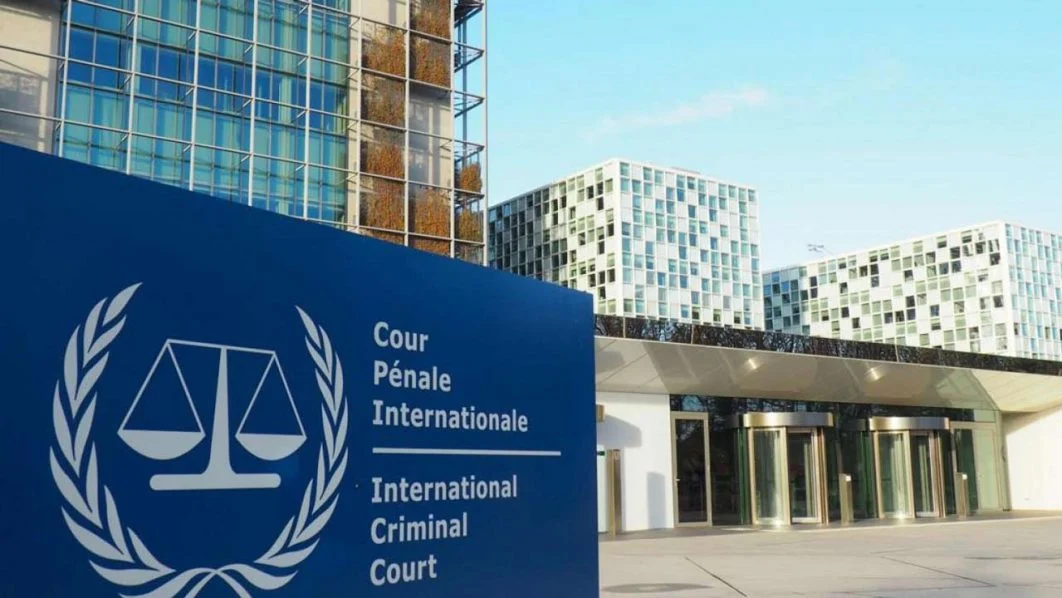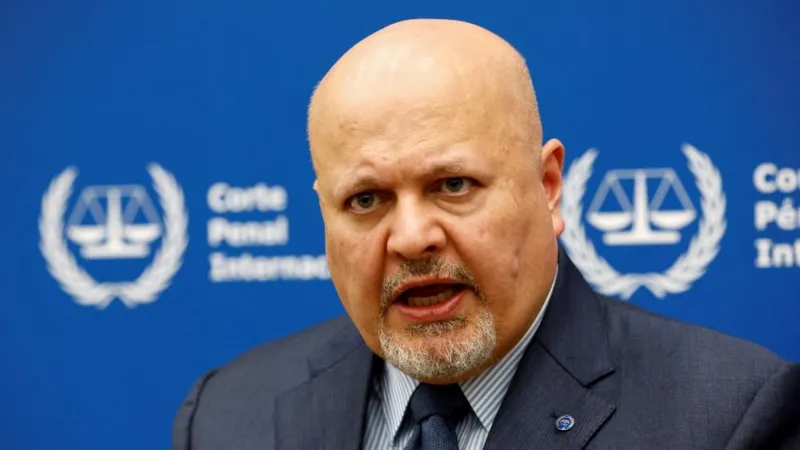
Member states of the International Criminal Court have voted to remove Karim Khan from his position as the court’s chief prosecutor over allegations of sexual misconduct.
Khan, who became the ICC’s third chief prosecutor in 2021, was suspended last month pending the outcome of the proceedings. His dismissal was approved by 82 of the court’s member states during a special session.
In June, the ICC’s oversight body concluded that Khan had committed a “serious breach of duty and serious misconduct” after finding he had engaged in an inappropriate sexual relationship with a junior staff member and attempted to prevent her from pursuing her complaint.
The British lawyer has consistently denied the allegations. Following the vote, his legal representative said Khan would challenge “the lawfulness and fairness of the decision through all available legal mechanisms”.
It remains unclear what legal options are still available to the former prosecutor.
Reacting to the outcome, the ICC said it had “took note” of the decision reached by the Assembly of States Parties, the court’s 125-member governing body.
“The Court will continue to attach the utmost importance to maintaining a safe, inclusive, and respectful working environment for all personnel,” the ICC said.
Beyond Khan’s removal, the controversy is expected to have lasting implications for the world’s only permanent war crimes tribunal.
The misconduct case has placed the institution under intense scrutiny, exposed internal divisions and unfolded alongside growing international efforts aimed at weakening, or even dismantling, the ICC.
Supporters of the court fear the developments could leave it less capable of addressing some of the world’s most serious crimes.
Khan has been on voluntary leave since May 2025 while contesting the allegations. He also remains suspended from practising law in the United Kingdom after the Bar Standards Board imposed an interim ban during its own investigation.
He did not attend the vote at the United Nations headquarters in New York because sanctions imposed by the Trump administration over the ICC’s investigation into alleged war crimes by Israeli officials in Gaza prevent him from entering the United States.
His removal is unlikely to bring the controversy to an end.
The case stems from allegations first reported to the ICC in May 2024 by a third party, accusing Khan of sexual misconduct involving a female staff member.
The court’s Independent Oversight Mechanism initially investigated the matter but closed the case after the complainant declined to participate.
The handling of that inquiry drew criticism from some observers, who argued it undermined confidence in the oversight process.
Investigators later said there was insufficient evidence to substantiate the allegations.
A fresh complaint was submitted in October 2024, prompting the case to be transferred to the United Nations Office of Internal Oversight Services, which launched a wider investigation into allegations of sexual misconduct and abuse of authority.
The inquiry lasted from November 2024 to December 2025 and produced more than 5,000 pages of evidence and witness testimony.
Its findings were later assessed by a three-judge panel, which advised whether Khan’s actions amounted to serious misconduct, less serious misconduct or no misconduct.
The allegations emerged during a period of heightened political pressure on the ICC.
The United States sanctioned Khan after he sought arrest warrants for Israeli Prime Minister Benjamin Netanyahu and former Defence Minister Yoav Gallant over alleged crimes linked to the war in Gaza.
Washington has also intensified its opposition to the court.
Earlier this month, the US announced a new “whole-of-government” campaign to dismantle the ICC “brick by brick”, describing the court as a threat to American sovereignty and pledging visa restrictions, asset freezes and diplomatic pressure on allies to reject the court’s jurisdiction or withdraw their support.
Although the United States, Russia and Israel are not parties to the Rome Statute, the ICC retains the authority to investigate crimes committed by their nationals if those offences occur within the territory of an ICC member state.