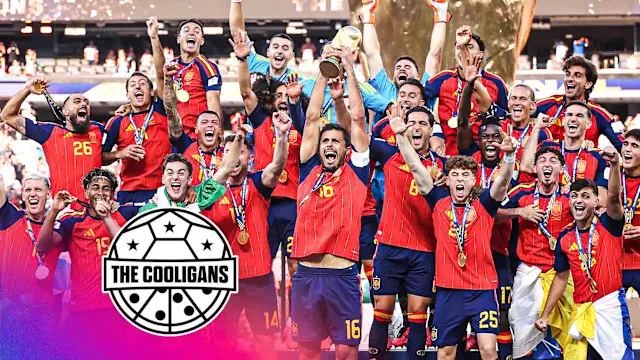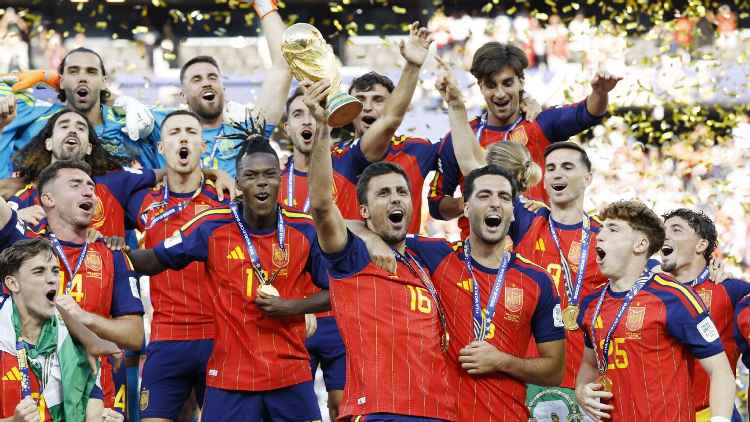
Ferran Torres scored the decisive goal early in extra time as Spain defeated Argentina 1-0 at MetLife Stadium in New York/New Jersey on Sunday to lift their second FIFA World Cup title.
The Barcelona forward calmly side-footed home after Nico Williams’ header from Pedro Porro’s cross fell kindly into his path.
Spain had dominated much of the contest before the breakthrough, controlling possession and repeatedly testing Argentina goalkeeper Emiliano “Dibu” Martínez, who produced several outstanding saves, including a brilliant stop to deny Williams at the start of extra time.
As widely anticipated, Spain dictated possession while Argentina relied on moments of inspiration from Lionel Messi. That approach had carried the South Americans through dramatic victories over Egypt and England earlier in the tournament, but Spain’s energy and technical superiority proved overwhelming.
Argentina failed to register a single attempt until the 115th minute, setting an unwanted World Cup record for the longest wait before taking a shot in a final.
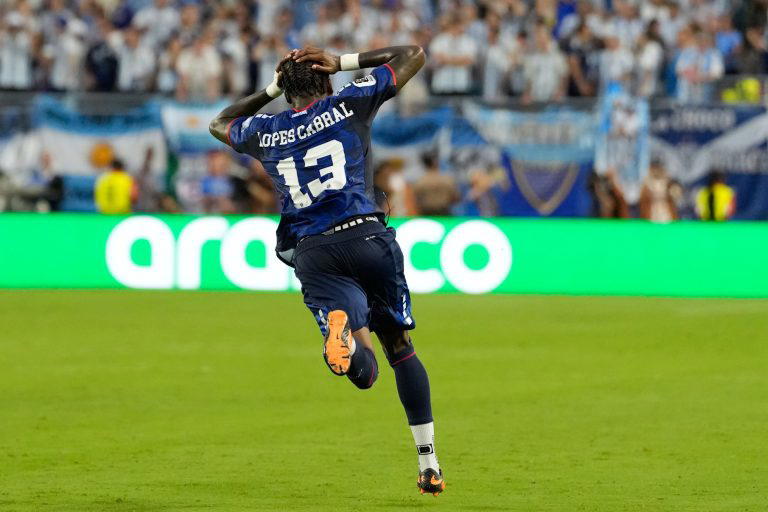
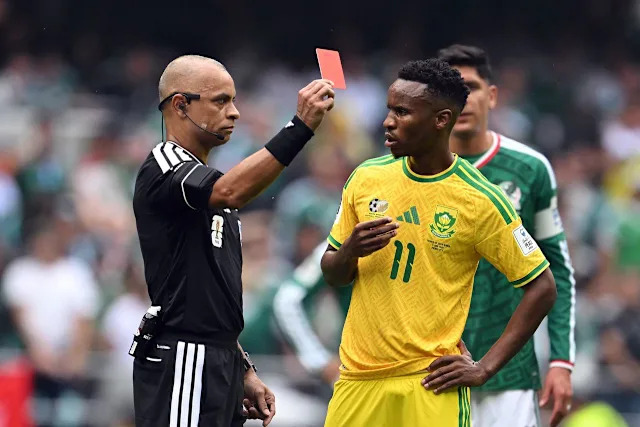
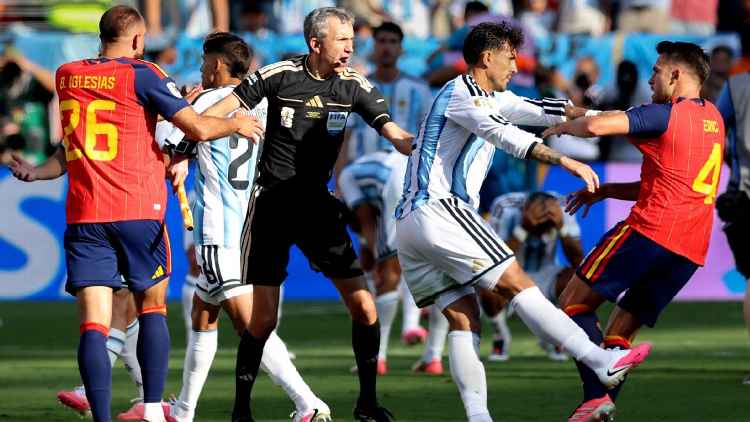
The encounter was fiercely contested, with referee Slavko Vinčić allowing play to flow for long spells. However, Enzo Fernández was shown a second yellow card in stoppage time after bringing down Pau Cubarsí.
Messi, who had announced this would be his final World Cup, ended the tournament with eight goals and four assists. Argentina reached their third World Cup final in the last four editions, having lost to Germany in 2014 before defeating France to win the title in 2022.
Spain, already European champions, completed an outstanding campaign in which they conceded only one goal in eight matches, against Belgium in the quarterfinals.
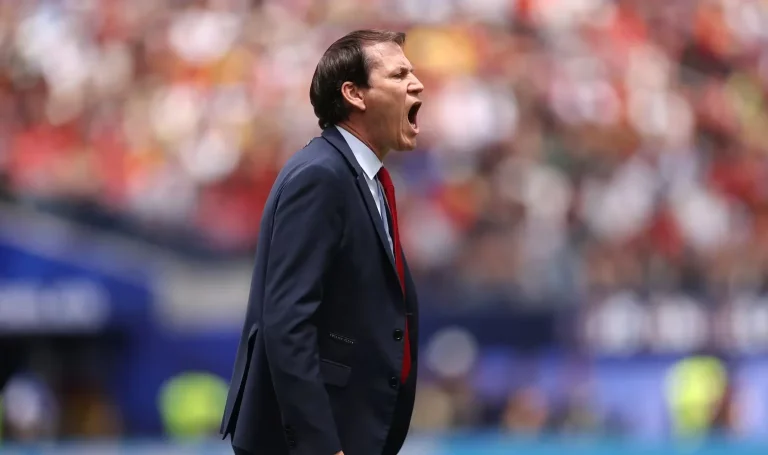
Coach Luis De la Fuente’s selection decisions, including once again leaving Pedri on the bench from the start, ultimately paid off.
The final itself struggled to produce sustained excitement, but Spain’s patience and composure eventually broke Argentina’s resistance.
The European champions remained faithful to their possession-based approach despite Argentina’s increasingly physical tactics, with Torres finally delivering the breakthrough deep into extra time.
Spain finished with 20 shots, including 12 on target, while Argentina managed only two attempts and failed to register a shot on target.
De la Fuente’s side may not possess the attacking flair of some recent champions, but their mastery of possession and game management has made them one of international football’s most consistent teams. The victory also extended Spain’s unbeaten run to 38 matches.
Argentina’s tactical formula, which revolved around maximizing Messi’s influence, ultimately failed against Spain’s relentless pressing and control.
Lionel Scaloni built his team to compensate for Messi’s reduced defensive workload by packing central areas and relying on experienced midfielders such as Alexis Mac Allister, Rodrigo De Paul and Leandro Paredes.
While the system delivered results throughout the tournament, it left Argentina with few attacking alternatives. Julián Álvarez and Lautaro Martínez alternated as the lone striker, while highly rated youngster Nico Paz found opportunities limited.
Despite the defeat, Martínez emerged as Argentina’s standout performer. The Aston Villa goalkeeper made 11 saves over 120 minutes, matching the second-highest total recorded in a World Cup knockout match over the past six decades.
The goalkeeper achieved the feat despite playing through a fractured ring finger suffered before the tournament.
“No, it still hurts every day. I knew it was going to hurt a lot. I avoided surgery,” Martínez said.
Messi endured a subdued farewell in his final World Cup appearance, touching the ball only 54 times and failing to produce the decisive moment Argentina had hoped for.
He finished with one blocked shot, no touches inside Spain’s penalty area, was dispossessed twice and fouled four times across 120 minutes.
After Fernández’s dismissal, Messi was left isolated as Argentina pushed forward with 10 men, making his task even more difficult.
Although his final World Cup ended in disappointment, Messi bows out having inspired Argentina to World Cup glory in 2022, two Copa América titles and the 2022 Finalissima after briefly retiring from international football following the 2016 Copa América final.
The match also drew criticism for its extended halftime interval. FIFA’s entertainment show lasted 27 minutes and 20 seconds, far exceeding the standard 15-minute break and interrupting the rhythm of a final that already lacked intensity.