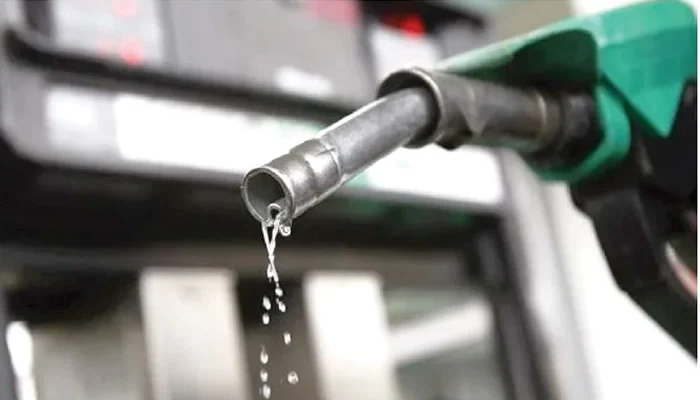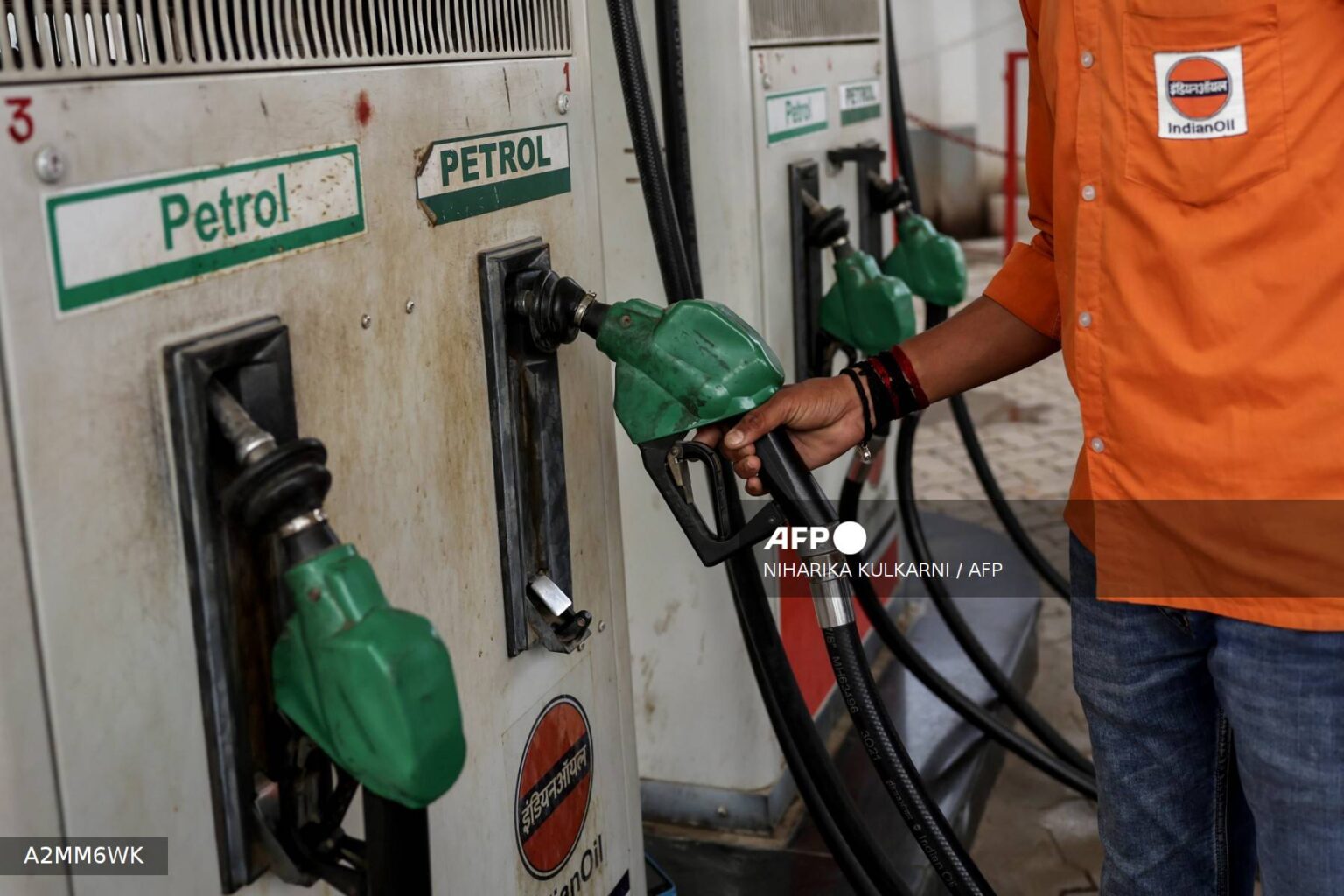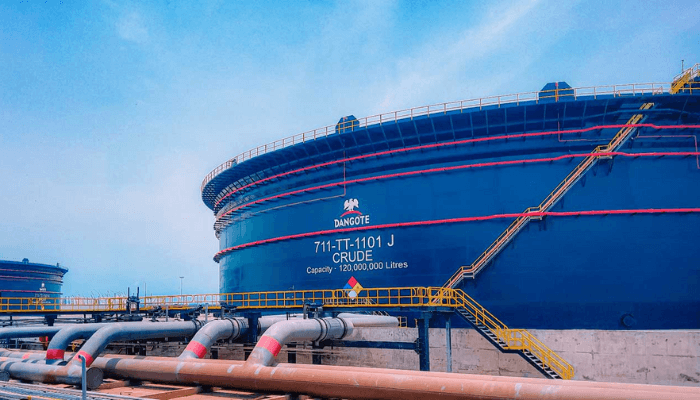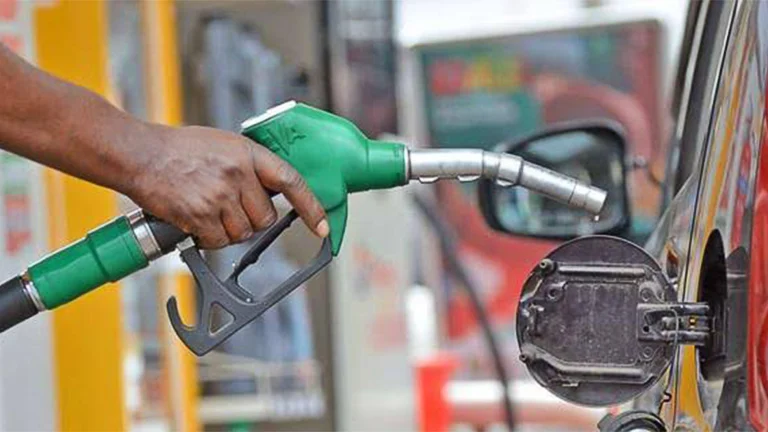
Marketers of petroleum products are projecting that petrol prices could ease to around N1,200 per litre as the Dangote Petroleum Refinery continues to drive reductions in ex-depot rates.
The Punch reported that the expectation follows a fresh cut in the refinery’s petrol gantry price by N75 per litre, bringing it down from N1,250 to N1,175.
The adjustment comes amid a decline in global crude oil prices, triggered by improved geopolitical conditions after a reported peace agreement between the United States and Iran.
Data from Petroleumprice.ng shows that depot operators have also begun adjusting their rates downward, with prices now hovering around N1,180 per litre in some locations.
Despite the drop at depot level, retail outlets are yet to reflect the change, as filling stations still sell petrol at about N1,280 per litre in many areas as of Tuesday.
Marketers say the delay is due to existing stock purchased at higher prices, which they must first clear to avoid losses.
In a notice sent to fuel marketers on Monday, the Dangote refinery explained that the price review was influenced by easing tensions in the Middle East, which had previously driven up energy costs.
“Following the de-escalation of tensions in the Middle East, which has impacted energy prices, we wish to inform you that we have reviewed our premium motor spirit gantry/coastal price,” the circular stated.
The refinery further disclosed that its new gantry price now stands at N1,175, while the coastal price per metric tonne has been reduced from N1,595,790 to N1,495,215. The new pricing structure took effect from midnight on Tuesday.
“Kindly note that all outstanding unloaded gantry volumes will be repriced at the new rate effective 12:00 AM, June 16, 2026,” the circular noted, adding, “We sincerely appreciate your continued patronage and assure you of our unwavering commitment to reliable product supply and excellent service delivery.”
The latest price cut reflects broader movements in the global oil market, where crude prices have eased following reports of negotiations between the United States and Iran over reopening key energy shipping routes, including the Strait of Hormuz.
Oil prices, which previously surged to about $120 per barrel during the height of tensions, have now slipped below $80 per barrel as of Tuesday after US President Donald Trump announced a peace deal.
Speaking on the development, the National Publicity Secretary of the Independent Petroleum Marketers Association of Nigeria, Chinedu Ukadike, said Nigerians may soon see further reductions at the pump, depending on location.
He explained that petrol could sell between N1,200 and N1,250 per litre in Lagos, while prices in other parts of the country could be higher, reaching about N1,300.
According to him, the delay in retail price adjustment is linked to marketers still holding old, more expensive stock, which must be sold before new lower-cost supply can fully reflect at stations.
“This announcement is enabling people who have old stocks to clear out their stocks, not only clearing out their stocks but also enabling them to prepare to take the fresh stocks,” he said.
Ukadike added that loading operations typically slow down after new pricing announcements from the Dangote refinery, as marketers recalibrate their inventories.
“Once the Dangote refinery announces a new price, there is a serious pause in loading. And it will enable people who just bought new products to see how they can clear the old stocks within the window of a day or two. Then when the new stocks start coming into the market, the process of supply and price will set in. Definitely, by tomorrow and Friday, people will start adjusting to the new price,” he said.
“The price is not static, and it depends on where you are. But I know that products will start selling between N1,200 and N1,250 in Lagos and more in other far-away locations,” he added.
However, the spokesman of the Petroleum Products Retail Outlet Owners Association of Nigeria, Joseph Obele, raised concerns that imported fuel sometimes appears cheaper than locally refined products, urging the Nigerian Midstream and Downstream Petroleum Regulatory Authority to issue more import licences.
Like Obele, several consumers have also taken to social media to question why the N75 reduction does not yet reflect broader declines in crude oil prices.
Crude oil prices had earlier spiked following the outbreak of hostilities between the United States and Iran on February 28, pushing Brent crude above $100 per barrel and at some points beyond $120 per barrel. This led to a sharp increase in domestic fuel prices.
During the period, petrol in Nigeria rose from about N830 per litre to roughly N1,300 per litre, with diesel and aviation fuel also recording significant jumps.
With global prices now easing, analysts expect further relief in the domestic market. Brent crude has reportedly fallen from $87 on Sunday to about $78 per barrel on Tuesday, following the ceasefire agreement and the reopening of the Strait of Hormuz.
Some industry projections suggest petrol could even drop as low as N900 per litre if the current trend in crude prices persists.
A source within the Dangote refinery also noted that further reductions are possible, although current production still includes higher-priced crude already in storage.