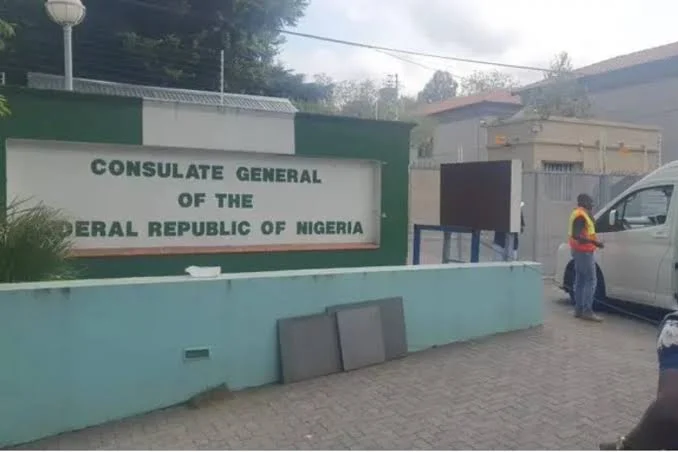
The Federal Government has expressed growing frustration with the South African government’s response to renewed xenophobic attacks against Nigerians living in the country, warning that diplomatic and economic measures are being considered if the situation persists.
Minister of Foreign Affairs, Ambassador Bianca Odumegwu-Ojukwu, disclosed this on Monday after briefing President Bola Tinubu at the Presidential Villa in Abuja.
According to the minister, Nigerian citizens in South Africa have continued to face harassment, intimidation, destruction of property, and attacks, while authorities have not taken sufficient action to curb the incidents.
“Our citizens are being harassed. Our citizens’ properties are being looted. Criminal actions are being perpetrated, and the police refuse to do anything. The South African government has not come out strongly and firmly enough to condemn these incidents,” she said.
Odumegwu-Ojukwu also dismissed allegations that Nigerians targeted in the attacks were undocumented migrants, insisting that many of them are legally resident business owners.
“To say that Nigerians who are in South Africa doing legitimate business are illegal migrants is absolutely untrue. People who are doing legitimate business have their shops looted, their shops set on fire. Children cannot go to school because they are intimidated in their schools,” she stated.
The minister noted that the situation has generated anger among Nigerians, particularly given Nigeria’s historic support for South Africa during the struggle against apartheid.
“Nigeria is not happy with South Africa. Nigeria sacrificed much for the South African struggle for independence. Nigeria committed funds and resources. In schools, seats were reserved for South African students,” she said.
Recalling her generation’s involvement in anti-apartheid activism, she added, “We carried placards and demonstrated in front of South African assets. Sometimes we even got arrested for doing this. Nigerians are not happy about how they have been treated.”
She further alleged that the campaign appeared to be directed primarily at black migrants.
“They are not asking other migrants to leave. They are only asking black migrants to leave,” she said.
Responding to questions on possible retaliatory actions, including restrictions on South African businesses operating in Nigeria, Odumegwu-Ojukwu said the option remains under consideration.
“That is a situation that we are considering. This is a decision that has to be taken at the highest level of government. But it is not off the table,” she said.
Meanwhile, the Federal Government has intensified efforts to evacuate Nigerians willing to return home from South Africa.
The minister confirmed that President Tinubu approved five evacuation flights to facilitate the exercise and directed the establishment of emergency response units at Nigeria’s diplomatic missions in Johannesburg and Pretoria.
She disclosed that 1,092 Nigerians had registered for voluntary repatriation as of June 8, while more than 500 had already completed the screening process.
The first evacuation flight, initially scheduled for Monday, was postponed until Wednesday due to operational arrangements.
Explaining the exercise, Odumegwu-Ojukwu said the government was working closely with the National Emergency Management Agency and other relevant agencies to ensure returnees receive support upon arrival.
“This evacuation is being undertaken with NEMA. We are doing that with various government agencies and parastatals to ensure that once Nigerians come in, they can be rehabilitated,” she said.
The latest tension follows anti-immigration demonstrations organised by groups such as Operation Dudula and March for March, which began in April and heightened fears among foreign nationals across several South African provinces.
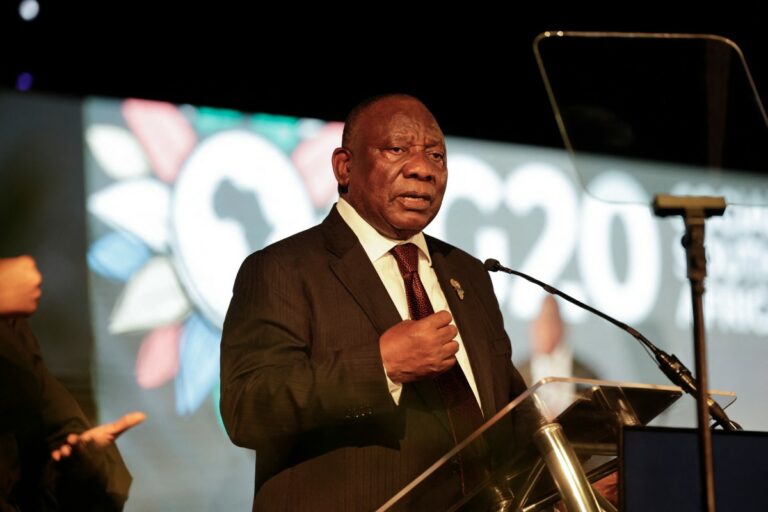
Odumegwu-Ojukwu revealed that during discussions with South African officials, Nigeria maintained that protecting its citizens remained a priority.
“I maintained that our government cannot stand by and watch the systematic harassment and humiliation of our nationals resident in South Africa, as well as the extrajudicial killings of our people, and that the evacuation of our citizens who want to return home remains our government’s priority at this time,” she said.
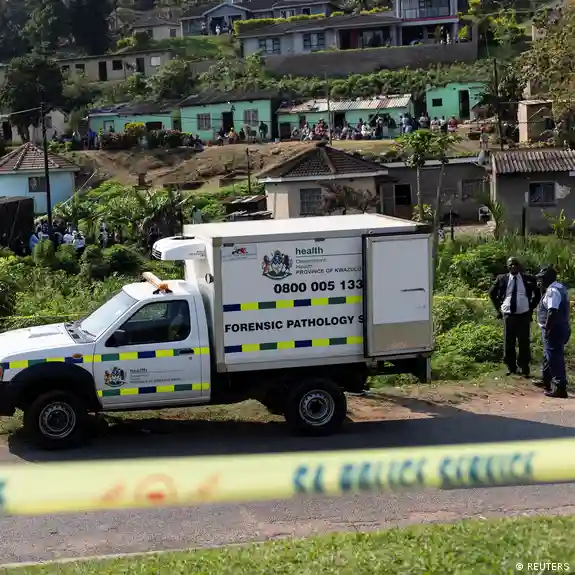
The renewed attacks have revived memories of previous xenophobic violence in South Africa in 2008, 2015 and 2019, incidents that strained relations between both countries and resulted in the deaths and displacement of many foreign nationals, including Nigerians.