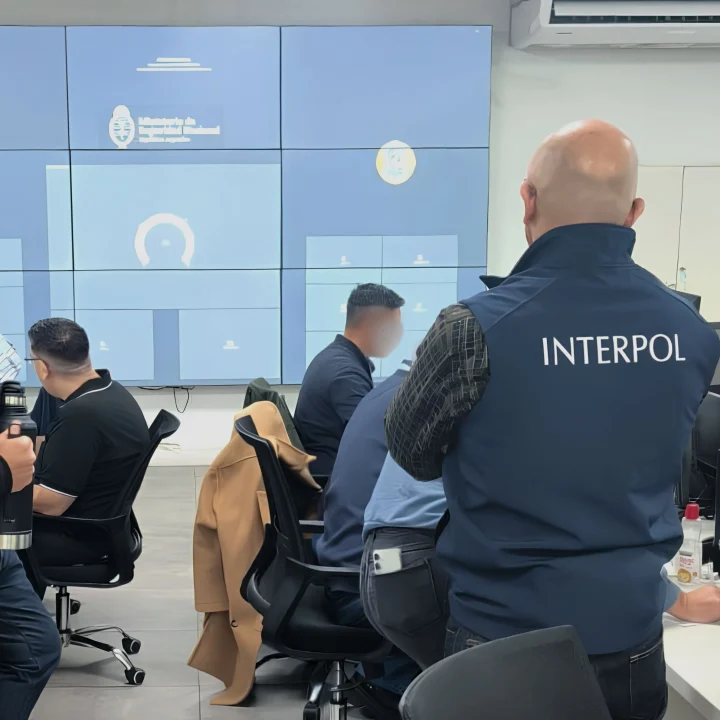
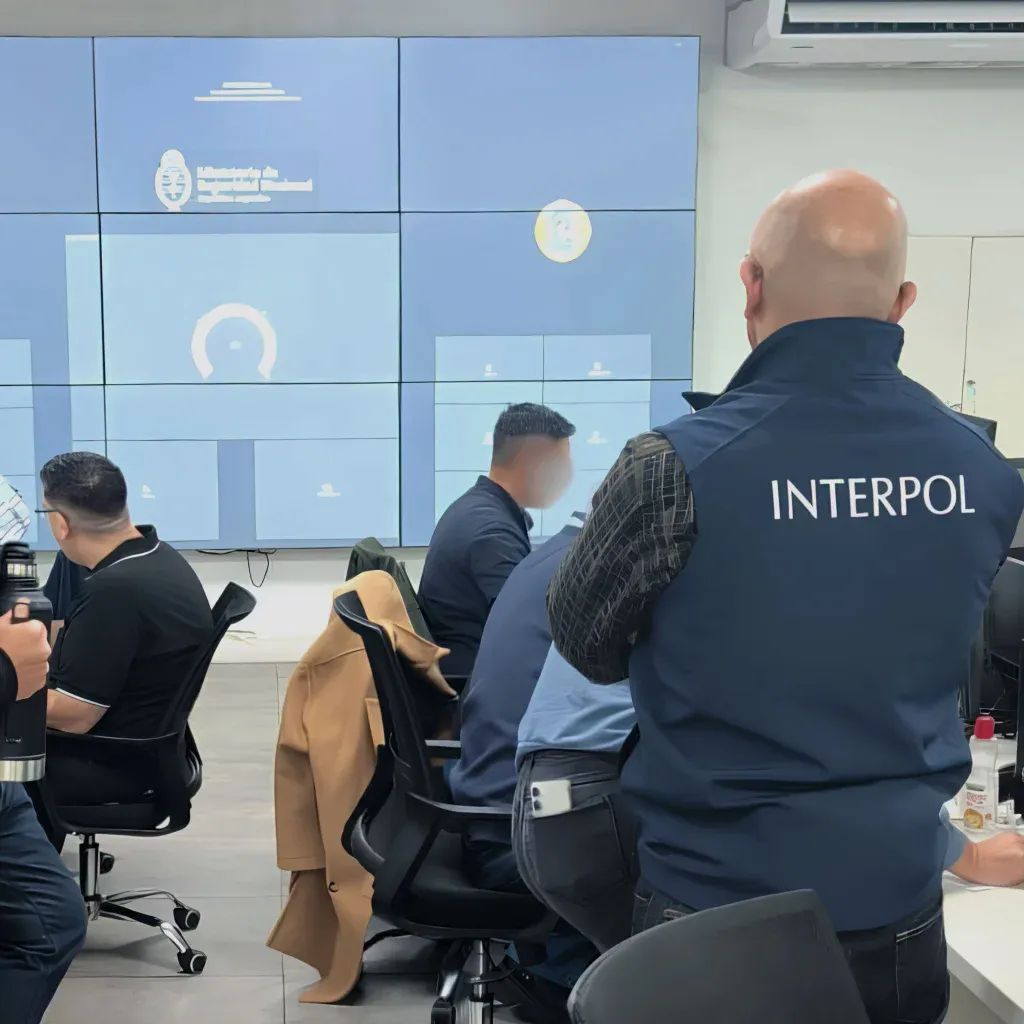
The Nigeria Police Force Interpol National Central Bureau, Abuja, in partnership with the INTERPOL Financial Crimes and Anti-Corruption Centre and the Japan International Cooperation Agency, has launched a four-day advanced regional workshop in Abuja aimed at strengthening efforts against transnational financial crimes across Africa.
The training, which commenced on Tuesday, April 21, 2026, is designed to boost the capacity and coordination of law enforcement agencies in combating money laundering, terrorist financing, cyber-enabled fraud, cryptocurrency-related offences, and illicit financial flows that continue to undermine economic stability and governance on the continent.
Speaking at the opening ceremony, the Commissioner of Police in charge of INTERPOL, NCB Abuja, CP Ajo Godfrey Ordue, who represented the Inspector-General of Police, Olatunji Disu, highlighted the increasing sophistication of transnational financial crimes.
“In today’s increasingly interconnected world, transnational financial crimes, particularly those facilitated through cyberspace and digital assets, have grown in sophistication, scale, and impact,” he said.
Ordue explained that criminal syndicates are increasingly leveraging emerging technologies and exploiting jurisdictional loopholes to target victims across different countries, stressing that no single nation can effectively confront the challenge in isolation.
He further stated that the workshop serves as a vital platform to improve technical expertise in financial and cybercrime investigations, enhance cooperation among agencies at national, regional, and global levels, and strengthen intelligence sharing and operational coordination.
According to him, the training will also help participants develop practical approaches to tackling emerging threats such as cryptocurrency-related crimes, online fraud, and money laundering.
Ordue reiterated the commitment of the Nigeria Police Force, through INTERPOL NCB Abuja, to international collaboration and institutional strengthening, while working closely with key agencies including the Economic and Financial Crimes Commission, the Nigerian Financial Intelligence Unit and the National Drug Law Enforcement Agency.
Speaking at the event, Kiyotaka Sekine, Crime Intelligence Officer at IFCACC, said the programme is focused on practical application rather than theory, equipping participants with hands-on skills to trace illicit financial flows and improve international cooperation.
He noted that Nigeria’s participation, through agencies such as the NFIU, EFCC, and the Nigeria Police Force, demonstrates its commitment to collective action, adding that collaboration remains the most effective approach in tackling evolving criminal networks.
Also speaking, JICA Senior Representative Yamamoto Tetsuya underscored the borderless nature of financial crimes, noting that no single institution can address the challenge alone.
He explained that participants would undergo intensive sessions covering financial intelligence, technology-driven investigations, and asset recovery processes.
He added that specialized INTERPOL tools, including the Silver Notice and advanced data-sharing systems, would be explored to aid the tracking and recovery of illicit assets.
Chief Operating Officer for Emerging Technologies and Innovation at the NFIU, Dr. Muhammad Jiya, described the workshop as a major step forward in strengthening joint efforts against transnational financial crimes.
“The fight cannot be won in isolation; it requires integrating financial intelligence with global law enforcement systems,” he said.
The workshop brings together policymakers, investigators, prosecutors, and financial intelligence experts from across Africa, reflecting a shared determination to adapt strategies in response to increasingly sophisticated criminal operations.