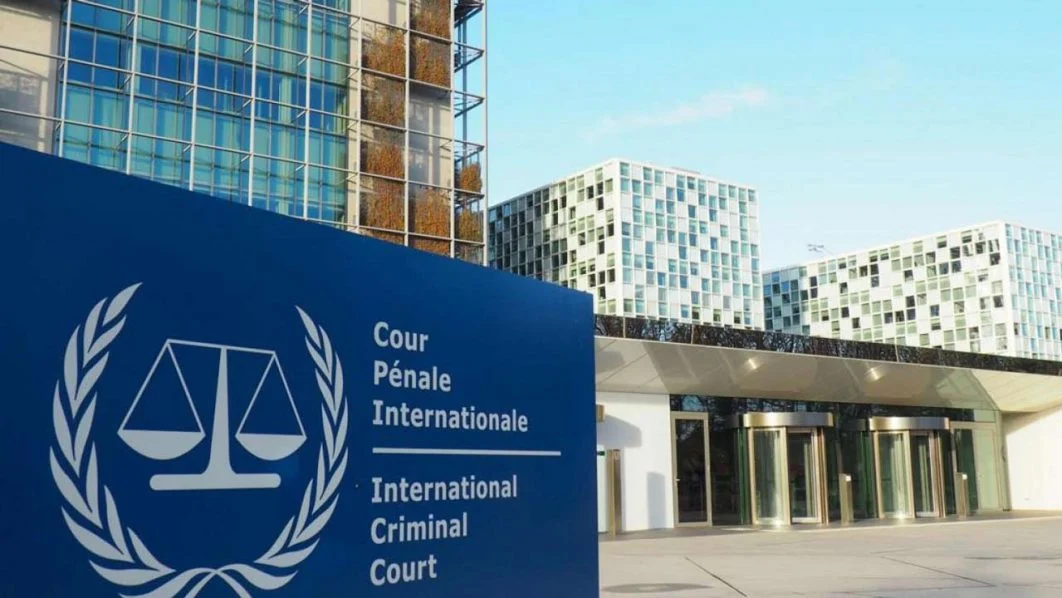
Mali, Burkina Faso, and Niger have jointly declared their exit from the International Criminal Court, announcing that they no longer acknowledge its authority.
The military-led governments accused the court of “arbitrarily prosecuting war crimes” and acting as an “instrument of neo-colonialist repression.” At the same time, they pledged to continue safeguarding human rights “in line with their values.”
The trio had previously advanced a similar argument when pulling out of the Economic Community of West African States.
Human rights organisations and UN investigators have repeatedly alleged that Malian and Burkinabè security forces, together with allied militias, carried out war crimes while fighting Islamist insurgents, atrocities that militant groups themselves are also blamed for. Local officials insist investigations are ongoing, though none have been publicly concluded.
Headquartered in The Hague, the ICC has been mandated since 2002 to try the world’s gravest crimes, including genocide, war crimes, and crimes against humanity.
Every European Union nation is a member, but major powers such as the United States, Israel, and Russia remain outside the treaty.
Despite being rich in natural resources like gold and uranium, mostly exploited by European and North American firms, Mali, Burkina Faso, and Niger rank among the poorest countries globally.
Situated in the Sahel, on the southern edge of the Sahara, they also lie on crucial migration and smuggling routes toward Europe.
Between 2020 and 2023, military juntas toppled elected governments in all three former French colonies, citing their failure, despite Western support, to defeat Islamist insurgencies.
Since then, the regimes have distanced themselves from Western partners and deepened military ties with Russia.