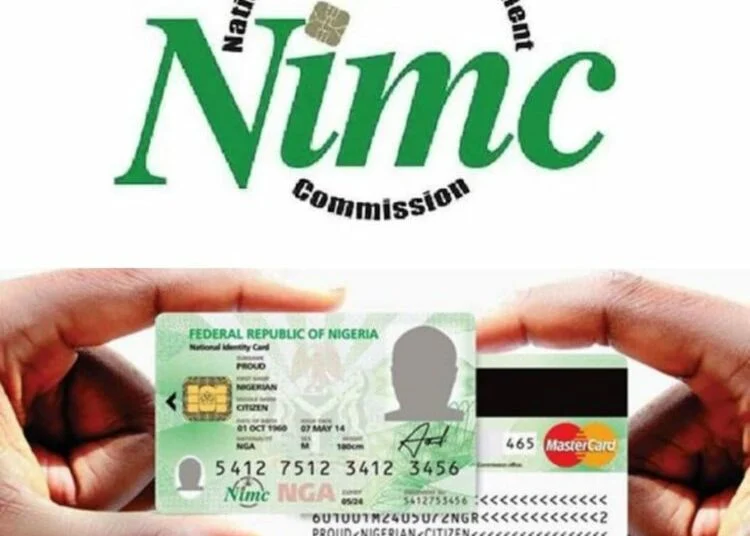
The National Identity Management Commission has cautioned Nigerians against disclosing or selling their National Identification Numbers, amid a disturbing surge in data-related fraud.
The warning came after revelations by the Economic and Financial Crimes Commission that over 2,000 individuals have fallen victim to fraudsters who lure them with between ₦1,500 and ₦2,000 in exchange for their personal data.
These details, the EFCC said, are then sold to financial technology (fintech) companies for as much as ₦5,000.
In a statement issued on Sunday in Abuja, NIMC’s Head of Corporate Communications, Dr. Kayode Adegoke, described the practice as a “serious security threat” and warned of “grave consequences” for individuals who carelessly expose their sensitive information.
“This fraud scheme is largely driven by an army of young Nigerians offering a paltry payment to their victims to obtain their personal data, which is then sold to some fintech institutions,” Adegoke stated.
He emphasized that NIMC will not be liable for any harm suffered by individuals who willingly share their personal information with unauthorized persons or platforms.
“The NIMC wishes to state clearly that it will not be held responsible for any personal information shared by an individual directly or by proxy for the purpose of financial gain or inducement,” he warned.
The Commission stressed that revealing one’s NIN to unverified third parties opens the door to identity theft, unauthorized financial transactions, and other criminal acts.
“We have consistently advised Nigerians never to disclose their NINs to unauthorized individuals or organisations,” Adegoke reiterated. “Citizens must treat their digital identity like they would their ATM PIN or password.”
NIMC also urged service providers to verify NINs before granting access to services, to ensure the protection of users’ identities and to prevent abuse.
To help citizens manage and secure their digital identities, the Commission recommended downloading the NINAuth App, available on both iOS and Android platforms.
Dr. Adegoke concluded by noting that the protection of digital identity is a shared responsibility and called on all Nigerians to remain vigilant.
“It’s not just about registration anymore; it’s about safeguarding your identity and understanding its value in a digital economy,” he said.
The Commission’s renewed warning comes at a time when digital fraud is becoming increasingly sophisticated, and authorities are intensifying efforts to protect national data integrity.